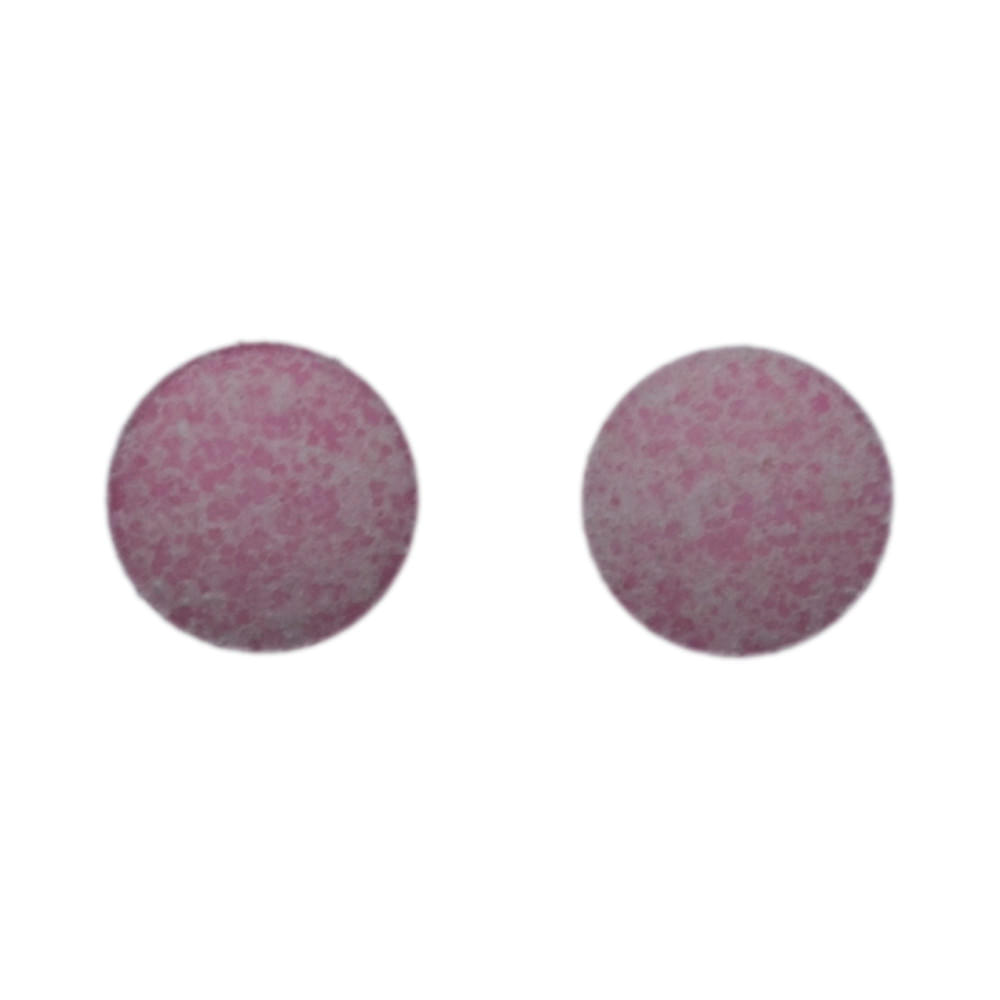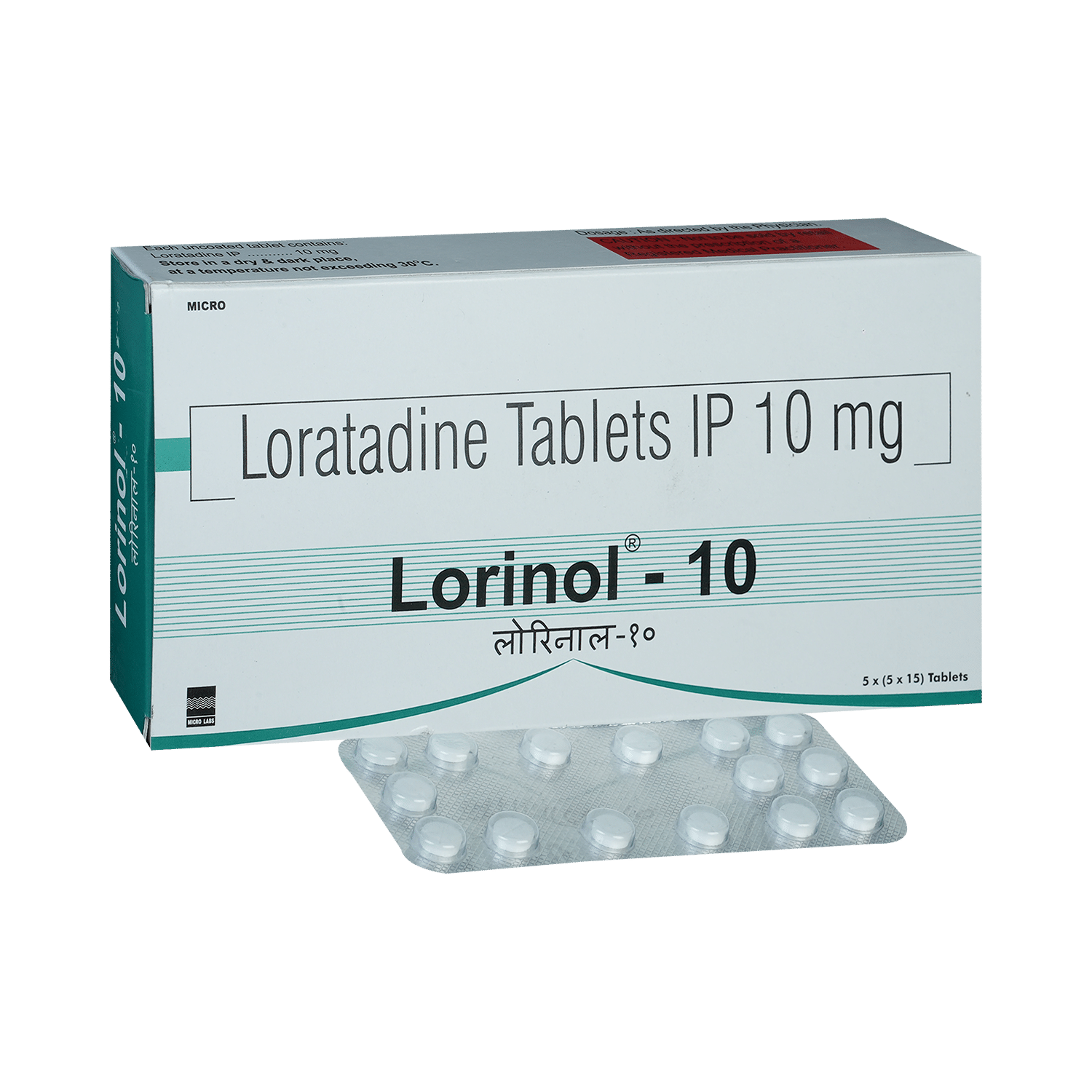
Ratlo 10mg Tablet
strip of 10.0 tablets.Prescription required
About this product:
| Salt Composition: | Loratadine (10mg) |
| Manufacturer: | Sanify Healthcare Pvt Ltd |
| Storage: | Below 25 degree celcius |
Out of Stock
Have doubts about this medicine?
Have doubts about this medicine?
Ratlo 10mg Tablet is an antihistamine used to treat various allergic conditions, relieving symptoms like itching, swelling, and rashes. Ratlo 10mg Tablet should be taken on an empty stomach. The dose may vary depending on what you are taking it for. Take it as it has been prescribed by your doctor. You may need this medicine only on days you have symptoms or you may need to take it every day to prevent symptoms from happening. If you stop taking it earlier than advised, your symptoms may come back. This medicine is generally very safe. As compared to other similar medications, it is much less likely to make you feel sleepy. But it may cause some amount of dizziness, so do not drive or do anything that needs attention. Consult your doctor if it persists or worries you. It may also cause headaches or increase appetite in some cases. Before taking it, you should tell your doctor if you have any problems with your liver or kidneys or with your heart. Pregnant or breastfeeding women should also consult with their doctor before taking it. Avoid drinking alcohol as it can cause excessive drowsiness with this medicine.
Ratlo 10mg Tablet is an antihistaminic medication. It treats allergy symptoms such as itching, swelling, and rashes by blocking the effects of a chemical messenger (histamine) in the body.
Take this medicine in the dose and duration as advised by your doctor. Swallow it as a whole. Do not chew, crush or break it. Ratlo 10mg Tablet is to be taken empty stomach.
- Your doctor has prescribed Ratlo 10mg Tablet to help relieve allergy symptoms such as itching, swelling, and rashes.
- Be cautious while driving or doing anything that requires concentration as it can cause dizziness and sleepiness.
- Do not drink alcohol while taking this medication as it may cause increased sleepiness.
- Stop taking Ratlo 10mg Tablet at least three days before taking an allergy test as it can affect the test results.
- Ratlo 10mg Tablet should not be given to children under 12 years of age.
- Patients with underlying medical conditions like liver, kidney disorders, diabetes, convulsions, etc. should consult their treating doctor before consuming Ratlo 10mg Tablet.
- No common side effects listed

Alcohol
Ratlo 10mg Tablet may cause excessive drowsiness with alcohol.

Breastfeed
Ratlo 10mg Tablet is safe to use during breastfeeding. Human studies suggest that the drug does not pass into the breastmilk in a significant amount and is not harmful to the baby.

Pregnancy
Ratlo 10mg Tablet is generally considered safe to use during pregnancy. Animal studies have shown low or no adverse effects to the developing baby; however, there are limited human studies.