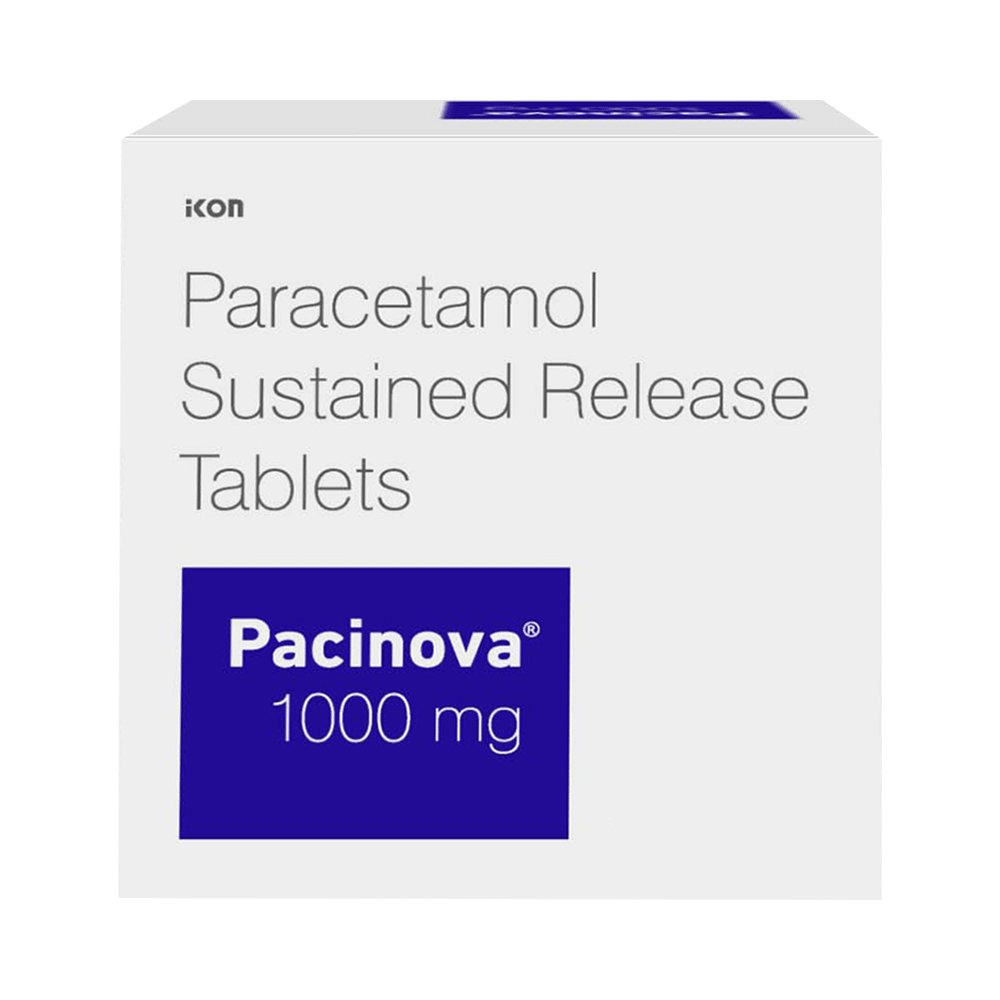
Parago 1000mg Tablet
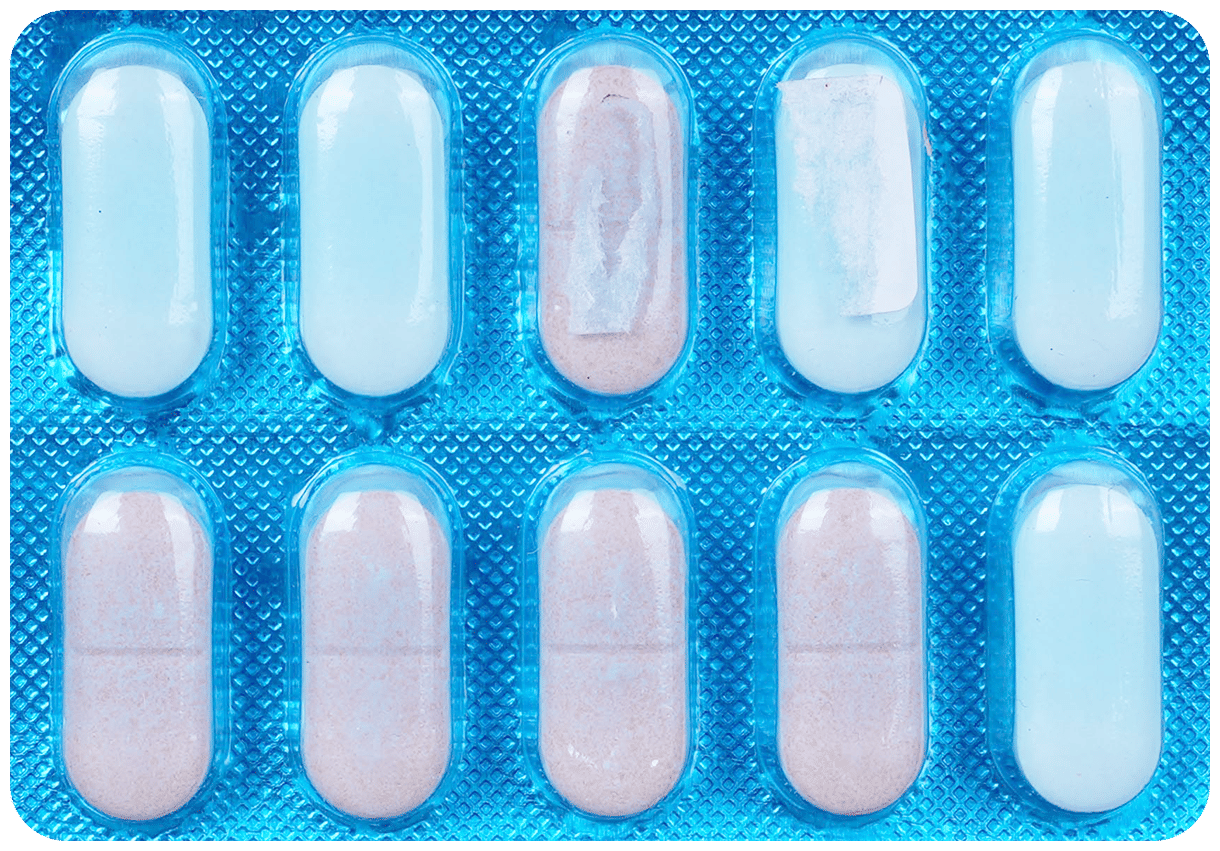
strip of 10.0 tablets
About this product:
| Salt Composition: | Paracetamol (1000mg) |
| Manufacturer: | Assentus Biogenics Pvt Ltd |
| Storage: | Below 25 degree celcius |
Out of Stock
Have doubts about this medicine?
Have doubts about this medicine?
Parago 1000mg Tablet helps relieve pain and fever by blocking the release of certain chemical messengers responsible for fever and pain. Parago 1000mg Tablet is used to treat headaches, migraine, toothaches, sore throats, period (menstrual) pains, arthritis, muscle aches, and the common cold. It is an analgesic (pain reliever) and anti-pyretic (fever reducer).
Parago 1000mg Tablet works by blocking the release of certain chemical messengers that cause pain and fever.
What should I do if I vomit after taking a dose of Parago 1000mg Tablet?
If you vomit within 30 minutes of taking a dose of Parago 1000mg Tablet, take another dose. If you vomit after 30 minutes, you don't need to take another one until your next scheduled dose.
When will I feel better after taking Parago 1000mg Tablet?
Generally, you should start feeling better within about half an hour of taking a Parago 1000mg Tablet.
How often can I take Parago 1000mg Tablet?
You should only take four doses of Parago 1000mg Tablet in 24 hours. There must be at least a 4-hour gap between doses. Do not exceed three days without consulting your doctor first.
Does Parago 1000mg Tablet make babies sleepy?
No, Parago 1000mg Tablet does not cause drowsiness in babies. It is used for pain relief and controlling high fever.
Is Parago 1000mg Tablet safe for children?
Parago 1000mg Tablet is considered safe for children only when used as directed by a doctor.
Is Parago 1000mg Tablet an antibiotic?
No, Parago 1000mg Tablet is not an antibiotic. It works as a pain reliever and fever reducer.
Can I take Parago 1000mg Tablet and ibuprofen together?
Both ibuprofen and Parago 1000mg Tablete are safe medicines when used separately, but they should not be taken together. Consult your doctor before using either medication.
How long does a Parago 1000mg Tablet take to work?
Parago 1000mg Tablet usually starts working within 30-45 minutes, and its effects become noticeable after this time. Follow your doctor's recommended dosage duration.
What are the serious side effects of taking an excess of Parago 1000mg Tablet?
Overdose of Parago 1000mg Tablet can lead to severe liver injury. Taking more than the prescribed dose may also cause kidney damage, a decrease in platelet count, and even coma. Symptoms of overdose include nausea, vomiting, and general tiredness. Seek immediate medical help if you suspect an overdose.
Can Parago 1000mg Tablet cause nausea and vomiting?
Yes, Parago 1000mg Tablete can cause nausea and vomiting. Taking it with milk, food or antacids may prevent this. Avoid fatty or fried foods when taking the medication. In case of vomiting, drink plenty of water or other fluids in small, frequent sips. Consult your doctor if vomiting persists and you notice signs of dehydration like dark-colored and strong-smelling urine or a decreased urination frequency. Do not take any other medicines without discussing them with your doctor.
Is Parago 1000mg Tablet helpful in relieving stomach pain due to indigestion?
No, Parago 1000mg Tablete should not be taken for stomach pain without consulting a doctor. It can increase stomach acid secretion, which could worsen an unknown underlying condition.
Can I take Parago 1000mg Tablet with an antibiotic?
Yes, you can generally take Parago 1000mg Tablete with antibiotics as long as they are taken separately. Antibiotics help to clear infections but don't typically relieve pain. Always consult your doctor before taking any medications.
Take this medicine in the dose and duration as advised by your doctor. Swallow it as a whole. Do not chew, crush or break it. Parago 1000mg Tablet is to be taken with food.
- Take it with food or milk to prevent an upset stomach
- Take it as per the dose and duration prescribed by your doctor
- Do not take indigestion remedies (antacids) within two hours of taking Parago 1000mg Tablet
- Avoid consuming alcohol while taking this medicine
- Inform your doctor if you have liver disease

Alcohol
It is unsafe to consume alcohol with Parago 1000mg Tablet.

Breastfeed
Parago 1000mg Tablet is safe to use during breastfeeding.

Pregnancy
Parago 1000mg Tablet may be unsafe to use during pregnancy. Although there are limited studies in humans, animal studies have shown harmful effects on the developing baby.