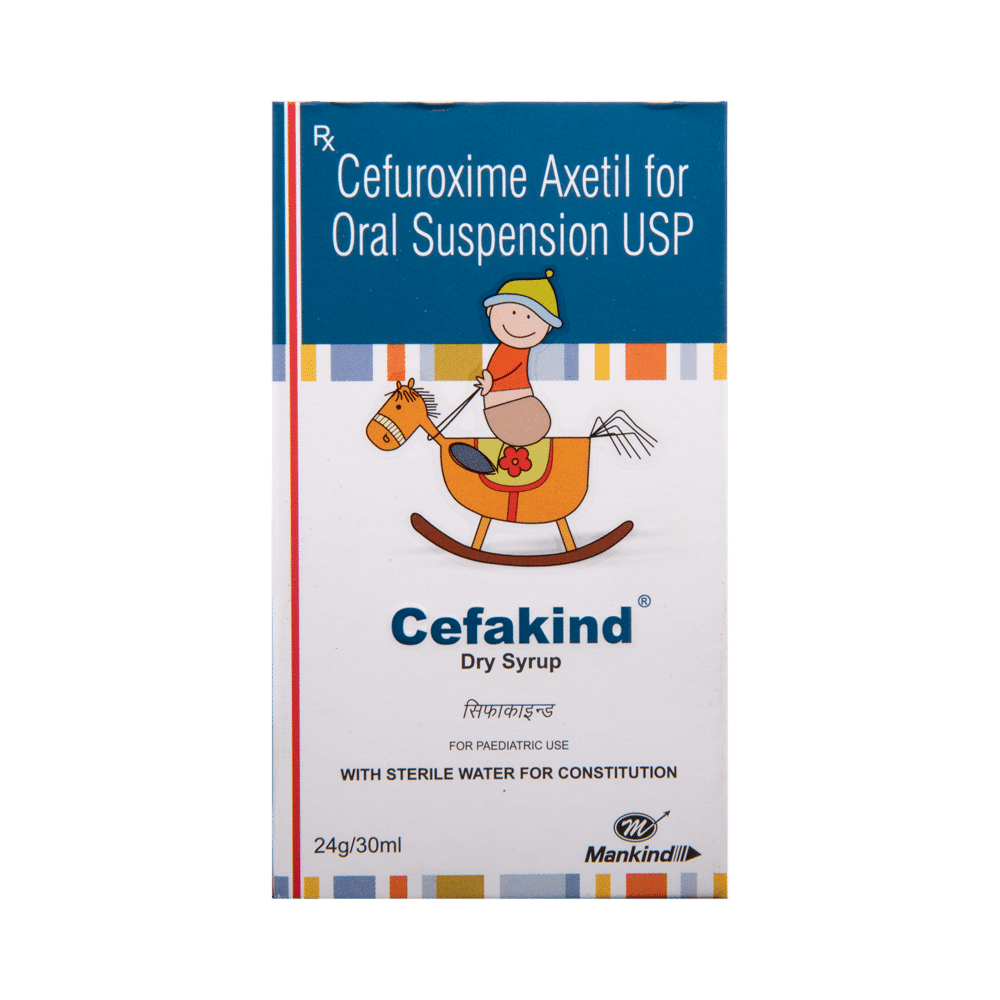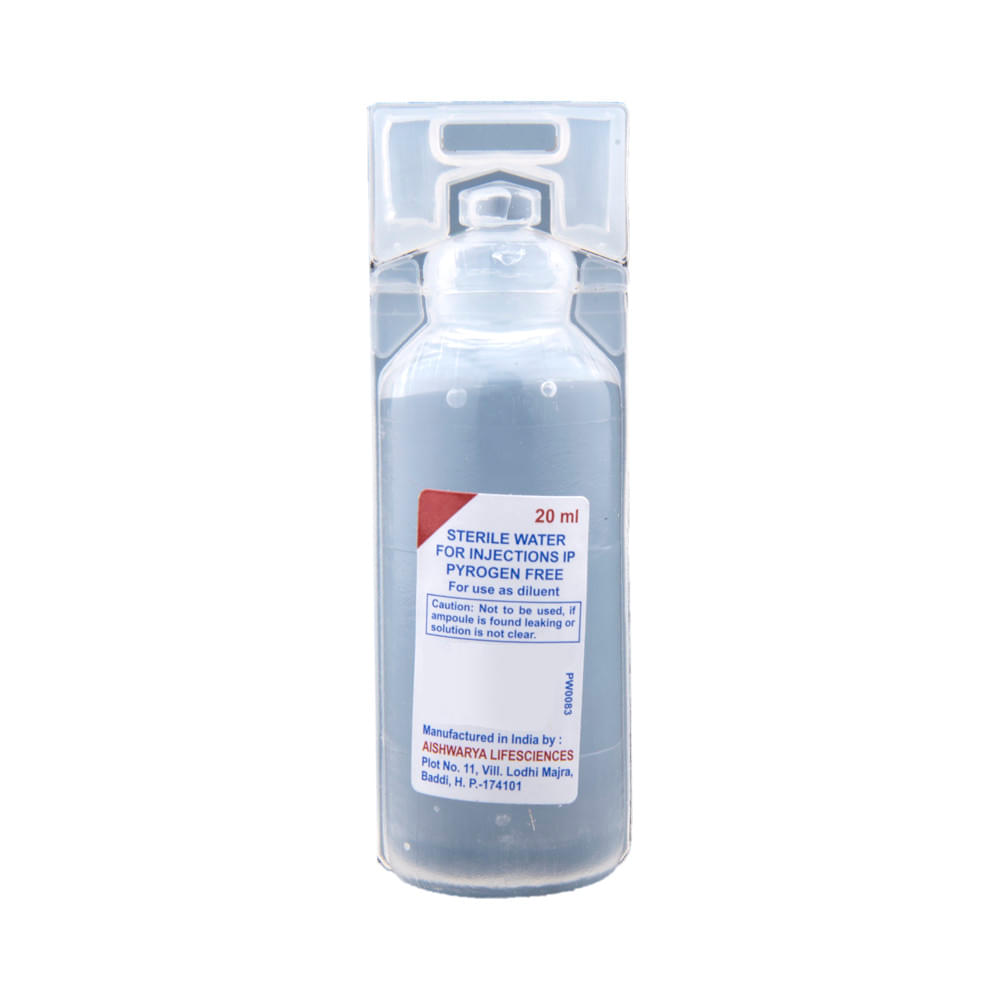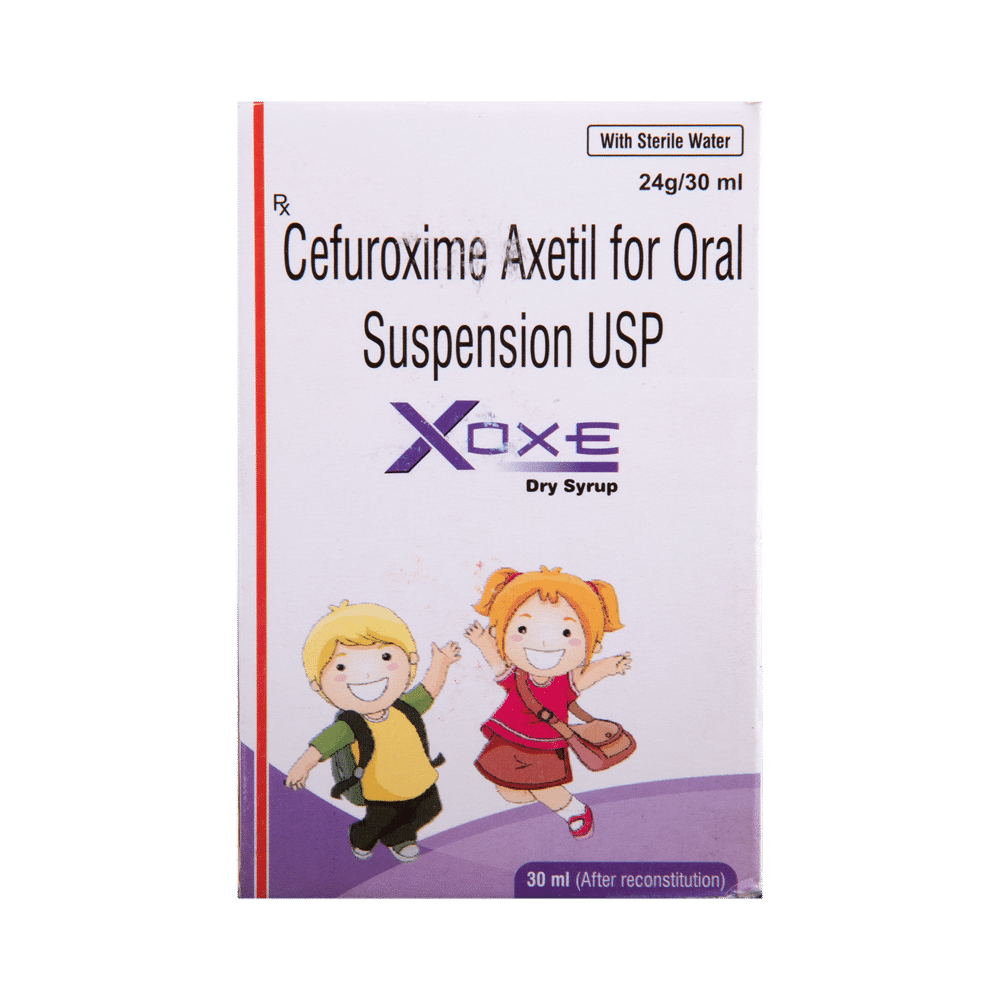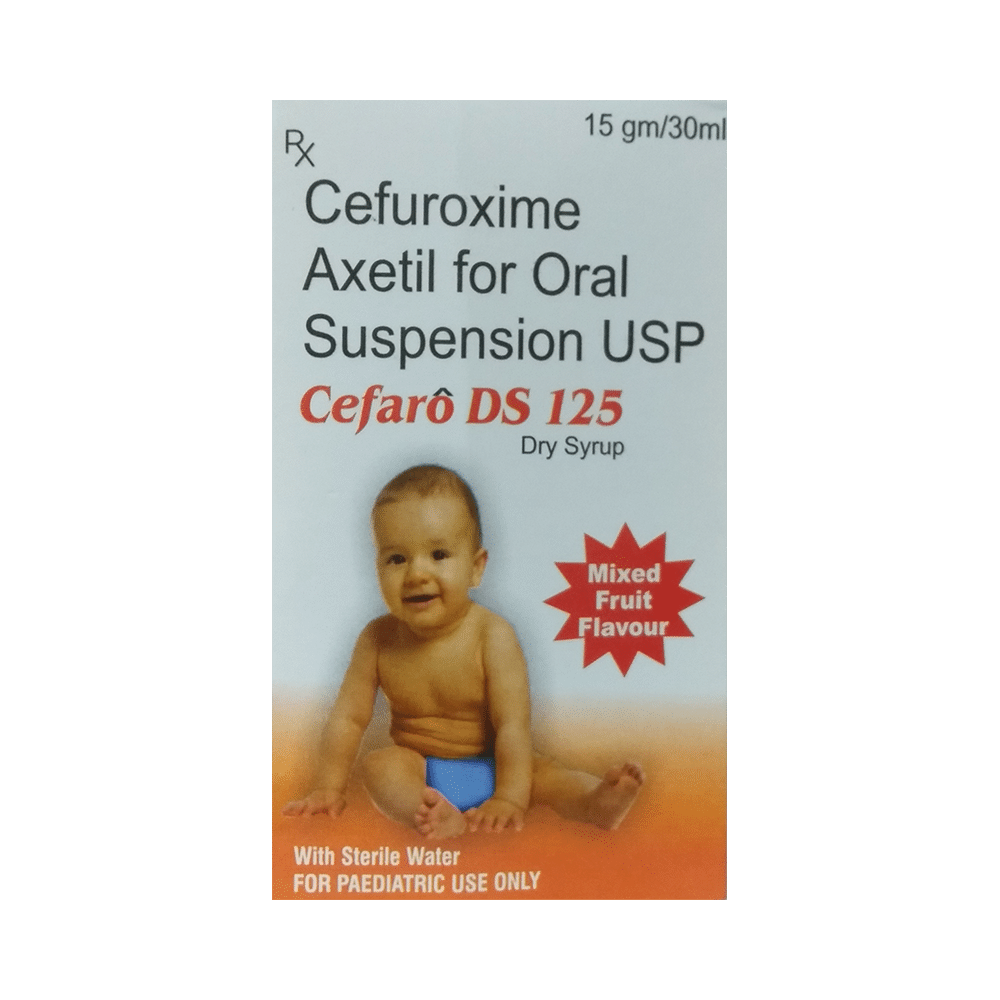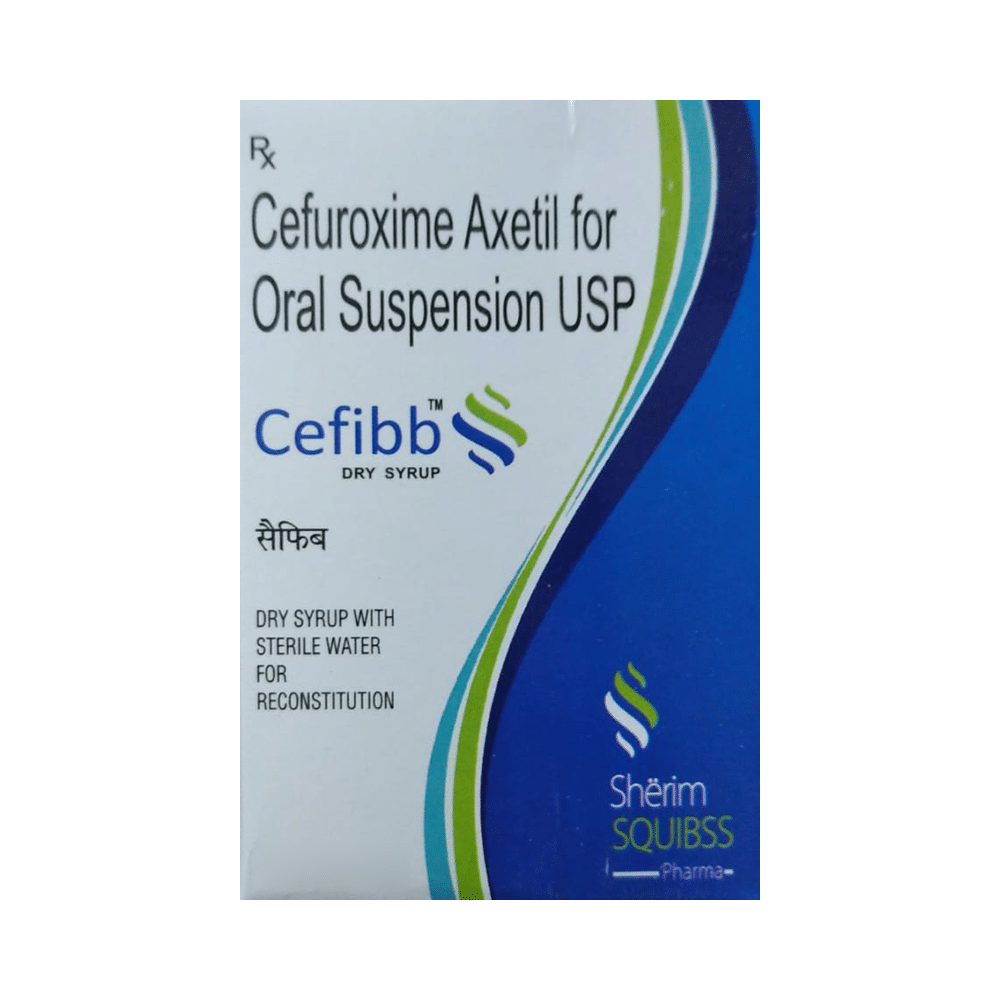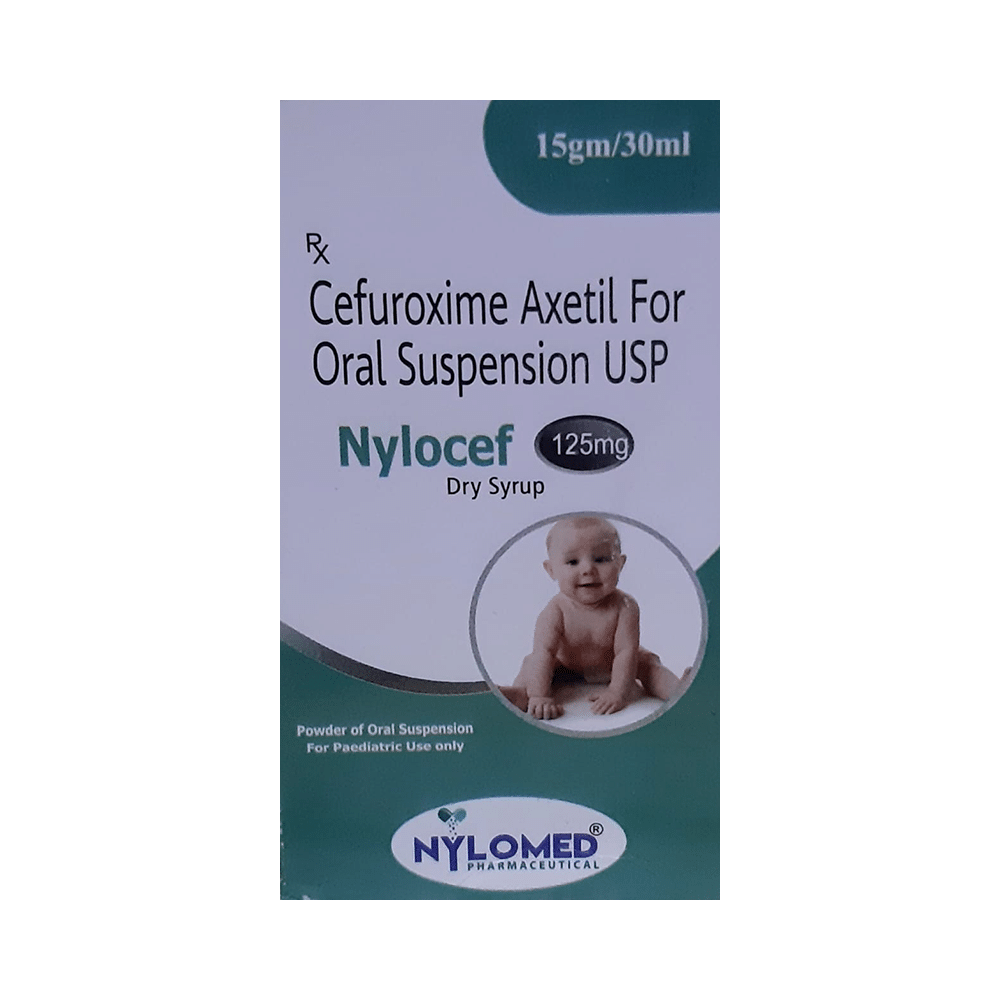
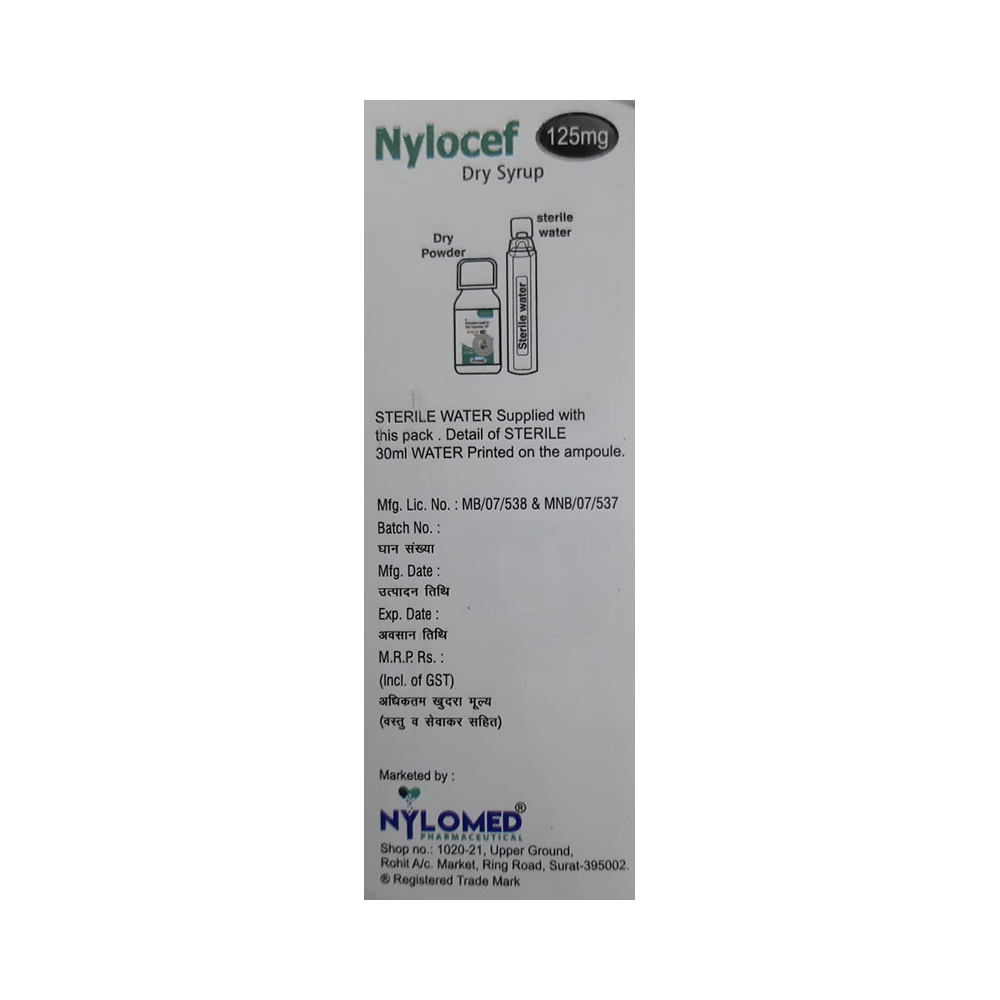
Nylocef 125mg Dry Syrup
bottle of 30.0 ml Oral Suspension.Prescription required
About this product:
| Salt Composition: | Cefuroxime (125mg) |
| Manufacturer: | Nylo Med Pharmaceuticals |
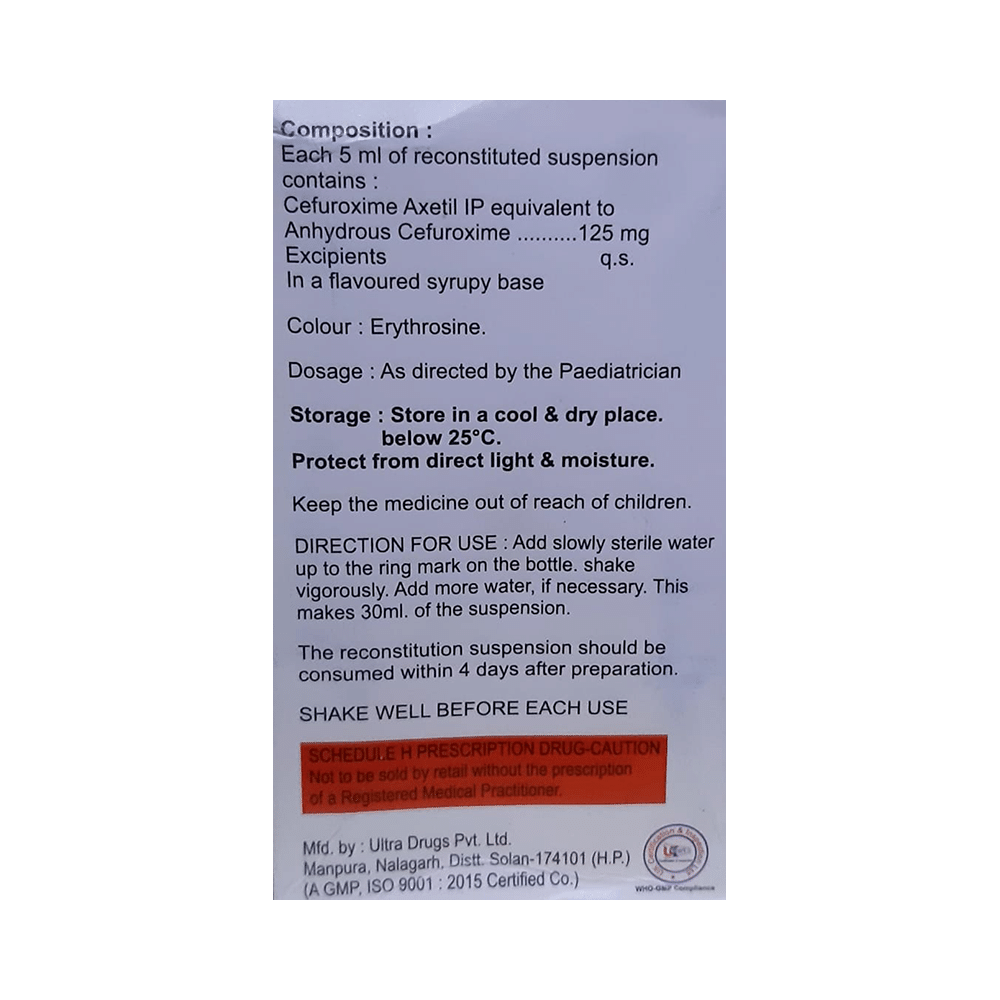
| Storage: | Below 25 degree celcius |
Out of Stock
Have doubts about this medicine?
Have doubts about this medicine?
Nylocef 125mg Dry Syrup is an antibiotic used to treat bacterial infections in children. Nylocef 125mg Dry Syrup is an antibiotic used to treat bacterial infections of the ear, nose, throat, lungs, skin, soft tissues, bones, joints, and urinary tract in children. It is also given to prevent infection in animal and human bite wounds and may also be given before surgical procedures as a preventive therapy.
Nylocef 125mg Dry Syrup is an antibiotic that works by preventing the formation of the bacterial protective covering (cell wall) which is essential for the survival of the bacteria.
Can I give Nylocef 125mg Dry Syrup to my child who has a seizure disorder?
Nylocef 125mg Dry Syrup should be used with caution in children with a history of seizure disorder, as it may cause seizure activity. If seizures occur while taking Nylocef 125mg Dry Syrup, discontinue the medication and consult your child's doctor right away.
What happens if I give my child too much Nylocef 125mg Dry Syrup by mistake?
An extra dose of Nylocef 125mg Dry Syrup is unlikely to cause harm. However, if you think you have given too much medication to your child, consult their doctor immediately.
Are there any serious side effects associated with Nylocef 125mg Dry Syrup?
Some serious side effects of this medicine include persistent vomiting, kidney damage, allergy, diarrhea, and severe gastrointestinal infections. If your child experiences any of these symptoms, seek medical attention promptly.
Can other medicines be given at the same time as Nylocef 125mg Dry Syrup?
Nylocef 125mg Dry Syrup may interact with other medications or substances. Inform your child's doctor about any other medications they are taking before starting Nylocef 125mg Dry Syrup, and check with their doctor before giving any medication to your child.
Can my child get vaccinated while on treatment with Nylocef 125mg Dry Syrup?
Antibiotics usually do not interfere with vaccines or cause a bad reaction in children who have just been vaccinated. However, it is recommended that children taking antibiotics should not get vaccinated until they recover from the illness. Once your child feels better, the vaccine can be given.
Which lab tests may my child undergo while taking Nylocef 125mg Dry Syrup on a long-term basis?
Your child's doctor may prescribe regular kidney function tests and liver function tests to monitor their condition while taking Nylocef 125mg Dry Syrup.
Does a common cold always result in a secondary bacterial infection that requires antibiotics?
In most cases, bacterial infections do not follow viral infections. Using antibiotics to treat viral infections may lead to side effects without benefiting your child's health. Consult with your child's doctor before giving them antibiotics for any infection.
Can Nylocef 125mg Dry Syrup impact my child's digestion?
Antibiotics can affect the good bacteria in the gastrointestinal tract, potentially leading to diarrhea or other infections. If your child experiences diarrhea while taking Nylocef 125mg Dry Syrup, consult their doctor for guidance.
How long does Nylocef 125mg Dry Syrup take to work?
The time it takes for Nylocef 125mg Dry Syrup to work depends on the type of infection and your child's response to the medication. Symptoms may start to decrease in 48 to 72 hours after starting treatment.
How long should you take Nylocef 125mg Dry Syrup?
The duration of therapy with Nylocef 125mg Dry Syrup depends on the type of infection and your child's response to the medication. It is usually given for 7 days, but can range from 5 to 10 days.
Can Nylocef 125mg Dry Syrup be taken on an empty stomach?
No, Nylocef 125mg Dry Syrup should not be taken on an empty stomach. It should be taken twice daily after a meal to enhance absorption and effectiveness.
Can Nylocef 125mg Dry Syrup treat UTI?
Yes, Nylocef 125mg Dry Syrup can be used to treat uncomplicated urinary tract infections (UTIs) for 7 to 10 days. However, self-medication is not advised, and the medication should be prescribed by a doctor.
Complete the entire course of antibiotics. Stopping too soon may cause the bacteria to multiply again or cause another infection.
- Encourage your child to drink plenty of water in case diarrhea develops as a side effect.
- Your child must complete the entire course of antibiotics.
- Stopping too soon may cause the bacteria to multiply again or cause another infection.
- Conditions like common cold and flu are caused by viruses. This medicine is not to be taken in such cases.
- Only give Nylocef 125mg Dry Syrup to your child for their current infection.
- Never save medicine for future illnesses.
- Discontinue giving Nylocef 125mg Dry Syrup and consult the doctor immediately in case your child develops an itchy rash, facial swelling, or breathing difficulties while taking this medicine.