Momactin 0.1% Cream
tube of 5.0 gm Cream.Prescription required
About this product:
| Salt Composition: | Mometasone (0.1%) |
| Manufacturer: | TTK Healthcare Ltd |
| Storage: | Below 25 degree celcius |
Out of Stock
Have doubts about this medicine?
Have doubts about this medicine?
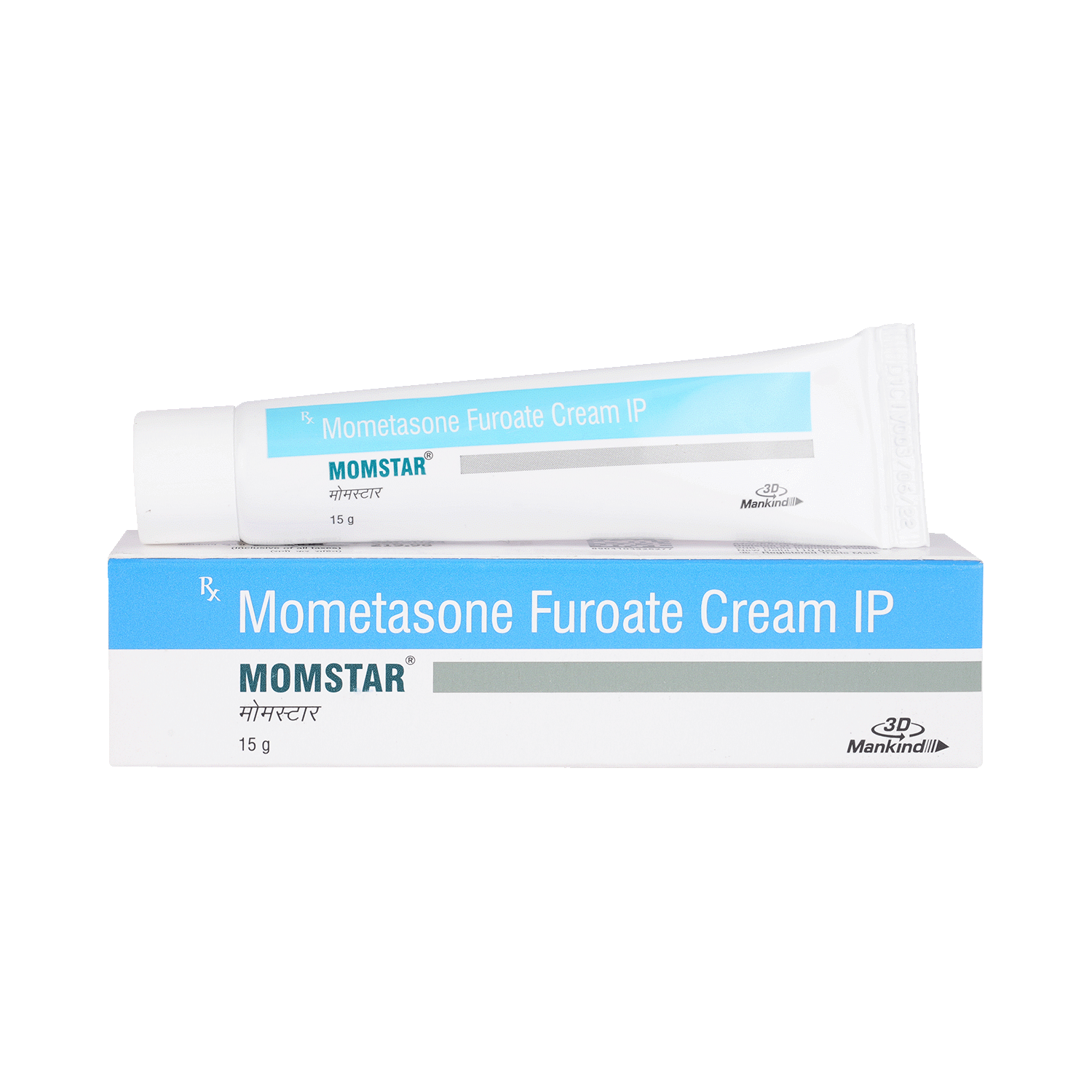
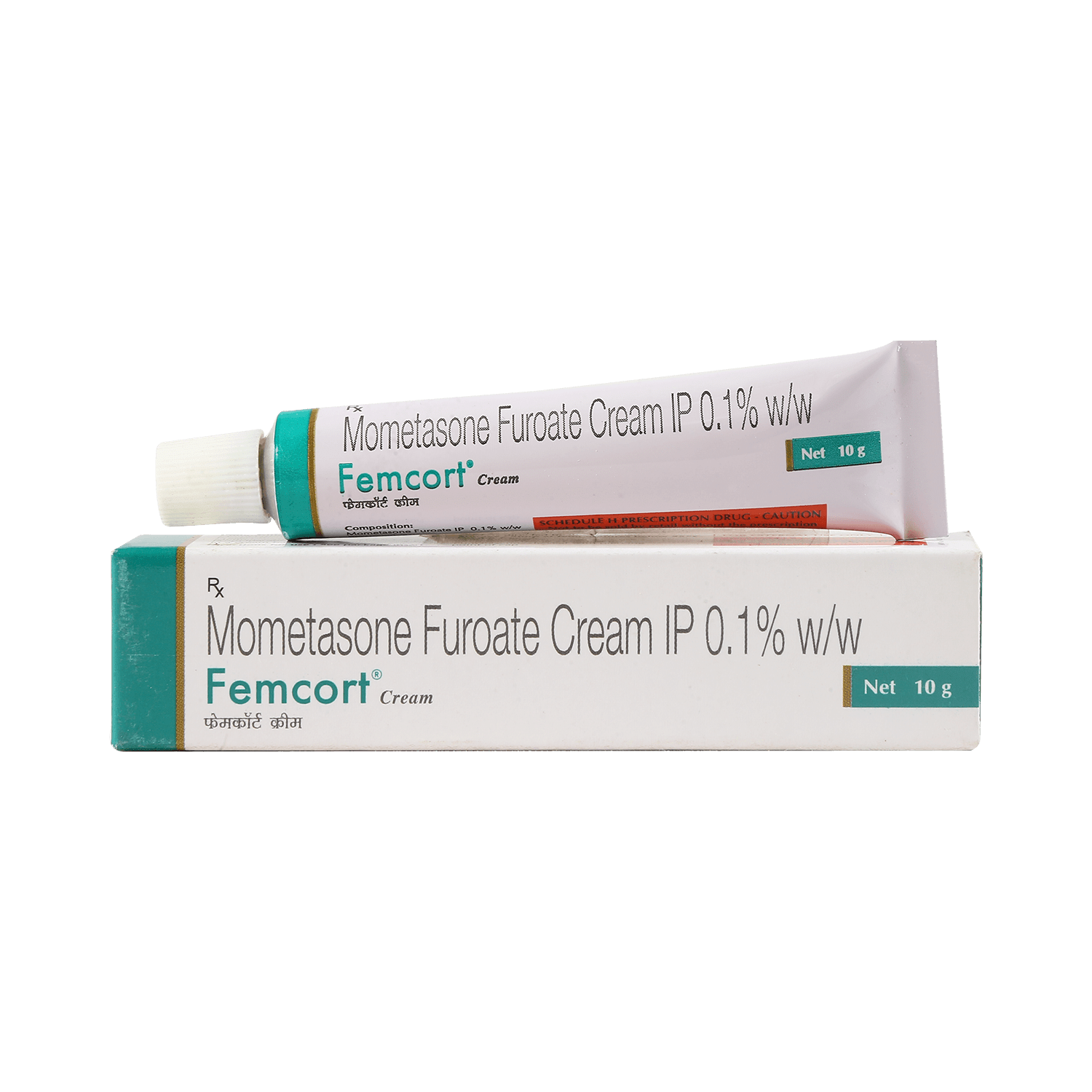
Momactin 0.1% Cream is a steroid used to treat certain skin conditions such as eczema, psoriasis, dermatitis, and rash, reducing symptoms like swelling, itching, and redness. You should always use Momactin 0.1% Cream exactly as your doctor has told you. Do not use the cream or ointment for more than the recommended duration. Spread it as a thin layer onto the skin. Do not cover the area being treated with a bandage or plaster unless your doctor tells you to. You should use this medicine regularly but do not apply large amounts or use it for longer than prescribed. Tell your doctor if your condition does not improve after 2 weeks of treatment. Momactin 0.1% Cream has a few potential side effects but not everyone will get them. These include inflammation and infection of hair follicle and burning, stinging, and itching sensation at the time of application. Let your doctor know in case you're worried or bothered by these side effects. Let your doctor know about any medical issues you have such as thinning of the skin, any skin infection, broken or ulcerated skin, diabetes, and immune system problems. Also, inform the doctor about other medicines you are taking (particularly steroids). Pregnant or breastfeeding women should consult their doctor before using this medicine.
Momactin 0.1% Cream is a steroid. It works by blocking the production of certain chemical messengers (prostaglandins) that make the skin red, swollen, and itchy.
What type of medication is Momactin 0.1% Cream?
Momactin 0.1% Cream is a corticosteroid, which is used to reduce inflammation (redness, swelling) in various conditions.
Can I extend the treatment with Momactin 0.1% Cream if it's effective for my child?
You should use Momactin 0.1% Cream as advised by your doctor, especially in children. Using more than the recommended dose or extending the duration may cause hormonal imbalance in your child, leading to puffiness, rounding of face, and delay in growth and development. Consult the doctor before trying any dose adjustments.
What is Momactin 0.1% Cream used for?
Momactin 0.1% Cream is a steroid medicine that relieves inflammatory and itchy skin diseases, reducing redness, scaling, and swelling associated with these conditions.
How do I use Momactin 0.1% Cream?
Momactin 0.1% Cream should be gently rubbed into the affected skin twice daily for a maximum of about 2 weeks. If you don't find any considerable improvement within 2 weeks, consult your doctor for reevaluation.
Can I use Momactin 0.1% Cream on broken skin?
No, Momactin 0.1% Cream should not be applied on broken skin. It's a steroid medicine that suppresses the immune system and may cause varied side effects, including delayed healing and skin atrophy.
Does Momactin 0.1% Cream cause local irritation or skin reactions?
Yes, Momactin 0.1% Cream may cause local skin reactions like burning, itching, irritation, dryness, and hypopigmentation in sensitive individuals. Inform your doctor if you have any history of allergy or reaction before starting therapy with this medicine.
What precautions should I take while using Momactin 0.1% Cream?
Momactin 0.1% Cream should not be used on the face, and it's essential to use the medication only as advised by your doctor. Do not apply a bandage or dressing to the area being treated, as this will increase absorption of the preparation and increase the risk of side-effects.
This medicine is for external use only. Use it in the dose and duration as advised by your doctor. Check the label for directions before use. Clean and dry the affected area and apply the cream. Wash your hands after applying unless hands are the affected area.
- Do not use it more often or for longer than advised by your doctor.
- Do not cover the area being treated with airtight dressings such as bandages unless directed by a doctor as this may increase the risk of side effects.
- If you think the area of skin you are treating has become infected, you should stop using Momactin 0.1% Cream and consult your doctor.
- Consult your doctor if your skin condition has not improved after 2 weeks of treatment.
- Inflammation and infection of hair follicle
- burning, stinging, and itching sensation at the time of application

Breastfeed
Momactin 0.1% Cream is probably safe to use during breastfeeding. Limited human data suggests that the drug does not represent any significant risk to the baby.

Pregnancy
Momactin 0.1% Cream may be unsafe to use during pregnancy. Although there are limited studies in humans, animal studies have shown harmful effects on the developing baby. Your doctor will weigh the benefits and any potential risks before prescribing it to you. Please consult your doctor.