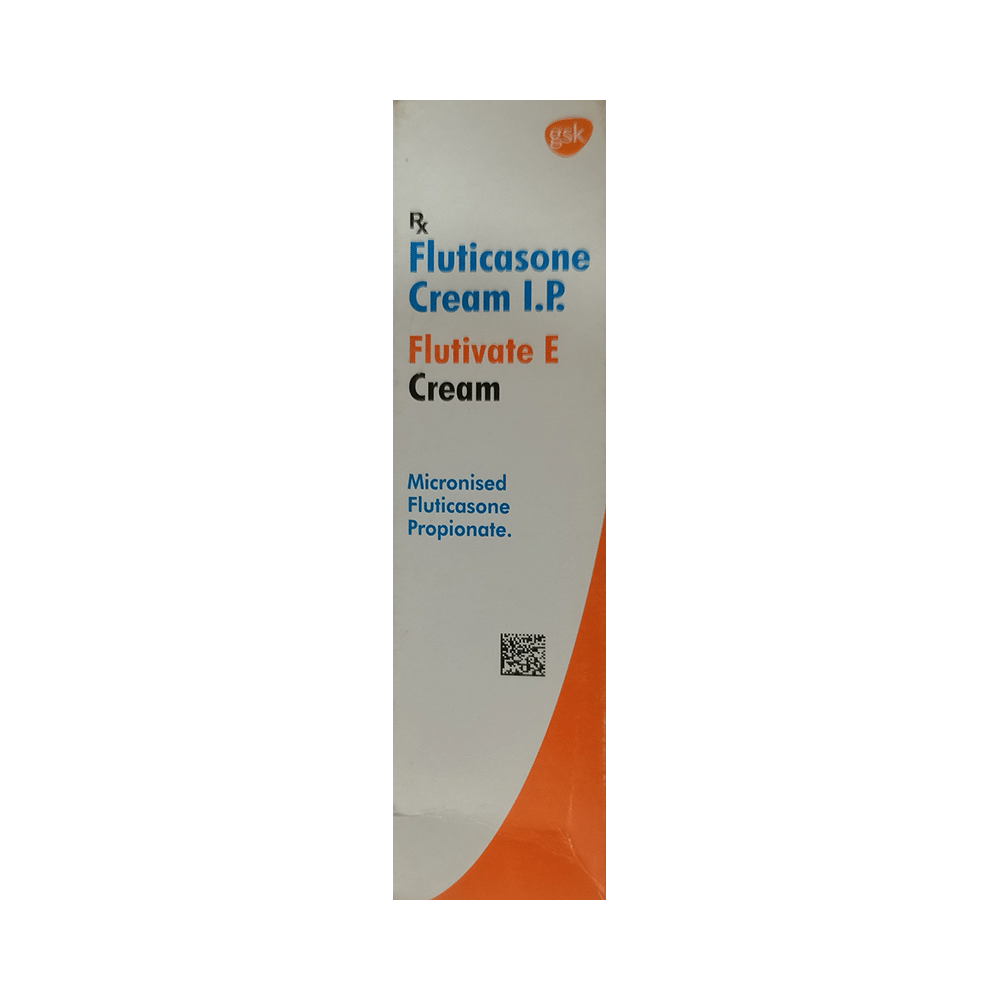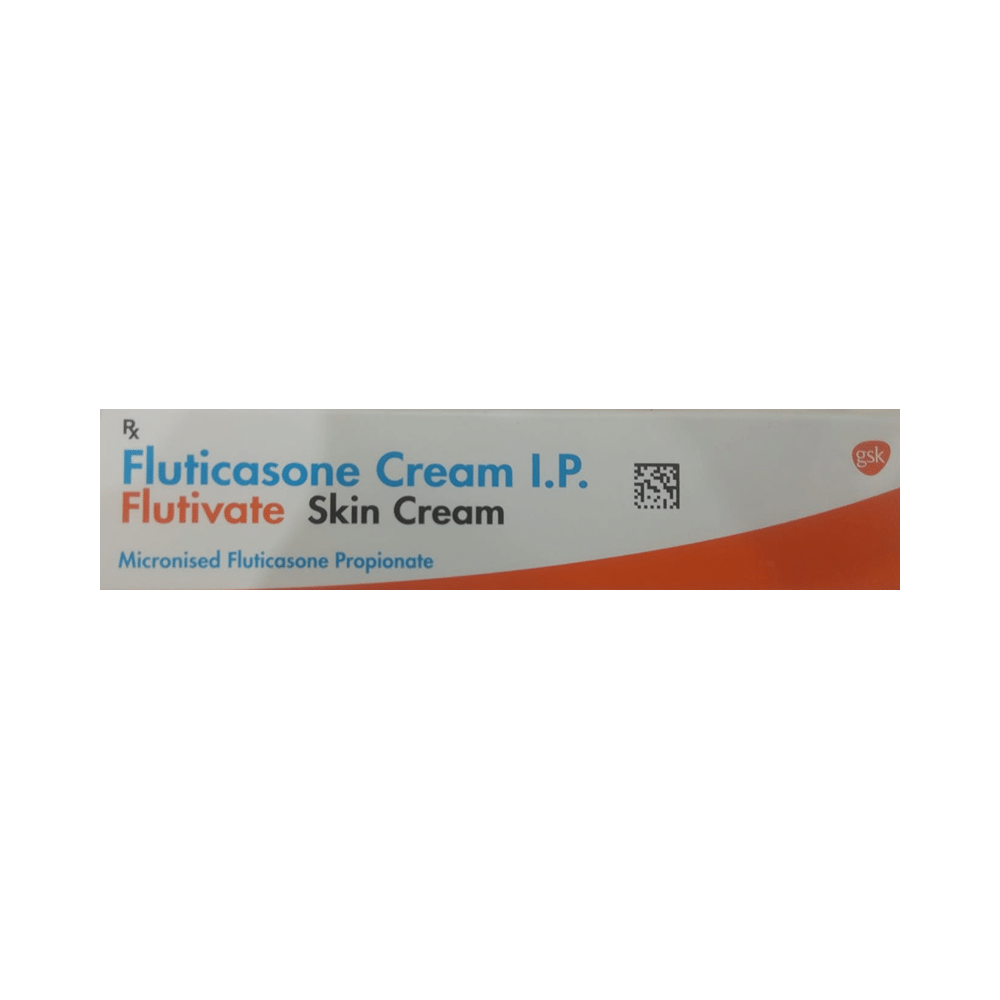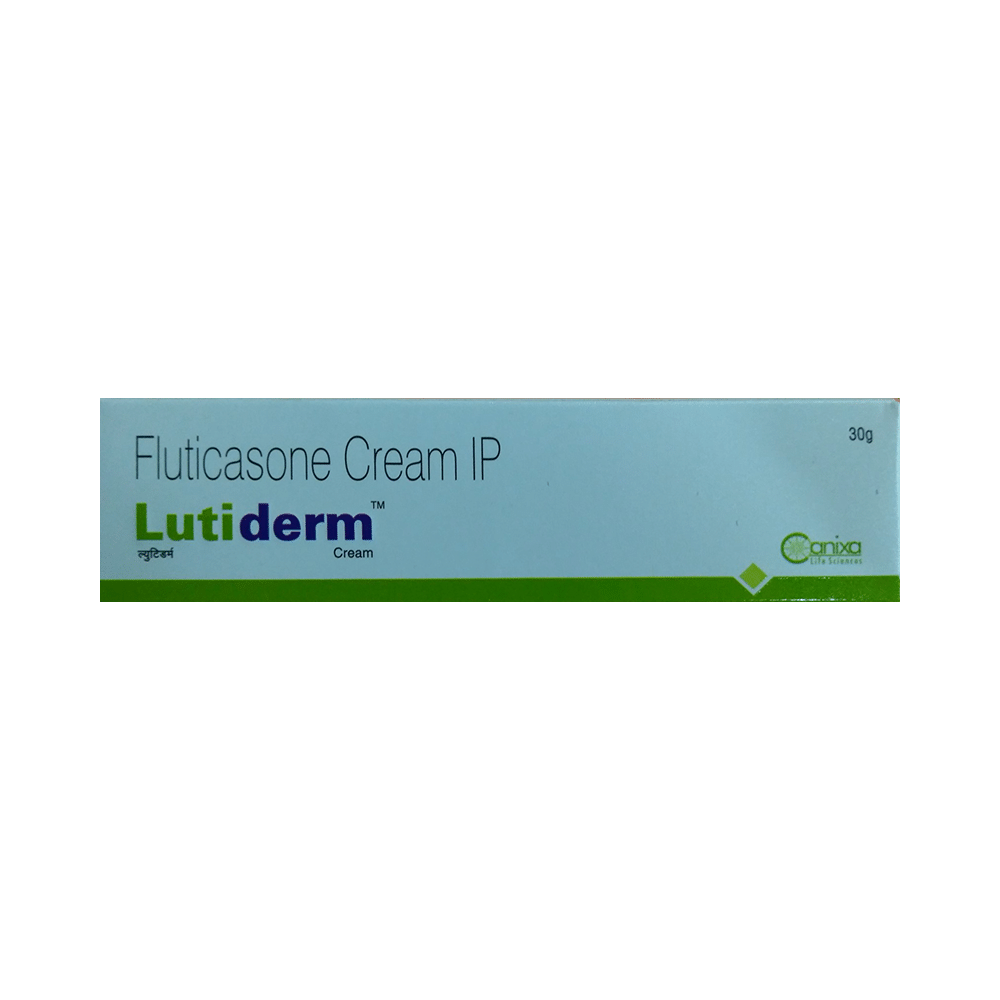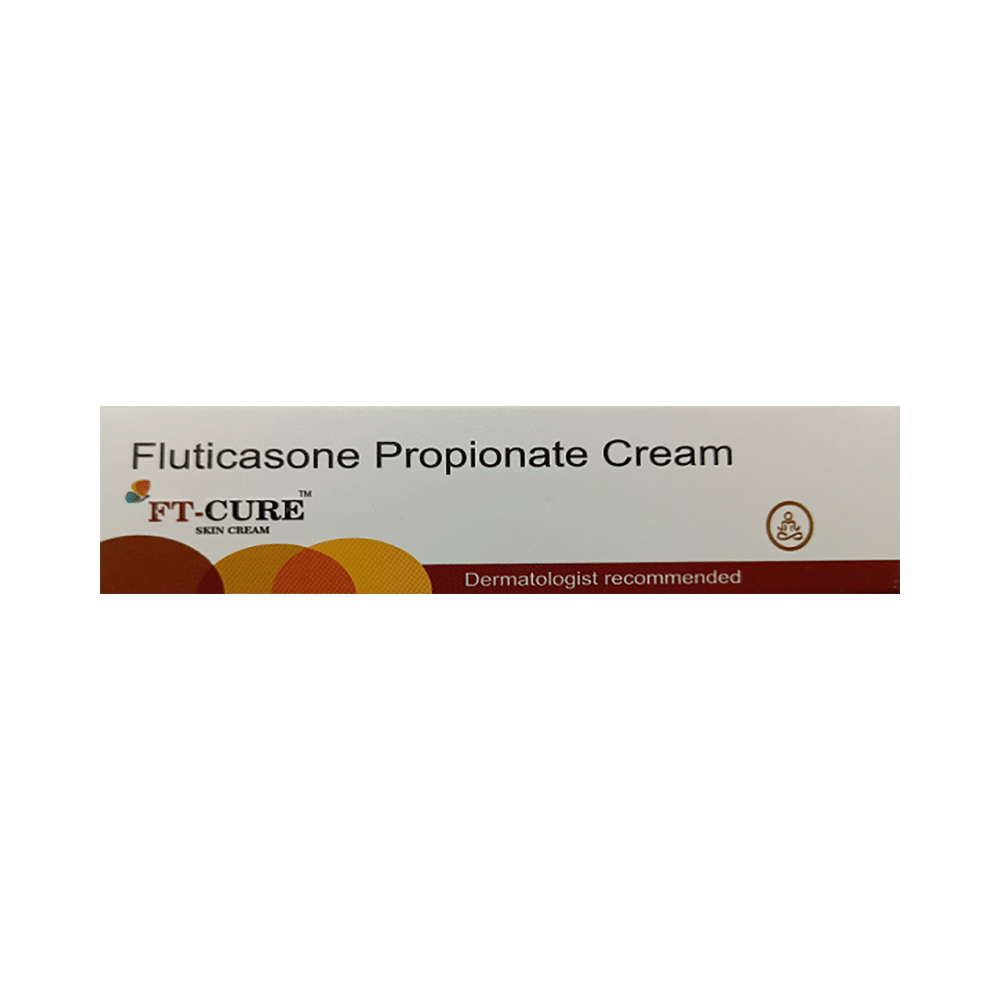
Moliderm Cream
tube of 10.0 gm Cream.Prescription required
About this product:
| Salt Composition: | Fluticasone Propionate (0.05% w/w) |
| Manufacturer: | Glaxo SmithKline Pharmaceuticals Ltd |
| Storage: | Below 25 degree celcius |
Out of Stock
Have doubts about this medicine?
Have doubts about this medicine?
Moliderm Cream is a steroid medicine used to treat skin conditions with inflammation and itching such as eczema, dermatitis, and psoriasis. Moliderm Cream is only meant for external use and should be used as advised by your doctor. You should normally wash and dry the affected area before applying a thin layer of the medicine. Avoid any contact with your eyes, nose, or mouth. Rinse it off with plenty of water in case of accidental contact. Avoid covering the treated area with airtight dressings such as bandages unless directed by a doctor. Using of the medicine may cause itching or burning sensation, irritation, redness, and swelling at the site of application. These side effects are temporary and usually go away with time. However, if they persist or worsen, let your doctor know. Pregnant and breastfeeding mothers should consult their doctors before using this medicine. It should not be used in children below 3 months of age.
Moliderm Cream is a steroid medicine. It works by blocking the production of certain chemical messengers that make the skin red, swollen, and itchy due to skin conditions such as atopic eczema, allergic contact dermatitis, and psoriasis.
What is Moliderm Cream used for?
Moliderm Cream is a corticosteroid cream used to treat various allergic skin conditions such as eczema, atopic dermatitis, and other inflammatory skin reactions. It helps reduce symptoms like swelling, itching, and redness associated with these conditions.
How does Moliderm Cream work?
Moliderm Cream works by reducing inflammation caused by allergies. It blocks the release of natural substances that cause allergic symptoms such as swelling, redness, and pain.
What can I expect in terms of relief time when using Moliderm Cream?
The time it takes for Moliderm Cream to start working may vary from person to person. Typically, you can see relief within 8 hours of application, but maximum benefits may take several days. To improve symptoms faster, apply the cream regularly as directed by your doctor.
Is Moliderm Cream suitable for burns?
No, Moliderm Cream should not be applied to areas with burns, cuts, or scrapes. If it accidentally gets on such areas, rinse thoroughly with water. Use this medicine only as directed by your doctor to avoid adverse effects and worsening of your condition.
How do I use Moliderm Cream correctly?
Before using Moliderm Cream, clean and dry the affected area. Gently massage a thin layer into the skin. Avoid getting the medication in your eyes or mouth. If it accidentally gets in your eyes, rinse with plenty of water and consult your doctor if irritation persists.
What precautions should I take while using Moliderm Cream?
Be cautious not to get Moliderm Cream in your eyes or mouth. If accidental exposure occurs, rinse immediately and consult your doctor. Do not use this cream if you're allergic to it or any of its ingredients. Inform your doctor about any regular medications you're taking to prevent potential allergic reactions. Avoid covering the treated area with a bandage, as this may increase absorption and side effects. Only use the recommended amount to avoid excessive side effects. Inform your doctor if you're planning to conceive, pregnant, or breastfeeding.
This medicine is for external use only. Use it in the dose and duration as advised by your doctor. Check the label for directions before use. Clean and dry the affected area and apply the cream. Wash your hands after applying unless hands are the affected area.
- You have been prescribed Moliderm Cream for treating itchy red rashes and skin irritation associated with skin conditions such as atopic eczema, allergic contact dermatitis, and psoriasis among others.
- Don't use it more often or for longer than advised by your doctor.
- Don't apply it to broken or infected areas of skin, face, eyes, or eyelids.
- Don't cover the area being treated with airtight dressings such as bandages unless directed by a doctor as this may increase the risk of side effects.
- If you think the area of skin you are treating has become infected, you should stop using Moliderm Cream and consult your doctor.

Alcohol
No interaction found/established

Breastfeed
Moliderm Cream is probably safe to use during breastfeeding. Limited human data suggests that the drug does not represent any significant risk to the baby. However, avoid applying Moliderm Cream on the breasts to avoid accidental ingestion by the infant.

Pregnancy
Moliderm Cream may be unsafe to use during pregnancy. Although there are limited studies in humans, animal studies have shown harmful effects on the developing baby. Your doctor will weigh the benefits and any potential risks before prescribing it to you. Please consult your doctor.