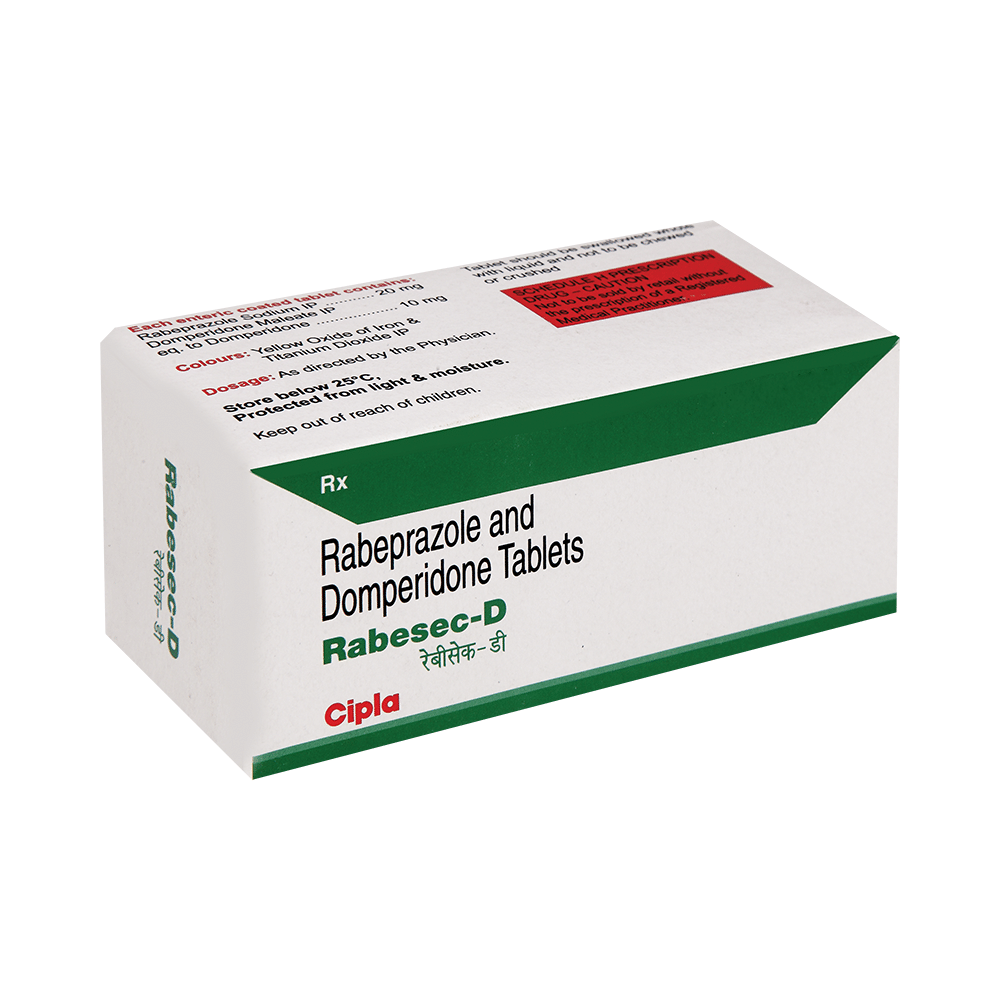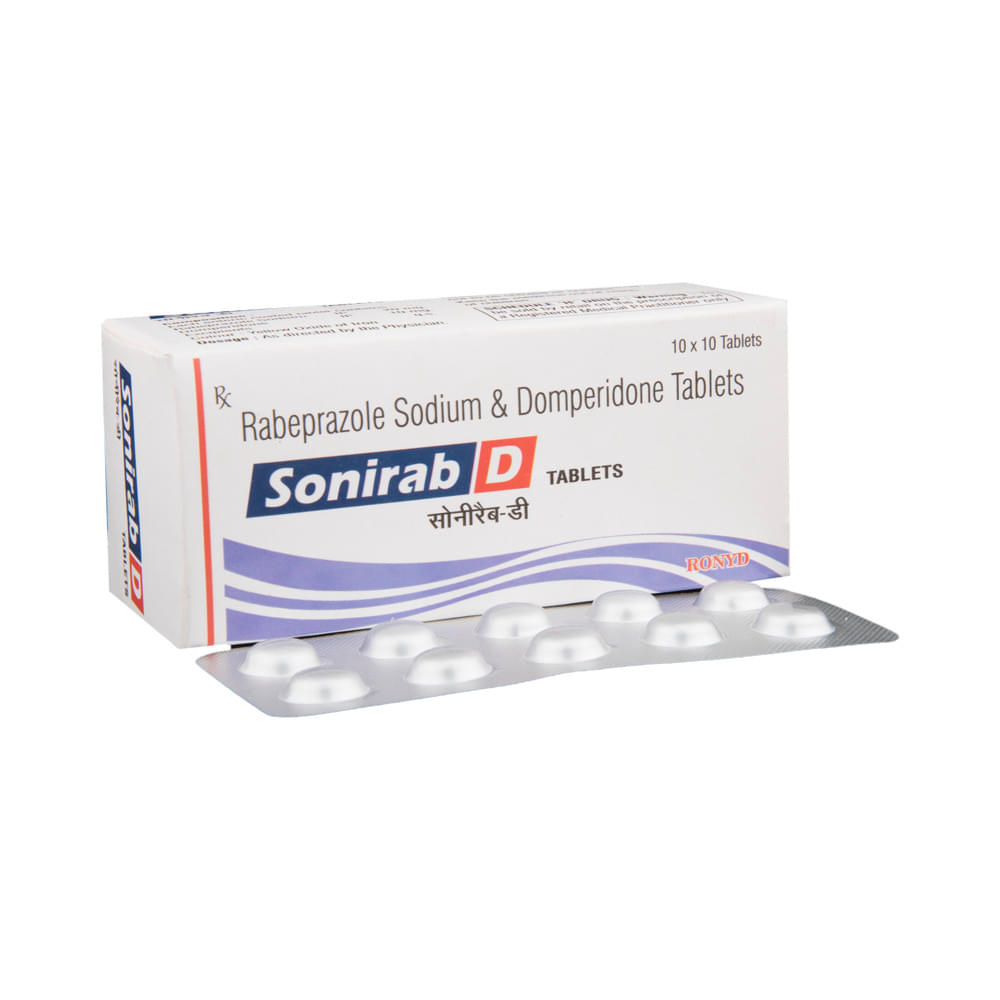
Koserab D 10mg/20mg Tablet
strip of 10.0 tablets.Prescription required
About this product:
| Salt Composition: | Domperidone (10mg) + Rabeprazole (20mg) |
| Manufacturer: | Kosmed Formulations |
| Storage: | Below 25 degree celcius |
Out of Stock
Have doubts about this medicine?
Have doubts about this medicine?
Koserab D 10mg/20mg Tablet is a combination medicine used to treat gastroesophageal reflux disease (Acid reflux). It works by relieving the symptoms of acidity such as heartburn, stomach pain, or irritation. Koserab D 10mg/20mg Tablet is a combination medicine used to treat gastroesophageal reflux disease (Acid reflux). It works by relieving the symptoms of acidity such as heartburn, stomach pain, or irritation. It also neutralizes the acid and promotes easy passage of gas to reduce stomach discomfort.
Koserab D 10mg/20mg Tablet is a combination of two medicines: Domperidone and Rabeprazole. Domperidone is a prokinetic which works on the upper digestive tract to increase the movement of the stomach and intestines allowing the food to move more easily through the stomach. Rabeprazole is a proton pump inhibitor (PPI) which works by reducing the amount of acid in the stomach which helps in the relief of acid-related indigestion and heartburn.
What is Koserab D 10mg/20mg Tablet?
Koserab D 10mg/20mg Tablet contains two medicines: Domperidone and Rabeprazole. This combination is used to treat heartburn, acid reflux (GERD), and other conditions caused by excess stomach acid such as gastric ulcers and duodenal ulcers. Domperidone helps control nausea by increasing gut movement, allowing food to pass more smoothly through the stomach.
What are the contraindications of Koserab D 10mg/20mg Tablet?
It is important to note that using Koserab D 10mg/20mg Tablet may be harmful for patients with known hypersensitivity to rabeprazole or domperidone, or any other inactive ingredients in the medication. Caution should be exercised in individuals with pre-existing kidney or liver disease.
Can the use of Koserab D 10mg/20mg Tablet cause dry mouth?
Yes, Koserab D 10mg/20mg Tablet can cause dryness in the mouth. This is due to Domperidone's effect on salivary glands. To manage this side effect, drink plenty of water throughout the day and keep some water nearby for when needed. Avoid alcohol consumption, smoking, and consider using alcohol-free mouthwash.
Can the use of Koserab D 10mg/20mg Tablet cause diarrhea?
Yes, it can. When experiencing diarrhea, ensure you stay hydrated by drinking plenty of fluids and avoiding fatty or fried foods. If this continues, contact your doctor.
Is Koserab D 10mg/20mg Tablet safe for most people?
Yes, Koserab D 10mg/20mg Tablet is generally considered safe for most individuals. However, it is possible to experience common side effects like diarrhea, stomach pain, flatulence, dryness in the mouth, dizziness, and headaches. If you face any persistent issues while taking this medication, consult your doctor.
What time should I take Koserab D 10mg/20mg Tablet?
It is best to take Koserab D 10mg/20mg Tablet before the first meal of the day or on an empty stomach for optimal results.
Can Koserab D 10mg/20mg Tablet cause irregular heartbeat?
Yes, this medication can increase the risk of developing irregular heartbeats (arrhythmias) in some individuals. While the likelihood is low, it's important to be aware and inform your doctor if you experience any unusual heart rhythms.
How should I store Koserab D 10mg/20mg Tablet?
Store Koserab D 10mg/20mg Tablet in the original container, tightly sealed. Always adhere to the instructions and guidelines provided on the packaging.
Take this medicine in the dose and duration as advised by your doctor. Swallow it as a whole. Do not chew, crush or break it. Koserab D 10mg/20mg Tablet is to be taken empty stomach.
- You have been prescribed Koserab D 10mg/20mg Tablet for the treatment of acidity and heartburn.
- Take it one hour before the meal, preferably in the morning.
- Inform your doctor if you get watery diarrhea, fever or stomach pain that does not go away.
- Inform your doctor if you do not feel better after taking it for 14 days as you may be suffering from some other problem that needs attention.
- Long-term use can cause weak bones and deficiency of minerals such as magnesium. Take adequate dietary intake of calcium and magnesium or their supplements as prescribed by your doctor.
- No common side effects listed.

Alcohol
Caution is advised when consuming alcohol with Koserab D 10mg/20mg Tablet. Please consult your doctor.

Breastfeed
Koserab D 10mg/20mg Tablet is probably unsafe to use during breastfeeding. Limited human data suggests that the drug may pass into the breastmilk and harm the baby.

Pregnancy
Koserab D 10mg/20mg Tablet may be unsafe to use during pregnancy. Although there are limited studies in humans, animal studies have shown harmful effects on the developing baby. Your doctor will weigh the benefits and any potential risks before prescribing it to you. Please consult your doctor.