Idiquin 250mg Tablet
strip of 10.0 tablets.Prescription required
About this product:
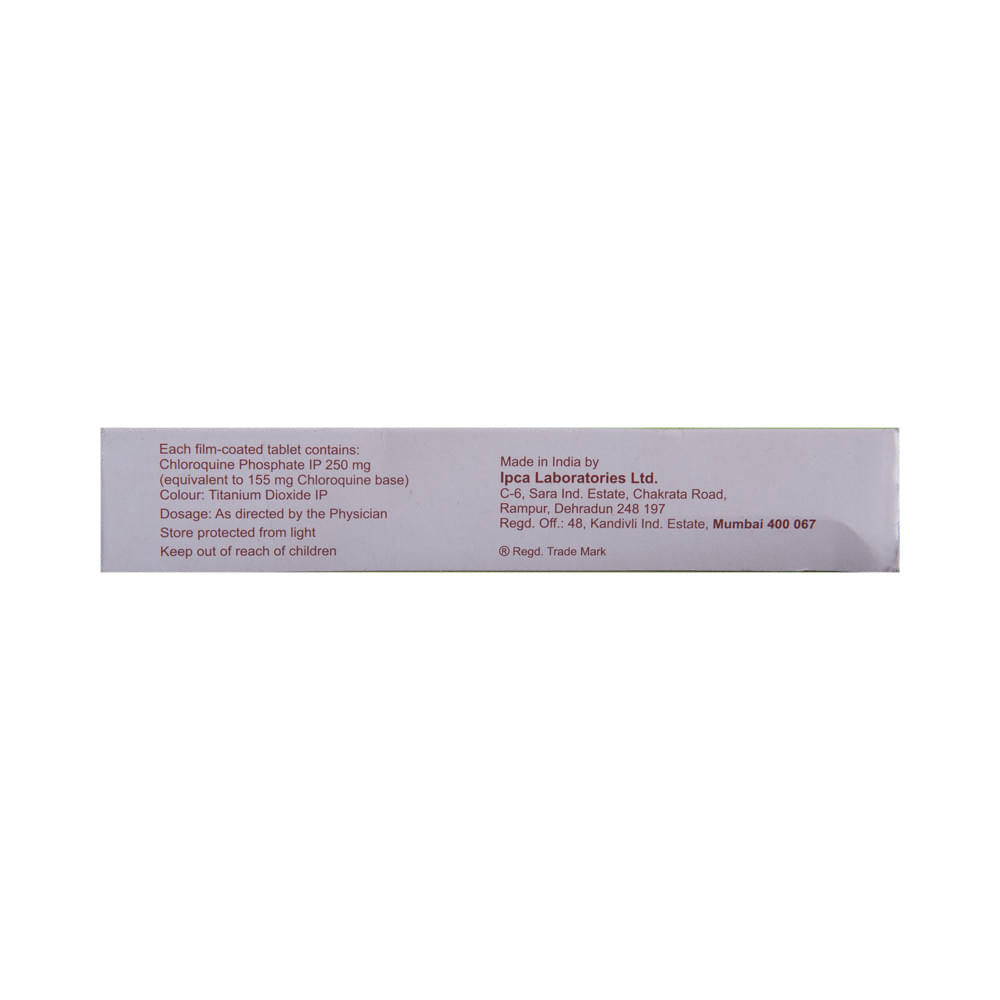
| Salt Composition: | Chloroquine (250mg) |
| Manufacturer: | Indian Drugs & Pharmaceuticals Ltd |
| Storage: | Below 25 degree celcius |
Out of Stock
Have doubts about this medicine?
Have doubts about this medicine?
Idiquin 250mg Tablet is an antiparasitic medicine used for the prevention and treatment of malaria. Idiquin 250mg Tablet should be used in the dose and duration as advised by your doctor. Take it with food to decrease the risk of stomach upset. Do not skip any doses and finish the full course of treatment even if you feel better. Stopping it early can result in treatment failure and increase the side effects too. Do not take a double dose to make up for a missed dose. Simply take the next dose as planned. Take measures to reduce the chance of being bitten by mosquitoes like using insect repellent creams on parts of your body not covered by clothing. Spray mosquito repellent to kill any mosquitoes that may have entered rooms in spite of screening. Wear light-colored and covered clothing when you are outside after sunset.
Idiquin 250mg Tablet is an antiparasitic medication that treats malaria. It works by increasing the levels of haeme in the blood, a substance toxic to the malarial parasite. This kills the parasite and stops the infection from spreading.
What is Idiquin 250mg Tablet and what is it used for?
Idiquin 250mg Tablet is an anti-malarial medication used to treat and prevent malaria.
How long does it take for malaria symptoms to show?
Malaria symptoms can develop as early as seven days after a bite from an infected mosquito. Initial symptoms often appear within 7 to 18 days (incubation period) from the infection day.
Is it safe to use Idiquin 250mg Tablet for long periods of time?
If your doctor has prescribed you Idiquin 250mg Tablet for extended use, regular eye checkups are crucial. This is because chloroquine in the medication can cause blurred vision, difficulty reading (words disappearing), and a rare eye condition called retinopathy if taken over an extended period.
Who should not use Idiquin 250mg Tablet?
Inform your doctor if you have psoriasis before taking Idiquin 250mg Tablet as it may worsen the condition.
What are the side effects of Idiquin 250mg Tablet?
Common side effects include stomach pain, nausea, vomiting, and headache. Taking the medication with food can often reduce these side effects.
Can chloroquine cure coronavirus (COVID-19)?
Currently, there is insufficient medical data to support chloroquine's effectiveness in treating COVID-19. Therefore, it is important not to self-treat with Idiquin 250mg Tablet for COVID-19 without consulting your doctor.
Can I take antacids along with Idiquin 250mg Tablet?
It's best to give a gap of at least four hours between taking an antacid and Idiquin 250mg Tablet.
What is the difference between hydroxychloroquine and chloroquine?
Both hydroxychloroquine and chloroquine were originally approved for malaria treatment. However, chloroquine tends to cause more side effects than hydroxychloroquine. Today, hydroxychloroquine is typically used more often due to its lesser side effect profile. Hydroxychloroquine also has FDA approval for treating rheumatoid arthritis and lupus, while chloroquine does not.
How can you prevent yourself from getting malaria?
Malaria prevention includes covering your arms and legs to avoid mosquito bites, using a mosquito net, and applying insect repellent. Your doctor may also recommend taking antimalarial medication as directed.
Take this medicine in the dose and duration as advised by your doctor. Swallow it as a whole. Do not chew, crush or break it. Idiquin 250mg Tablet is to be taken with food.
- Wear light-colored and covered clothing when you are outside after sunset
- Use insect repellent creams or sprays on parts of your body not covered by clothing
- Spray to kill any mosquitoes that may have entered rooms despite screening
- Rash
- Headache
- Dizziness
- Vomiting
- Stomach pain
- Diarrhea
- Loss of appetite
- Nausea

Alcohol
It is not known whether it is safe to consume alcohol with Idiquin 250mg Tablet. Please consult your doctor.

Breastfeed
Idiquin 250mg Tablet is safe to use during breastfeeding. Human studies suggest that the drug does not pass into the breastmilk in a significant amount and is not harmful to the baby.

Pregnancy
Idiquin 250mg Tablet may be unsafe to use during pregnancy. Although there are limited studies in humans, animal studies have shown harmful effects on the developing baby. Your doctor will weigh the benefits and any potential risks before prescribing it to you. Please consult your doctor.