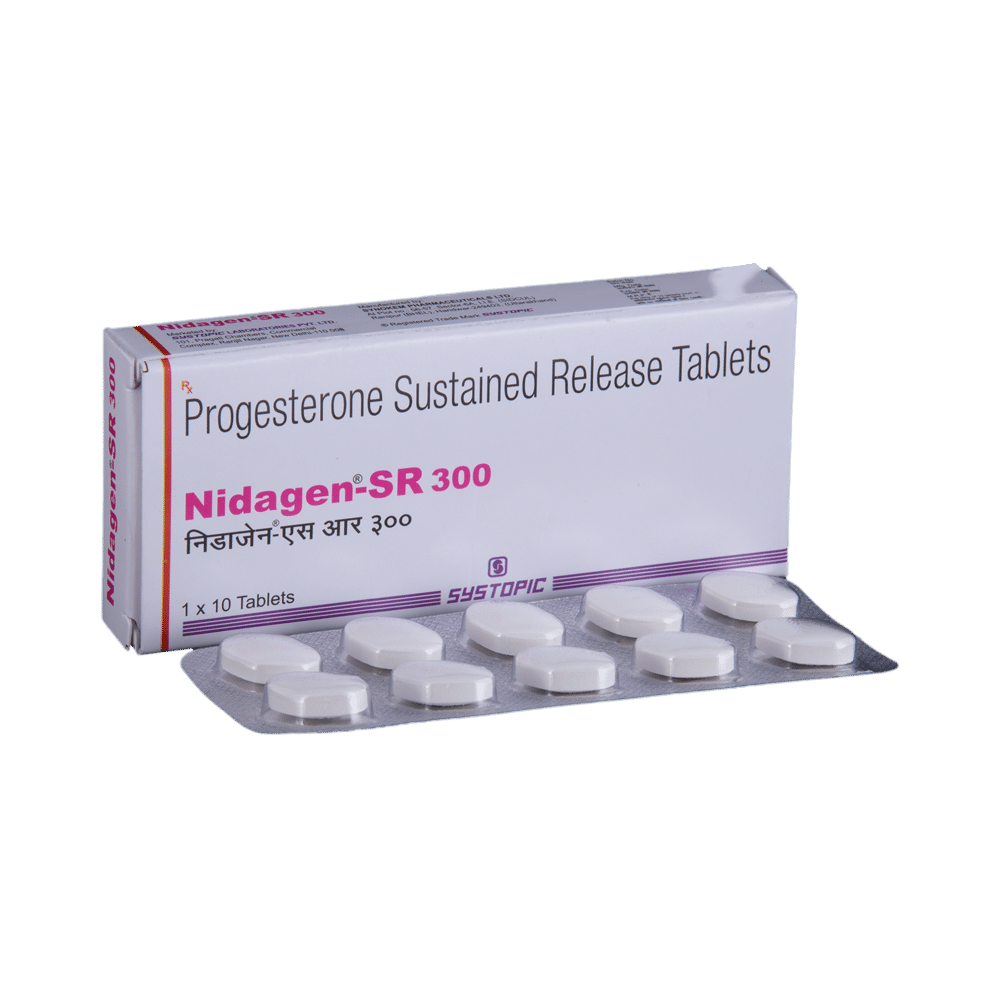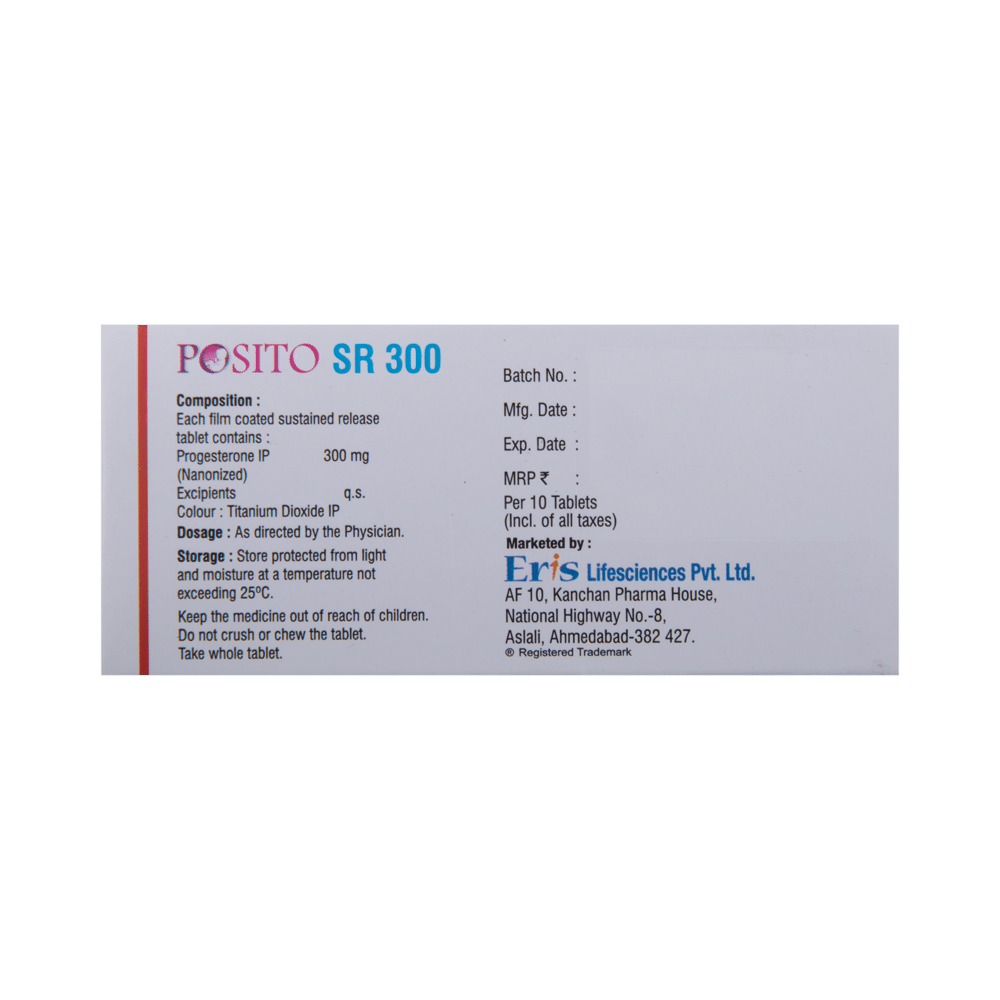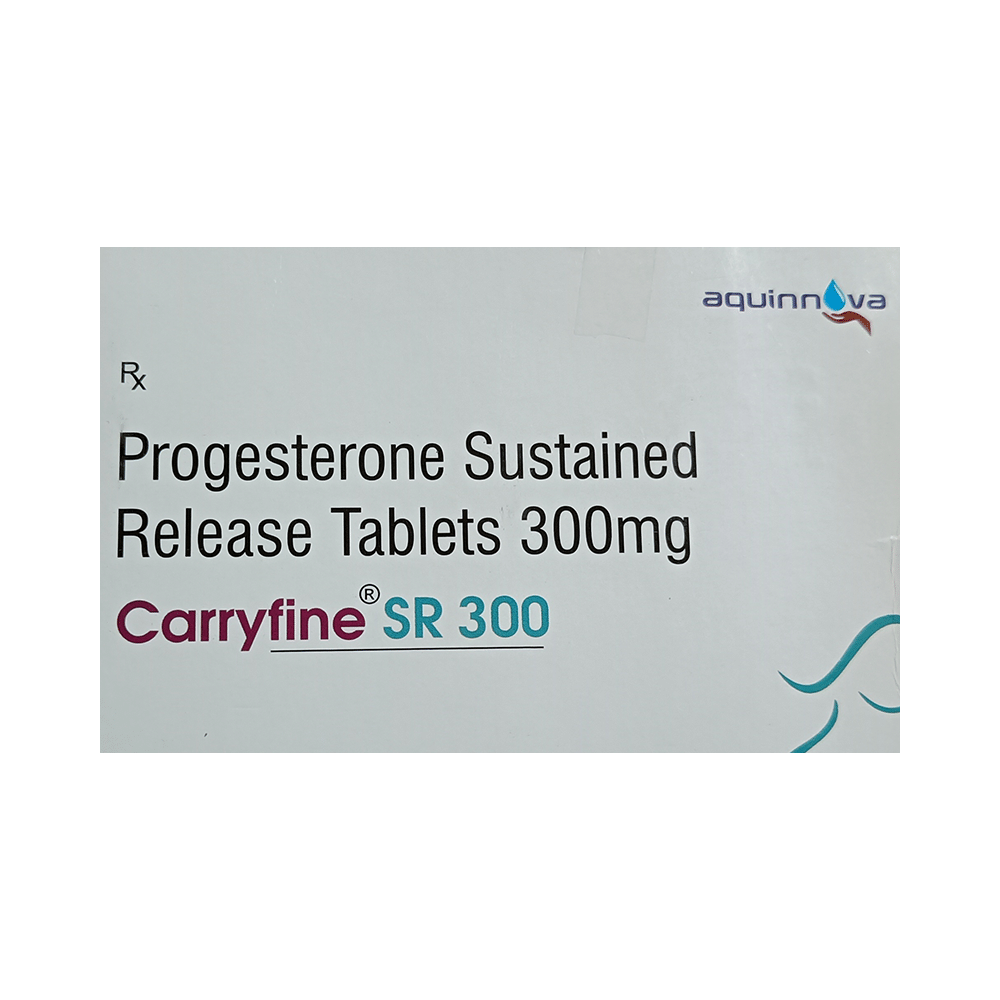
Hapygest 300mg Tablet SR
strip of 10.0 tablet.Prescription required
About this product:
| Salt Composition: | Progesterone (300mg) |
| Manufacturer: | Synomed Healthcare |
| Storage: | Below 25 degree celcius |
Out of Stock
Have doubts about this medicine?
Have doubts about this medicine?
Hapygest 300mg Tablet SR is a natural female sex hormone, progesterone, used to treat menstrual and pregnancy-related issues caused by hormonal imbalance.
Hapygest 300mg Tablet SR is a progesterone (female hormone). It works on the lining of the uterus and helps to establish and maintain pregnancy in infertile women. It helps in protecting the uterus from the negative effects of oestrogen when used for the treatment of postmenopausal symptoms.
What is the recommended frequency for taking Hapygest 300mg Tablet SR?
Hapygest 300mg Tablet SR can be taken once daily, usually in the evening or at bedtime. The duration of prescription may vary from 10-12 days a month to 25 days a month, depending on your doctor's guidance based on your health condition.
Can Hapygest 300mg Tablet SR cause weight gain?
Yes, taking Hapygest 300mg Tablet SR may lead to weight gain due to water retention. If you experience concerning weight gain, consult with your doctor. The risk of weight gain is generally lower when combined with estrogen therapy.
How does progesterone benefit fertility and pregnancy?
Progesterone plays a vital role in fertility by preparing the uterus for pregnancy and maintaining it. Hapygest 300mg Tablet SR (a form of progesterone) is prescribed to support uterine preparation, prevent abortions, and prevent premature labor.
Take this medicine in the dose and duration as advised by your doctor. Swallow it as a whole. Do not chew, crush or break it. Hapygest 300mg Tablet SR is to be taken empty stomach.
- Hapygest 300mg Tablet SR is used in the treatment of female infertility and as a part of hormone replacement therapy.
- It regulates menstrual cycles
- It treats heavy bleeding
- It prevents thickening of the uterus.
- It is also used to restore menstruation in women with secondary amenorrhea (the absence of menstrual cycles).
- It should be taken without food
- It may cause sleepiness or drowsiness. Don't drive or do anything that requires mental focus until you know how Hapygest 300mg Tablet SR affects you.
- It may cause bleeding or spotting in between menstrual periods. Let your doctor know if this occurs frequently.

Alcohol
Hapygest 300mg Tablet SR may cause excessive drowsiness with alcohol.

Breastfeed
Hapygest 300mg Tablet SR is probably unsafe to use during breastfeeding. Limited human data suggests that the drug may pass into the breastmilk and harm the baby.

Pregnancy
Hapygest 300mg Tablet SR is unsafe to use during pregnancy as there is definite evidence of risk to the developing baby. However, the doctor may rarely prescribe it in some life-threatening situations if the benefits are more than the potential risks. Please consult your doctor.