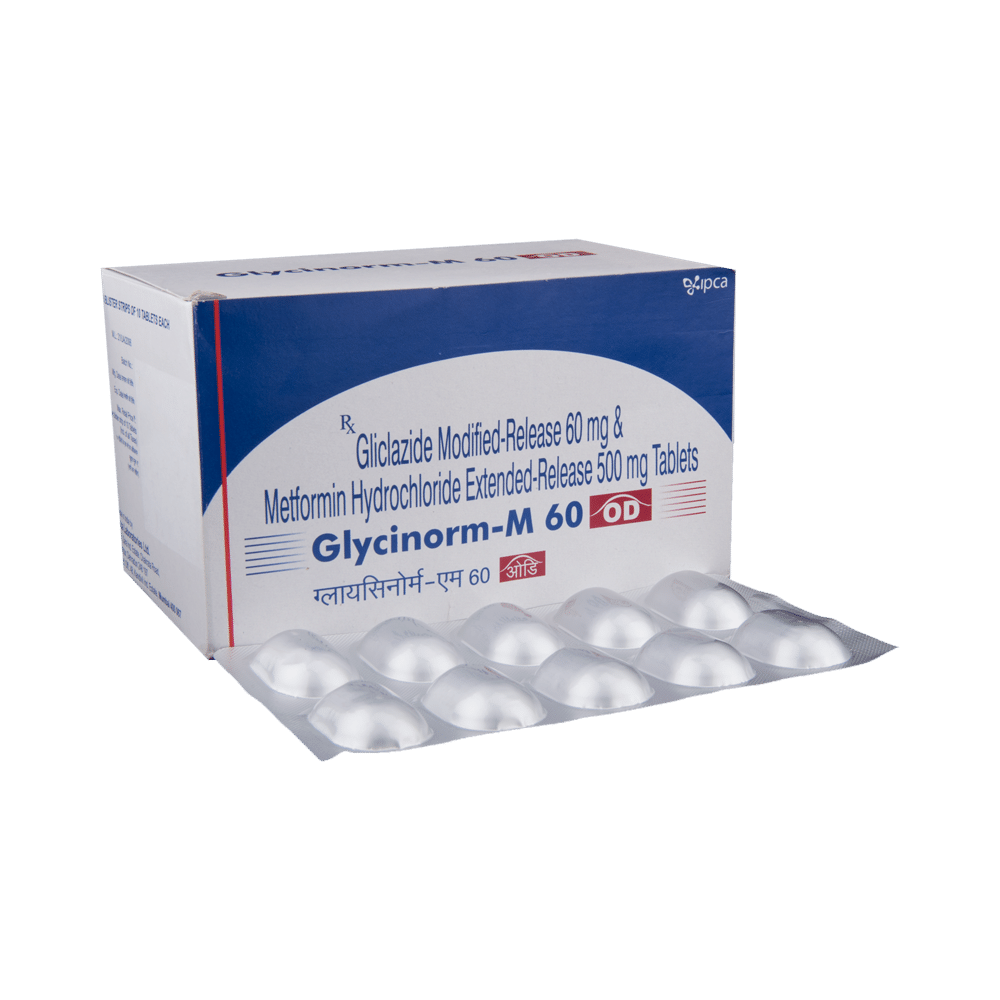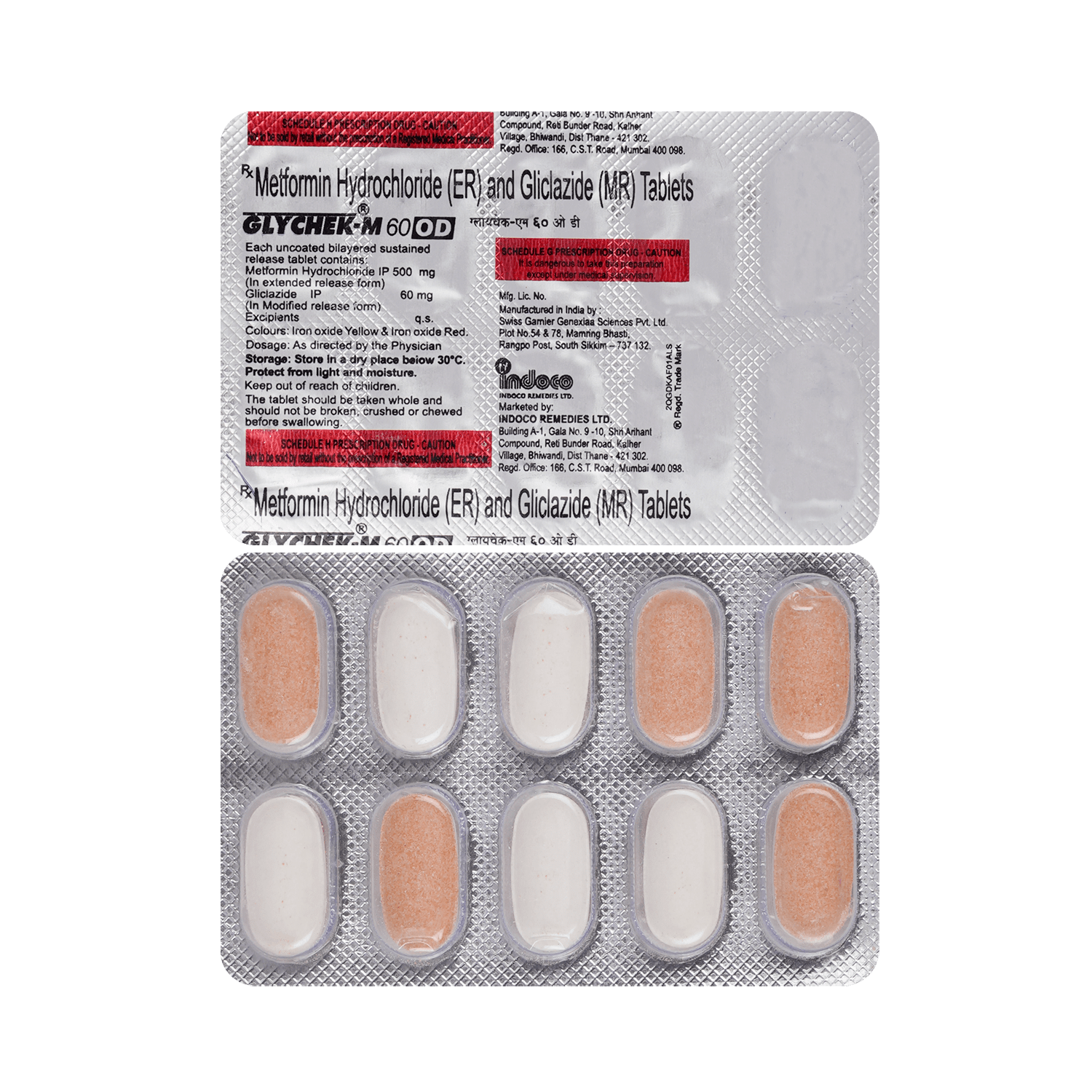
Flisur M 60mg/500mg Tablet
strip of 10.0 tablets.Prescription required
About this product:
| Salt Composition: | Gliclazide (60mg) + Metformin (500mg) |
| Manufacturer: | Retra Life Science Pvt Ltd |
| Storage: | Below 25 degree celcius |
Out of Stock
Have doubts about this medicine?
Have doubts about this medicine?
Flisur M 60mg/500mg Tablet is a combination of two medicines used to treat type 2 diabetes mellitus in adults. It helps control blood sugar levels in people with diabetes. Flisur M 60mg/500mg Tablet belongs to a category of medicines known as anti-diabetic drugs. It is a combination of two medicines used to treat type 2 diabetes mellitus in adults. It helps control blood sugar levels in people with diabetes.
Flisur M 60mg/500mg Tablet is a combination of two antidiabetic medicines: Gliclazide and Metformin.
What is Flisur M 60mg/500mg Tablet?
Flisur M 60mg/500mg Tablet is a combination medication that contains two active ingredients, Gliclazide and Metformin. It is used to treat type 2 diabetes mellitus (DM) in adults, improving blood glucose levels when taken along with a proper diet and regular exercise. Gliclazide works by increasing the release of insulin from the pancreas, while Metformin lowers glucose production in the liver and improves insulin sensitivity.
What are the possible side effects of Flisur M 60mg/500mg Tablet?
The use of Flisur M 60mg/500mg Tablet is associated with common side effects such as hypoglycemia (low blood sugar level), altered taste, nausea, stomach pain, diarrhea, headache, and upper respiratory tract infection. Rare but serious side effects include lactic acidosis, which can be a medical emergency caused by increased levels of lactic acid in the blood.
Can the use of Flisur M 60mg/500mg Tablet cause hypoglycemia?
Yes, the use of Flisur M 60mg/500mg Tablet can cause hypoglycemia (low blood sugar level). Symptoms may include nausea, headache, irritability, hunger, sweating, dizziness, fast heart rate, and feeling anxious or shaky. Regular monitoring of blood sugar levels is essential, and it's recommended to keep glucose tablets, honey, or fruit juice on hand.
Can the use of Flisur M 60mg/500mg Tablet cause lactic acidosis?
Yes, the use of Flisur M 60mg/500mg Tablet can lead to lactic acidosis. This is a rare but serious side effect associated with metformin use. Lactic acidosis symptoms may include muscle pain or weakness, dizziness, tiredness, feeling of cold in arms and legs, difficulty breathing, nausea, vomiting, stomach pain, or slow heart rate. If you experience these symptoms, stop taking Flisur M 60mg/500mg Tablet and consult your doctor immediately.
Can the use of Flisur M 60mg/500mg Tablet lead to Vitamin B12 deficiency?
Yes, long-term use of Flisur M 60mg/500mg Tablet can cause vitamin B12 deficiency. This occurs when the medication interferes with vitamin B12 absorption in the stomach. If left untreated, it may lead to anemia and nerve problems, including a tingling sensation or numbness in hands and feet, weakness, urinary issues, changes in mental status, and difficulty maintaining balance.
Are there any specific conditions in which Flisur M 60mg/500mg Tablet should not be taken?
Flisur M 60mg/500mg Tablet should be avoided in patients with known allergies to the medication or its excipients. Additionally, it is contraindicated for those with moderate to severe kidney disease or underlying metabolic acidosis, including diabetic ketoacidosis.
Is it safe to take alcohol while I am also taking Flisur M 60mg/500mg Tablet?
No, it's not recommended to consume alcohol while taking Flisur M 60mg/500mg Tablet. Alcohol can lower blood sugar levels (hypoglycemia) and increase the risk of lactic acidosis.
Take this medicine in the dose and duration as advised by your doctor. Swallow it as a whole. Do not chew, crush or break it. Flisur M 60mg/500mg Tablet is to be taken with food.
- Monitor your blood sugar level regularly while you are taking this medicine.
- It can cause hypoglycemia (low blood sugar level) when used with other antidiabetic medicines, alcohol or if you delay or miss a meal.
- Inform your doctor about your diabetes treatment if you are due to have surgery under a general anesthetic.
- Tell your doctor immediately if you experience any deep or rapid breathing or if you have persistent nausea, vomiting, and stomach pain as Flisur M 60mg/500mg Tablet may cause a rare but serious condition called lactic acidosis.
- No common side effects listed.

Alcohol
It is unsafe to consume alcohol with Flisur M 60mg/500mg Tablet.

Breastfeed
Flisur M 60mg/500mg Tablet is probably unsafe to use during breastfeeding. Limited human data suggests that the drug may pass into the breastmilk and harm the baby.

Pregnancy
Flisur M 60mg/500mg Tablet is unsafe to use during pregnancy as there is definite evidence of risk to the developing baby. However, the doctor may rarely prescribe it in some life-threatening situations if the benefits are more than the potential risks. Please consult your doctor.