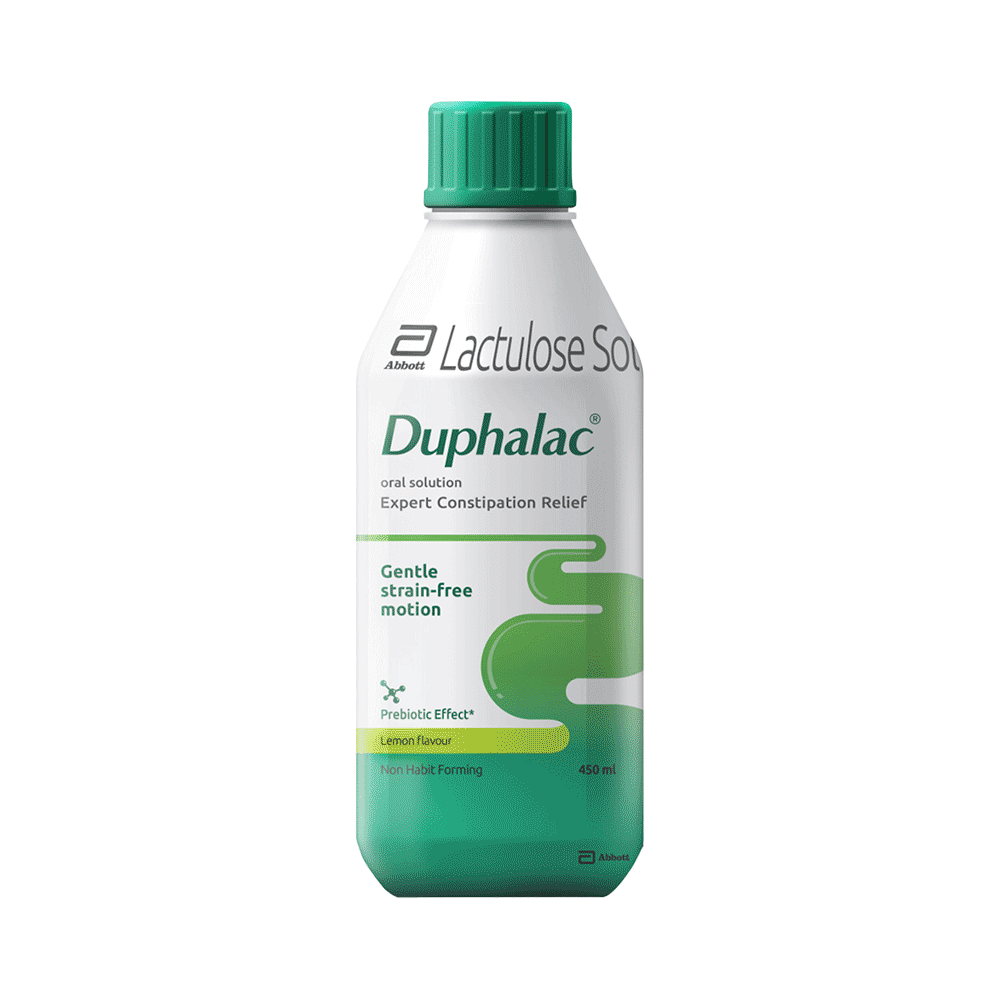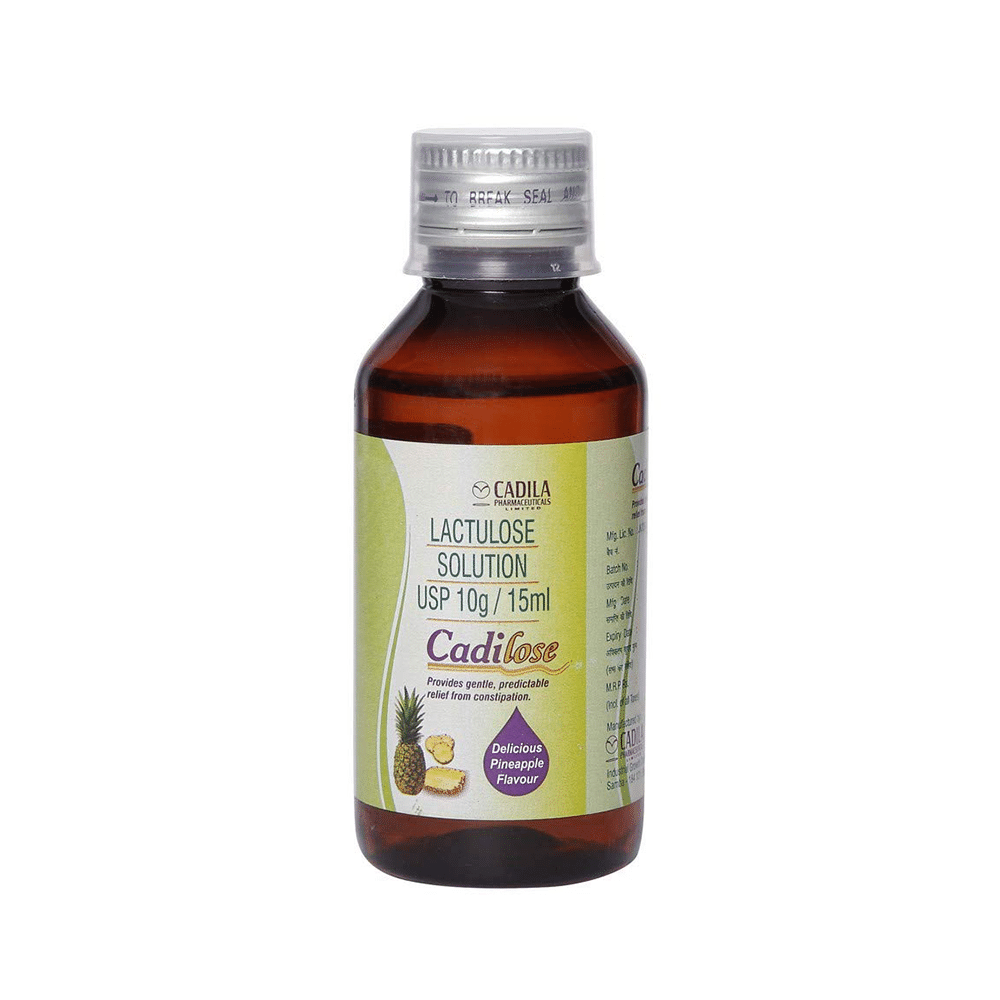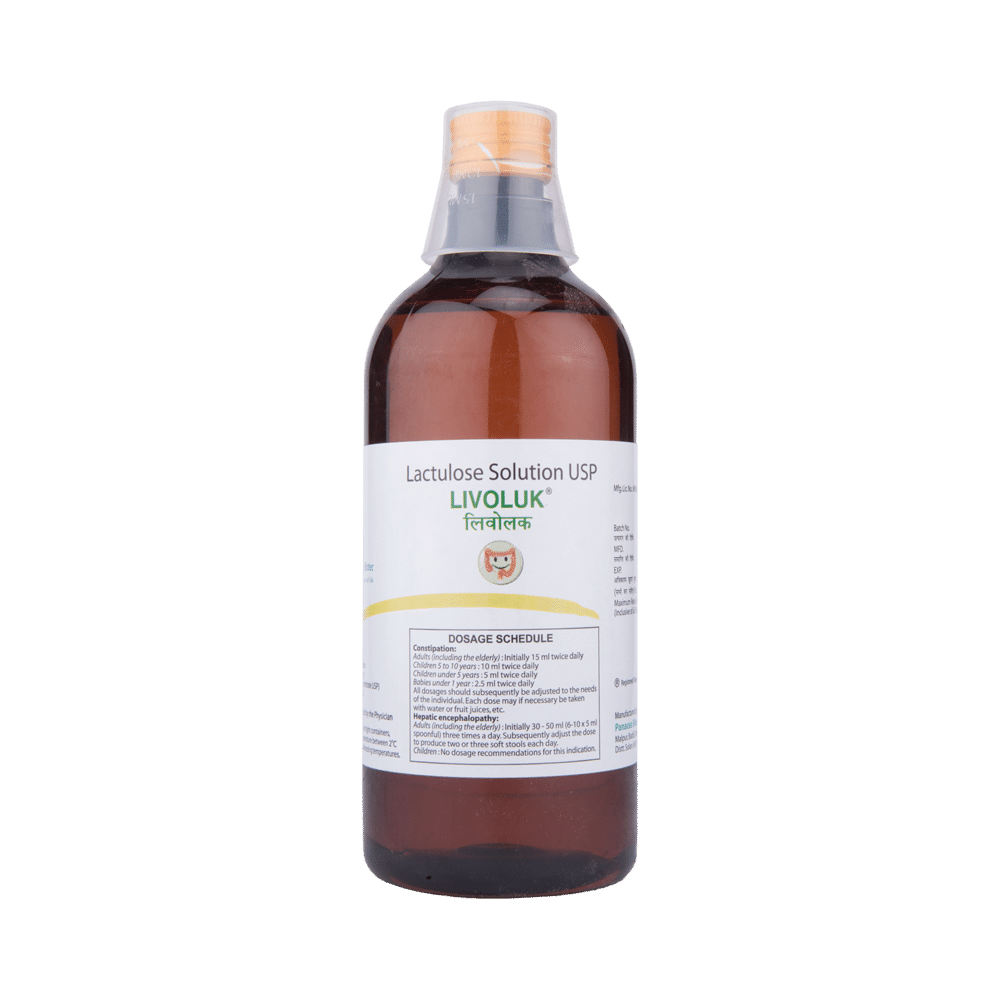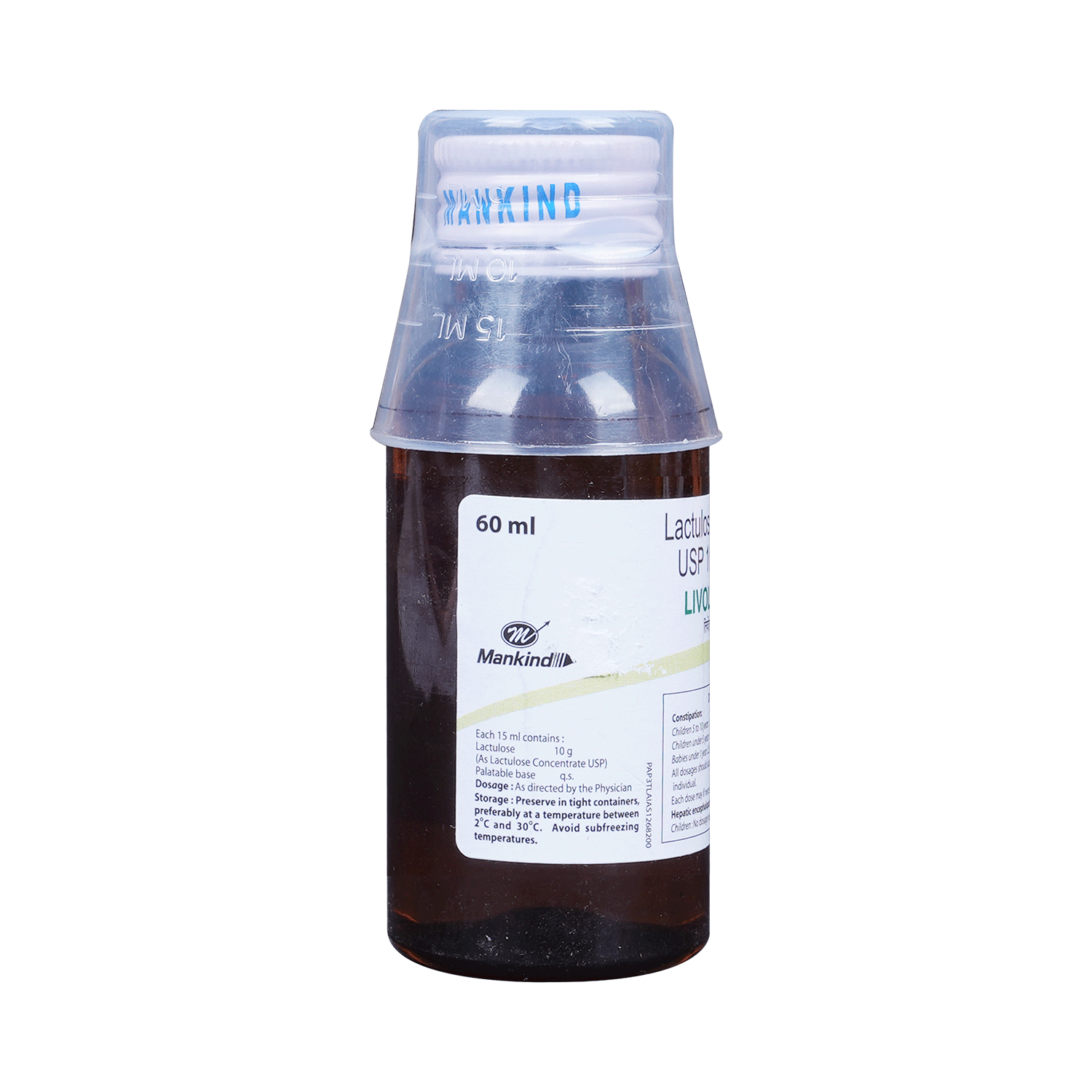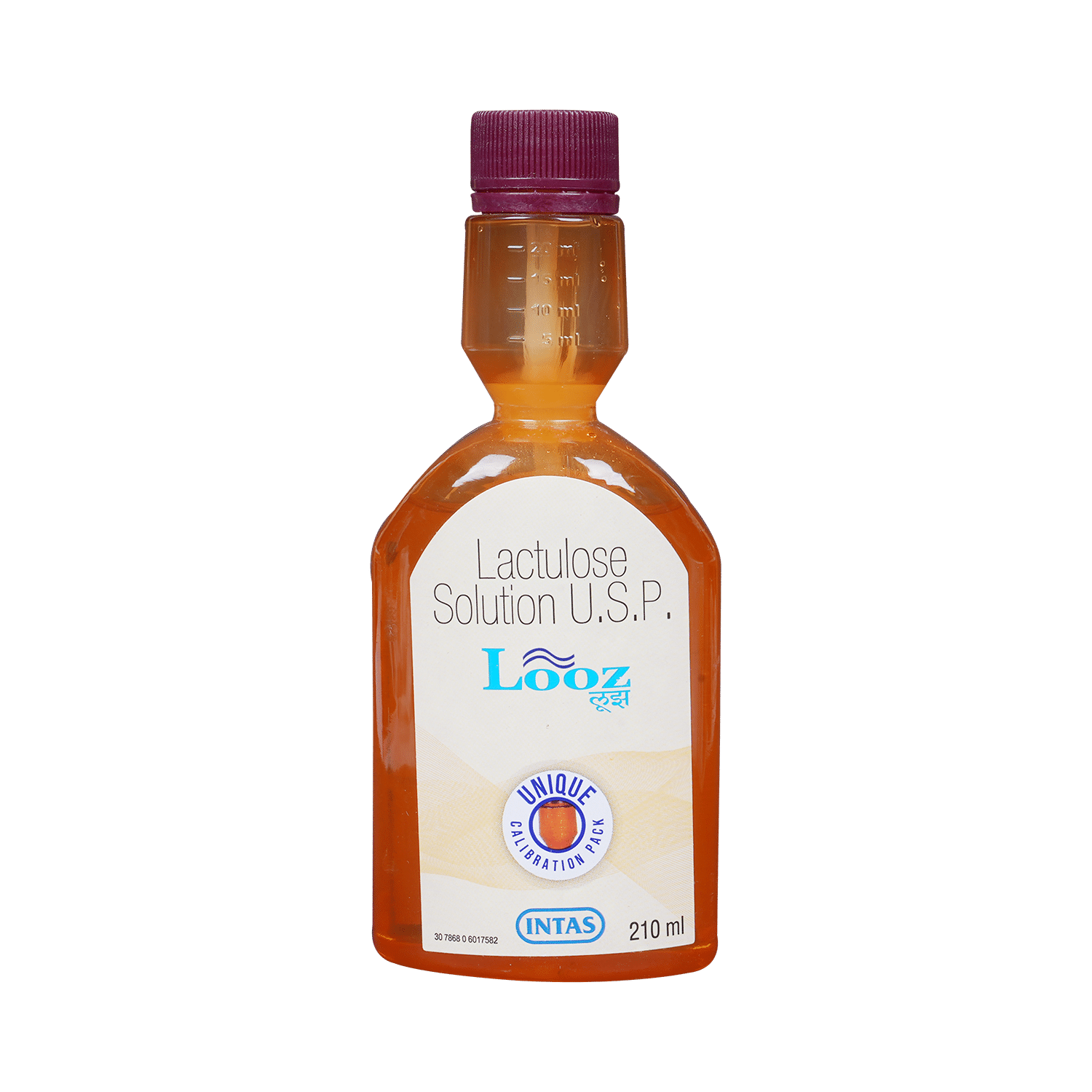
Evict Syrup
1 Bottle of 100 Ml
About this product:
| Salt Composition: | Lactulose (10gm/15ml) |
| Manufacturer: | Albert David Ltd |
| Storage: | Below 25 degree celcius |
Out of Stock
Have doubts about this medicine?
Have doubts about this medicine?
Evict Oral Solution is a type of sugar used to treat constipation and hepatic encephalopathy. Evict Oral Solution can be taken with or without food. You should take this medicine as advised by your doctor. Use this medicine regularly to get the maximum benefit and try to take it at the same time(s) each day. Your dose may go up or down depending on how well it is working. Do not take more than you are advised to and if you miss a dose do not take an extra one to make up for it. This medicine takes at least 48 hours to work. Talk to your doctor if you are still constipated after 3 days.
Works by drawing water into the intestine through osmosis.Which makes the stool soft and easier to pass
How long does it take for Evict Oral Solution to start working?
You can expect to see the benefits of Evict Oral Solution within 2-3 days. If you experience constipation after 3 days of treatment, consult your doctor for further guidance.
What is Evict Oral Solution used for?
Evict Oral Solution is prescribed to treat constipation, characterized by infrequent bowel movements, hard, and dry stools. It is also used to manage hepatic encephalopathy, a serious liver condition causing confusion, tremors, and decreased level of consciousness.
Is Evict Oral Solution a laxative?
Yes, Evict Oral Solution is a laxative that softens stool by drawing water from the body into the large intestine. It is also used to reduce ammonia levels in the blood of patients with liver disease.
What are the potential side effects of taking Evict Oral Solution?
Common side effects of Evict Oral Solution include diarrhea, flatulence, nausea, vomiting, and abdominal pain. Diarrhea and abdominal pain may occur due to high doses, and in such cases, the dose should be reduced. Flatulence may occur during the initial few days of treatment and may resolve over time. This medication may also cause electrolyte imbalances, although this is an uncommon side effect.
Can I take Evict Oral Solution every day?
You should take Evict Oral Solution for as long as advised by your doctor. For constipation, treatment may last up to a week, while for hepatic encephalopathy, treatment may be longer, potentially several months.
Who should not take Evict Oral Solution?
Evict Oral Solution is contraindicated in patients with a known allergy or intolerance to the medication, lactose intolerance, galactosemia, or those who are unable to process lactose.
Can I take other laxatives with Evict Oral Solution?
Typically, one laxative is sufficient to relieve constipation. However, your doctor may recommend taking an additional laxative with Evict Oral Solution. Be aware that the risk of side effects increases when taking multiple laxatives.
What if I take more than the recommended dose of Evict Oral Solution?
Taking more than the recommended dose of Evict Oral Solution may lead to abdominal pain, electrolyte imbalances, and diarrhea, which may persist for a few days.
How should I take Evict Oral Solution?
Take the prescribed amount using the provided measuring cup or spoon. You can take it with water or fruit juice if needed. Drink plenty of water for optimal results. Swallow the medication immediately after placing it in your mouth to prevent tooth decay, which may occur with prolonged use.
Take this medicine in the dose and duration as advised by your doctor.Check the label for directions before use.Measure it with a measuring cup and take it by mouth.Shake well before use.Evict Oral Solution may be taken with or without food but it is better to take it at a fixed time
- Evict Oral Solution is used in the treatment of constipation and hepatic encephalopathy.
- It should preferably be taken at bedtime as it requires 6 to 8 hours to show effect.
- It is usually taken once a day as needed for up to 2 weeks. Take it exactly as prescribed by the doctor.
- Take it at least 2 hours after taking other medicines as it may interfere with the absorption of other medicines.
- Inform your doctor if you have a history of stomach disorders such as appendicitis or a blockage in your bowel.
- Some healthy tips to prevent constipation from happening: Eat more fiber in your diet. Recommended daily intake is 20-35g. Drink 8-10 glasses of water per day. Exercise regularly at least 3 times per week. Do not hold in stool as that can worsen bowel issues.
- No common side effects listed

Alcohol
Consuming alcohol with Evict Oral Solution does not cause any harmful side effects.

Breastfeed
Evict Oral Solution is probably safe to use during breastfeeding. Limited human data suggests that the drug does not represent any significant risk to the baby.

Pregnancy
Evict Oral Solution is generally considered safe to use during pregnancy. Animal studies have shown low or no adverse effects to the developing baby; however, there are limited human studies.