Dyloop Plus 20 Tablet
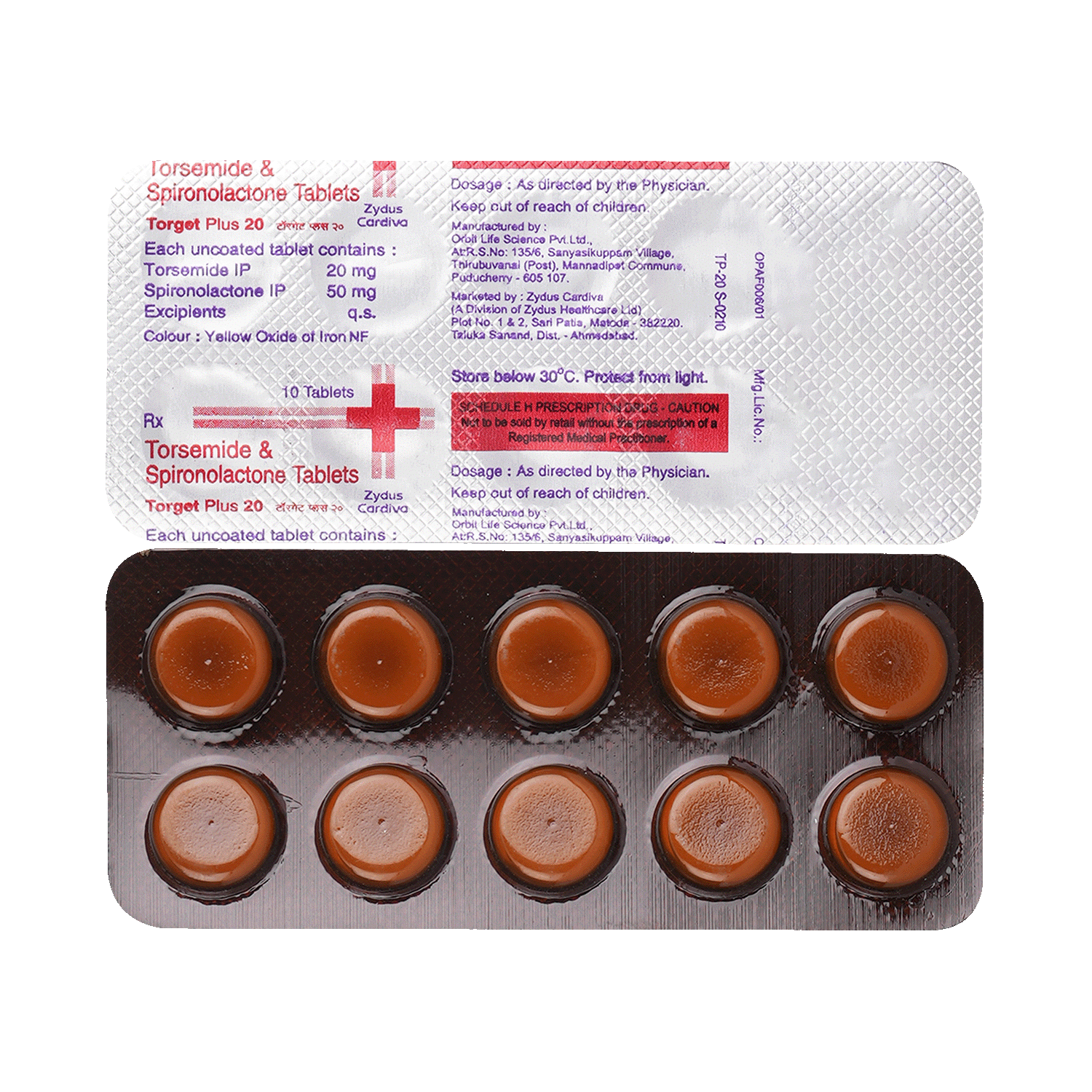
strip of 10.0 tablets.Prescription required
About this product:
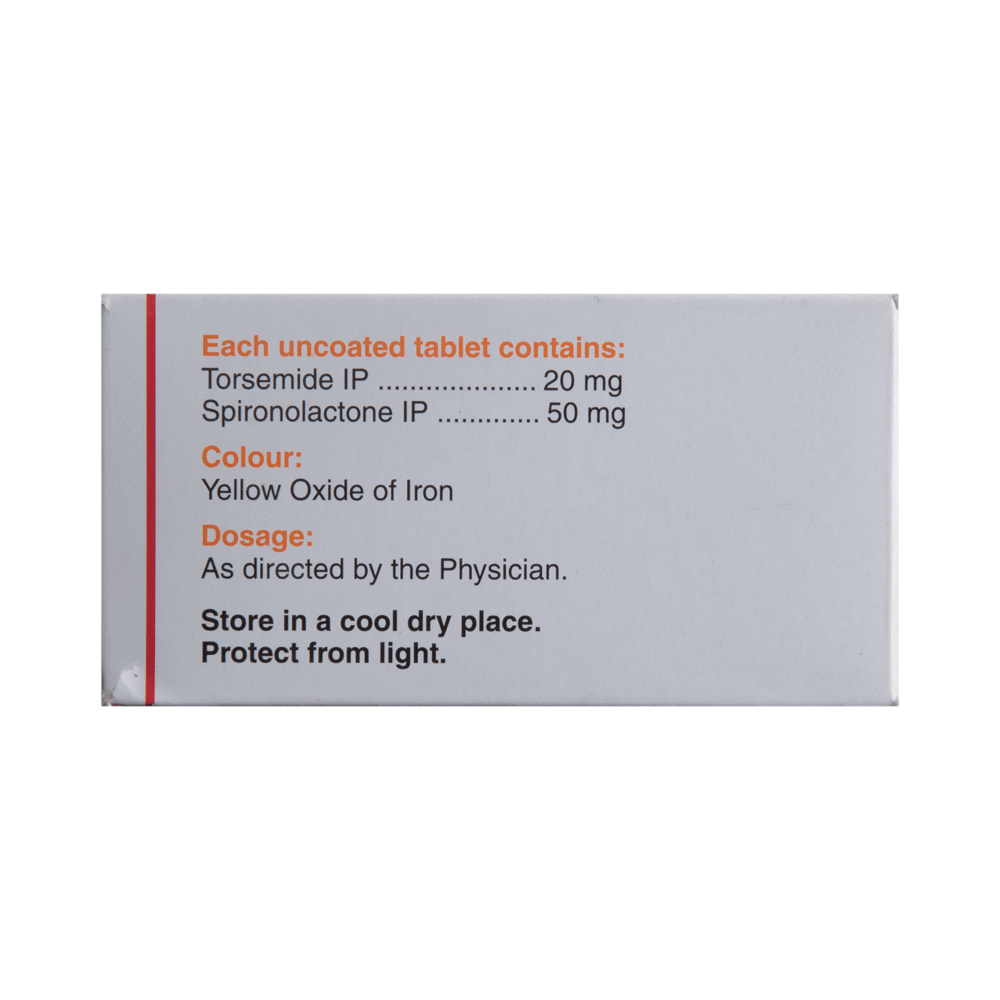
| Salt Composition: | Spironolactone (50mg) + Torasemide (20mg) |
| Manufacturer: | Sinsan Pharmaceuticals |
| Storage: | Below 25 degree celcius |
Out of Stock
Have doubts about this medicine?
Have doubts about this medicine?
Dyloop Plus 20 Tablet is a combination of two medicines used to reduce excess fluid levels in the body while maintaining the potassium balance. Dyloop Plus 20 Tablet is a combination of two medicines used to reduce excess fluid levels in the body while maintaining the potassium balance. It is used to treat edema (fluid overload) and some cases of hypertension.
Dyloop Plus 20 Tablet is a combination of two medicines: Spironolactone and Torasemide.
Can the use of Dyloop Plus 20 Tablet cause dizziness?
Yes, some patients may experience dizziness or lightheadedness when using Dyloop Plus 20 Tablet. If you feel dizzy or lightheaded, it is recommended to rest for a while and resume once you feel better. Avoid driving or operating machines if you experience dizziness.
Can the use of Dyloop Plus 20 Tablet cause gout?
Yes, Dyloop Plus 20 Tablet can increase blood uric acid levels, which may lead to a gout attack. Inform your doctor if you have hyperuricemia or a history of gout before taking this medicine. Patients with gout should avoid using Dyloop Plus 20 Tablet.
Can the use of Dyloop Plus 20 Tablet cause dehydration (excessive loss of fluid)?
Yes, Dyloop Plus 20 Tablet can cause dehydration, which may lead to symptoms such as dry mouth, thirst, drowsiness, restlessness, muscle pain, weakness, tiredness, low blood pressure, decreased urination, increased heart rate, nausea, and vomiting. Inform your doctor if you experience persistent problems while taking this medicine.
Can the use of Dyloop Plus 20 Tablet cause hyperkalemia (increased potassium levels)?
Yes, Dyloop Plus 20 Tablet can increase potassium levels in the blood, especially in patients with underlying kidney disease or excessive potassium intake. High potassium levels can be fatal and require immediate medical attention. Regular electrolyte and kidney function tests are recommended while taking this medicine.
What are the contraindications to the use of Dyloop Plus 20 Tablet?
The use of Dyloop Plus 20 Tablet is contraindicated in patients with hypersensitivity to torasemide, sulfonylureas, or spironolactone; anuria; acute renal insufficiency; hepatic coma and pre-coma; low blood pressure; cardiac arrhythmias; patients taking aminoglycosides or cephalosporins; kidney dysfunction due to drug-induced damage; hyperkalemia; Addison's disease; and children with moderate to severe renal impairment.
What is the storage condition for the Dyloop Plus 20 Tablet?
Store Dyloop Plus 20 Tablet in its original container, tightly closed. Dispose of unused medicine according to the instructions on the pack or label. Keep it out of reach of children and pets.
What is Dyloop Plus 20 Tablet?
Dyloop Plus 20 Tablet is a fixed-dose combination of torasemide (a loop diuretic) and spironolactone (an antagonist of aldosterone), which help remove excess fluid from the body. It is used to treat congestive heart failure, nephrotic syndrome, liver cirrhosis with fluid retention, and swelling of the abdomen.
Is it safe to use Dyloop Plus 20 Tablet?
Yes, Dyloop Plus 20 Tablet is generally safe for most patients. However, some common side effects include dizziness, dehydration, low sodium levels, breast enlargement in males, decreased magnesium levels, decreased calcium levels, and increased blood uric acid. Inform your doctor if you experience any persistent problems while taking this medicine.
Take this medicine in the dose and duration as advised by your doctor. Swallow it as a whole. Do not chew, crush or break it. Dyloop Plus 20 Tablet is to be taken with food.
- Dyloop Plus 20 Tablet helps removes excess water from your body.
- Take it in the morning with breakfast to avoid getting up at night to urinate.
- It may cause dizziness or sleepiness. Don't drive or do anything requiring concentration until you know how it affects you.
- To lower the chance of feeling dizzy or passing out, rise slowly if you have been sitting or lying down.
- It may cause excessive urine production, dehydration, and low electrolyte levels. Notify your doctor if you experience dizziness, tiredness, or muscle weakness that doesn't go away.
- No common side effects listed.

Alcohol
It is unsafe to consume alcohol with Dyloop Plus 20 Tablet.

Breastfeed
Dyloop Plus 20 Tablet is probably safe to use during breastfeeding. Limited human data suggests that the drug does not represent any significant risk to the baby.

Pregnancy
Dyloop Plus 20 Tablet may be unsafe to use during pregnancy. Although there are limited studies in humans, animal studies have shown harmful effects on the developing baby. Your doctor will weigh the benefits and any potential risks before prescribing it to you. Please consult your doctor.