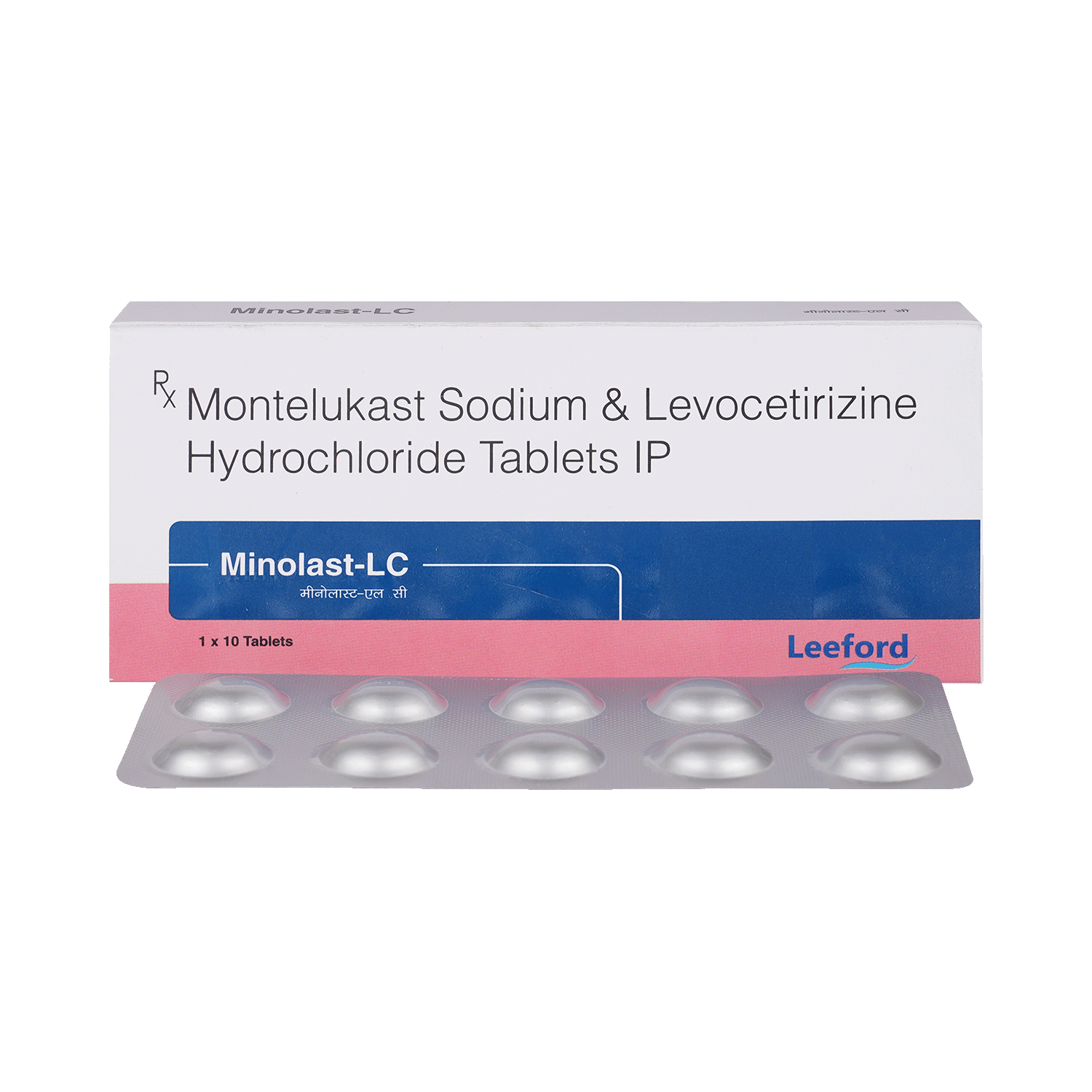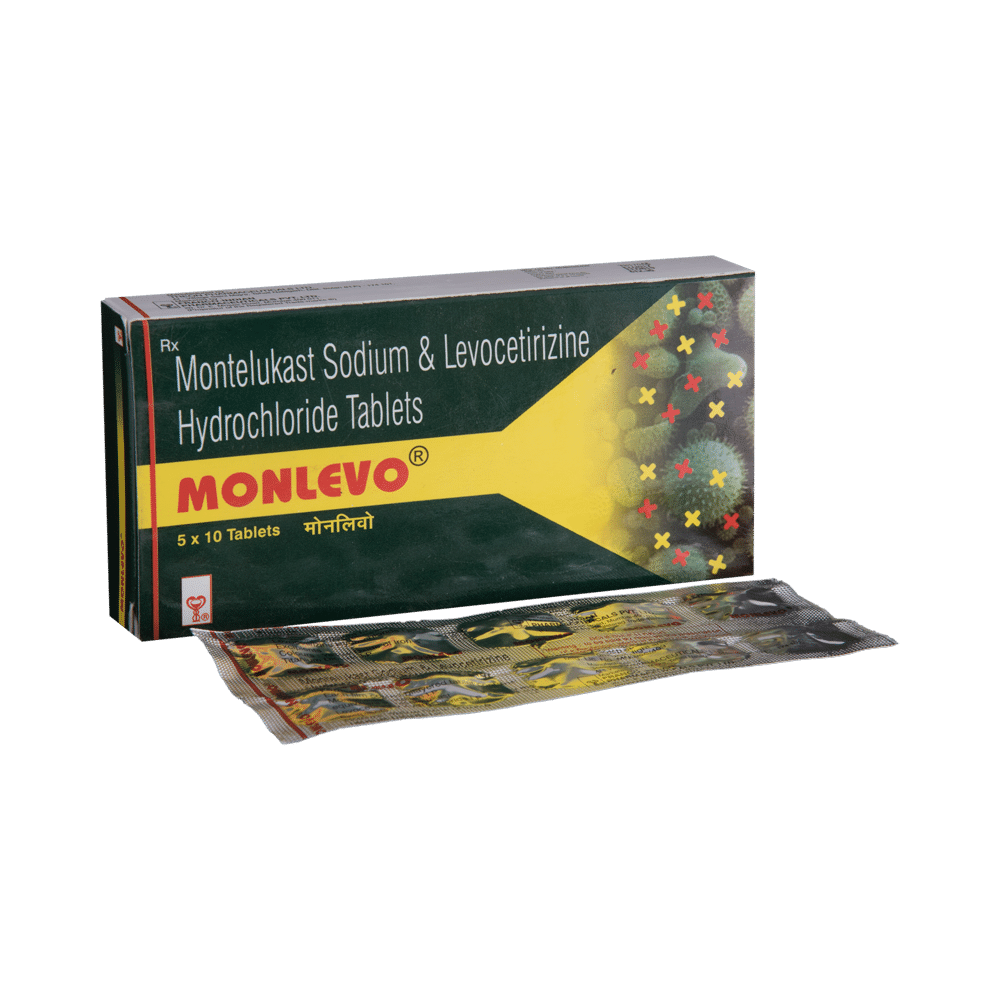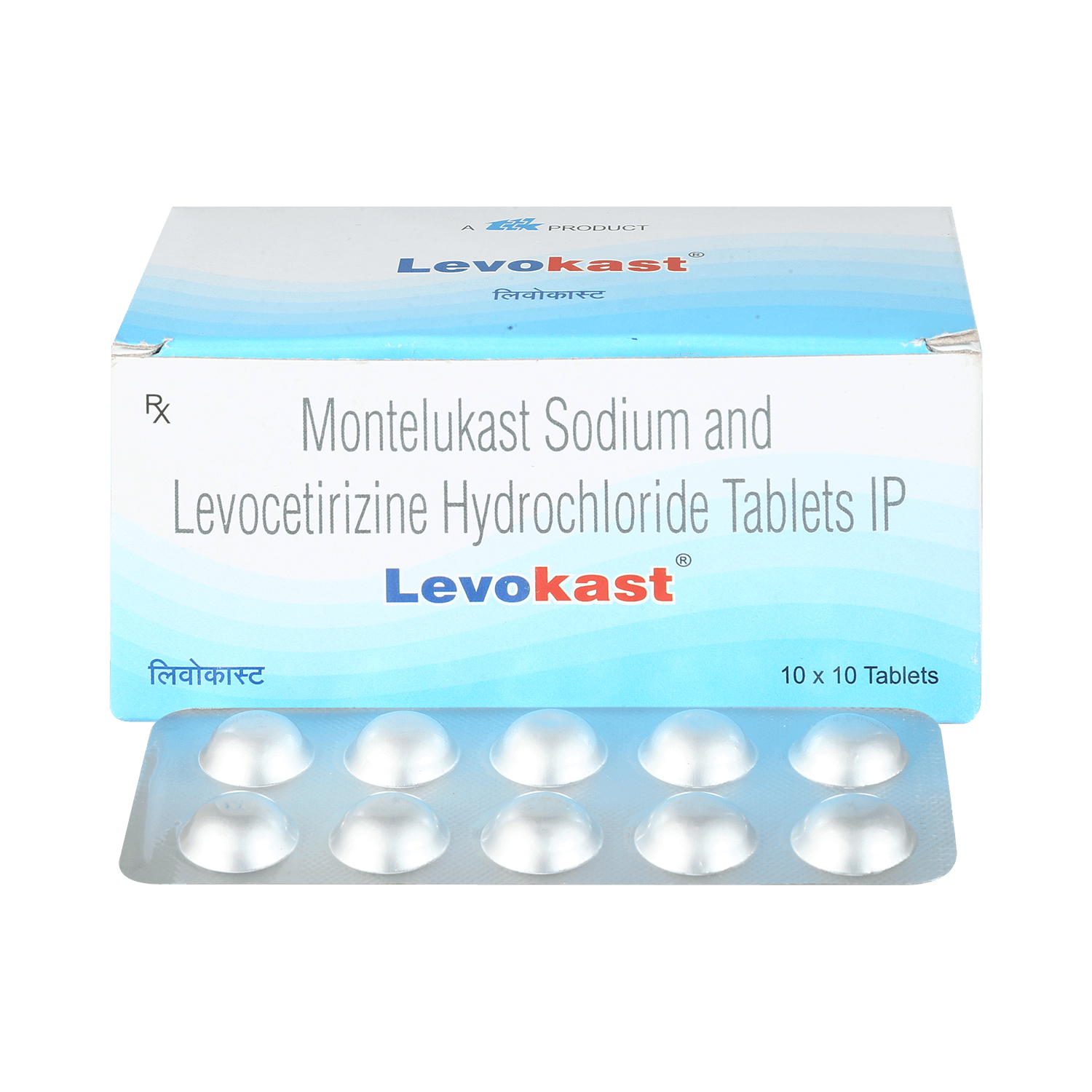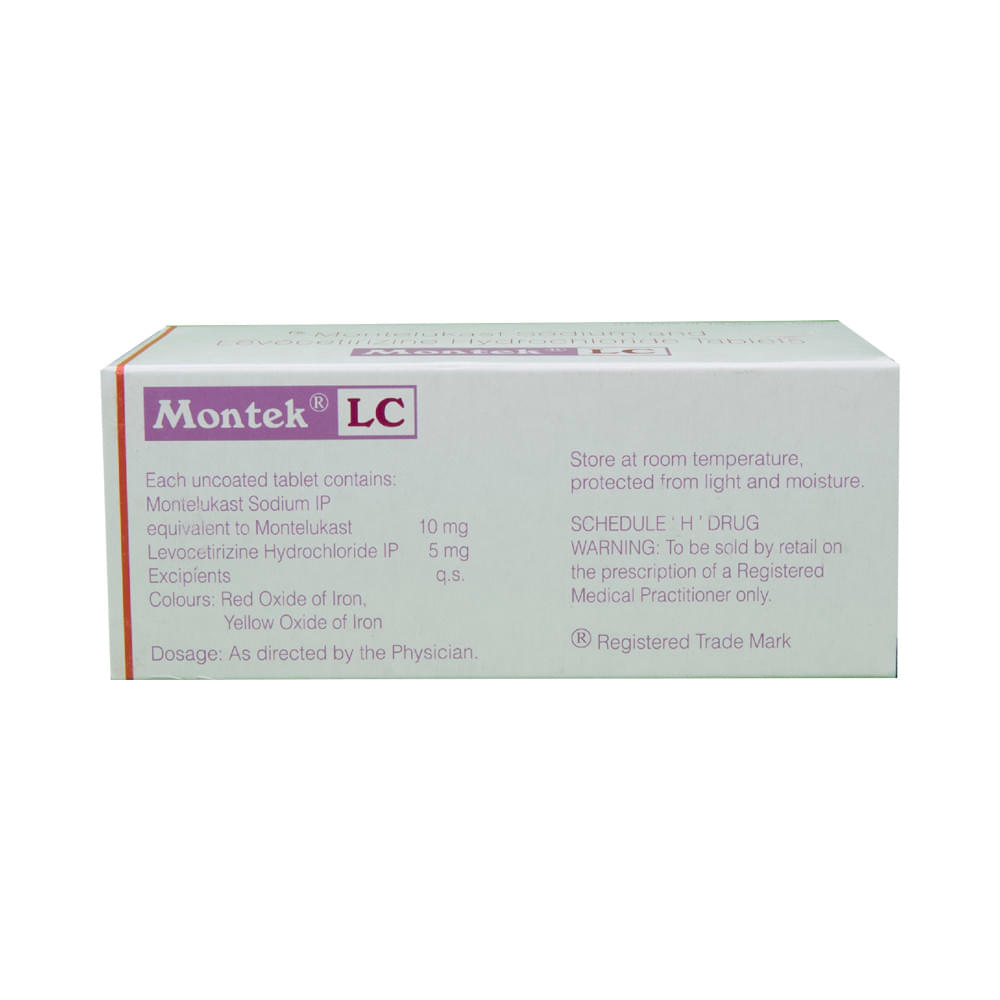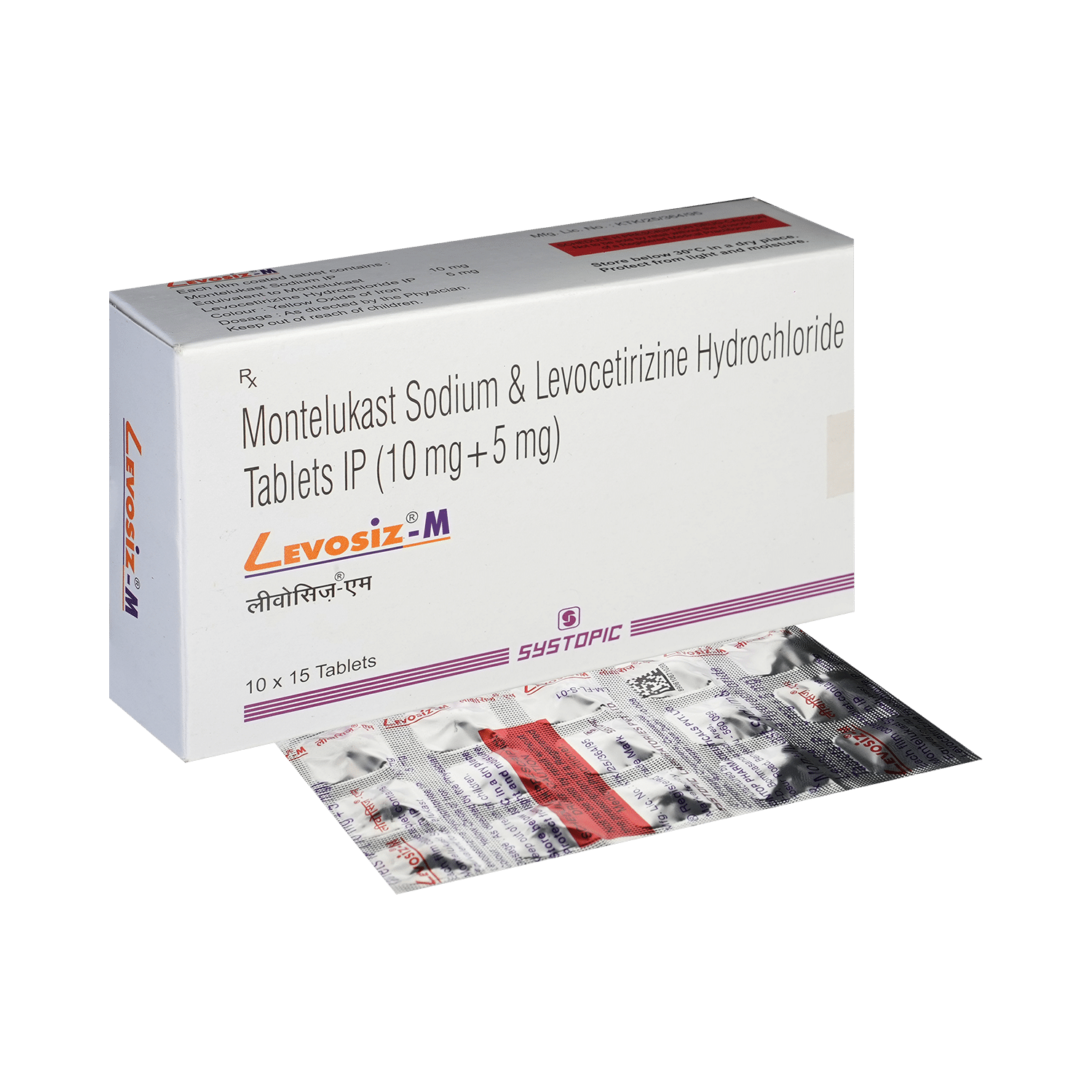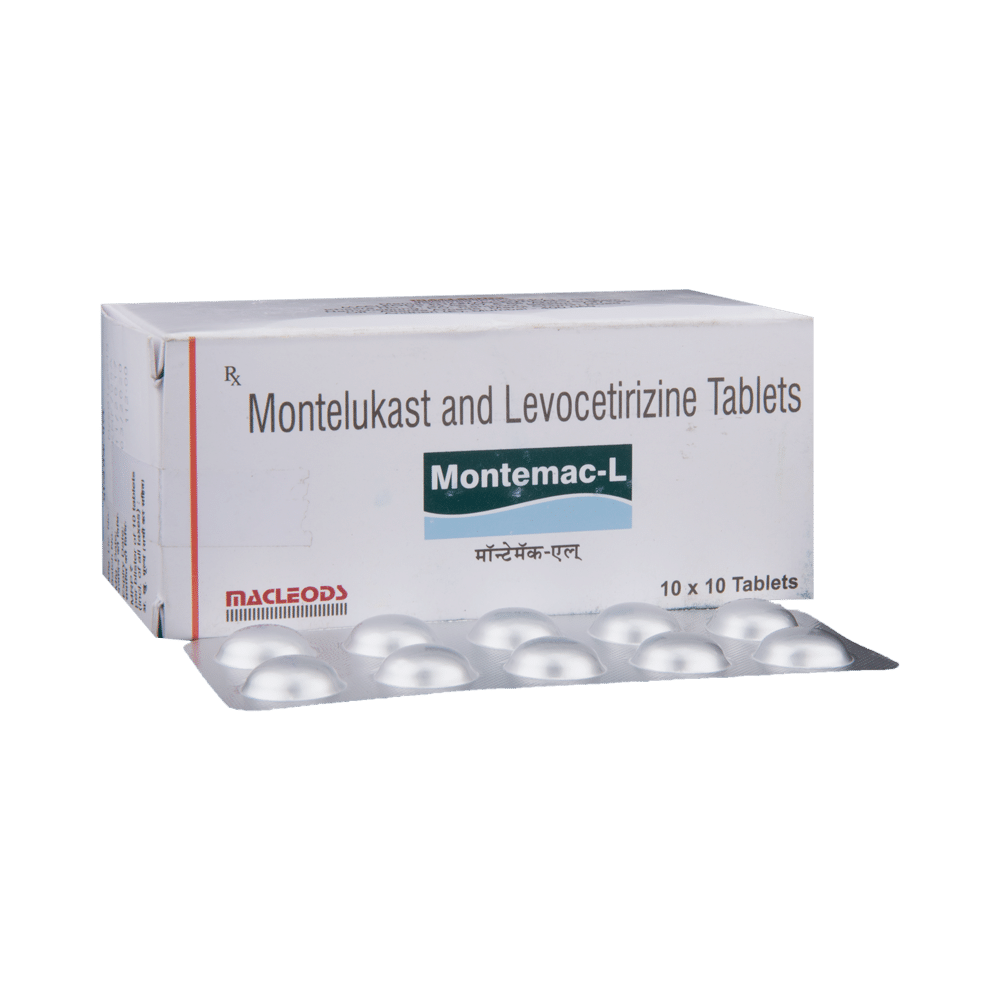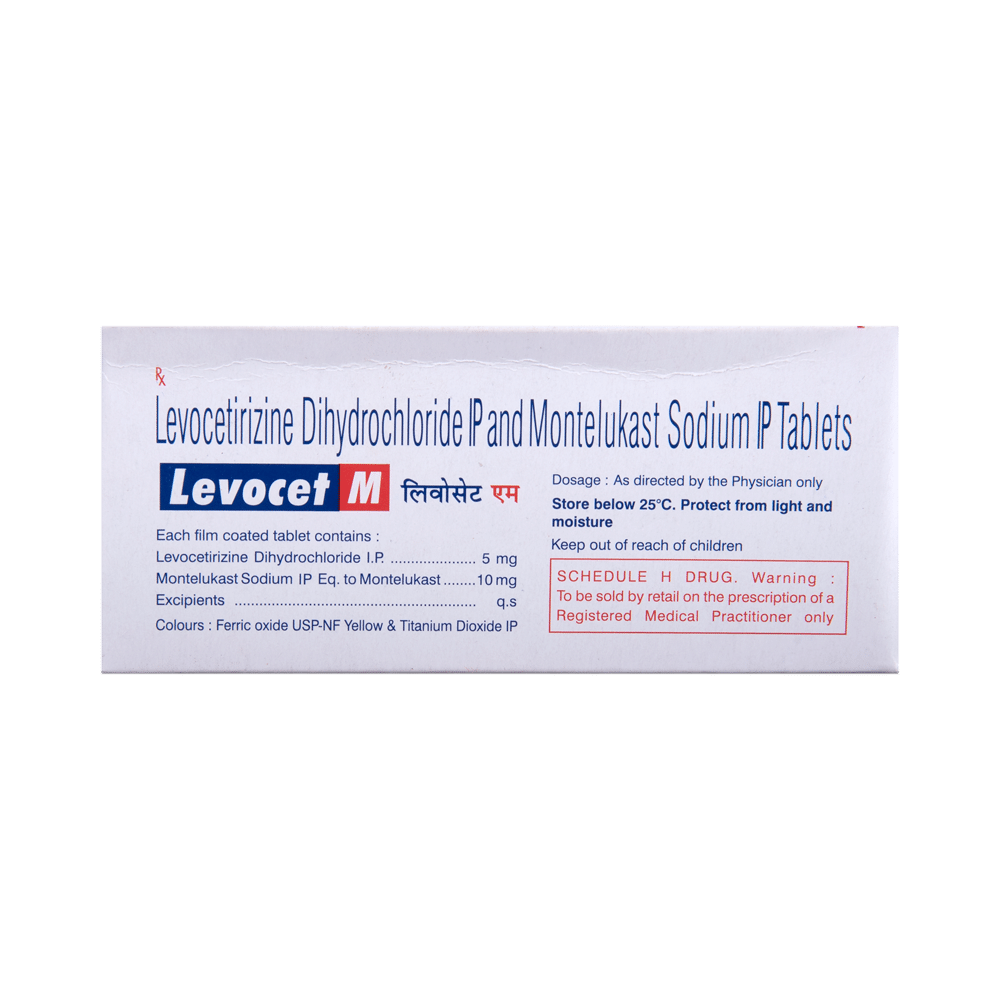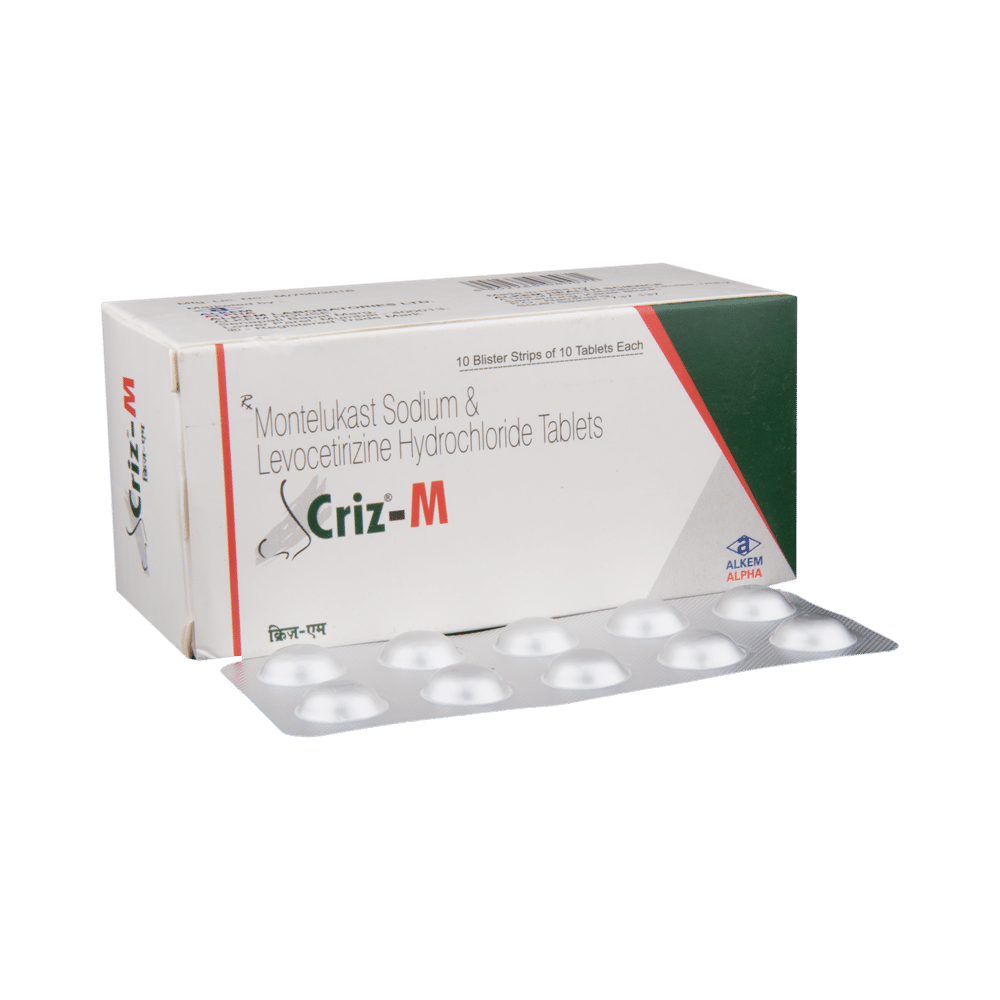

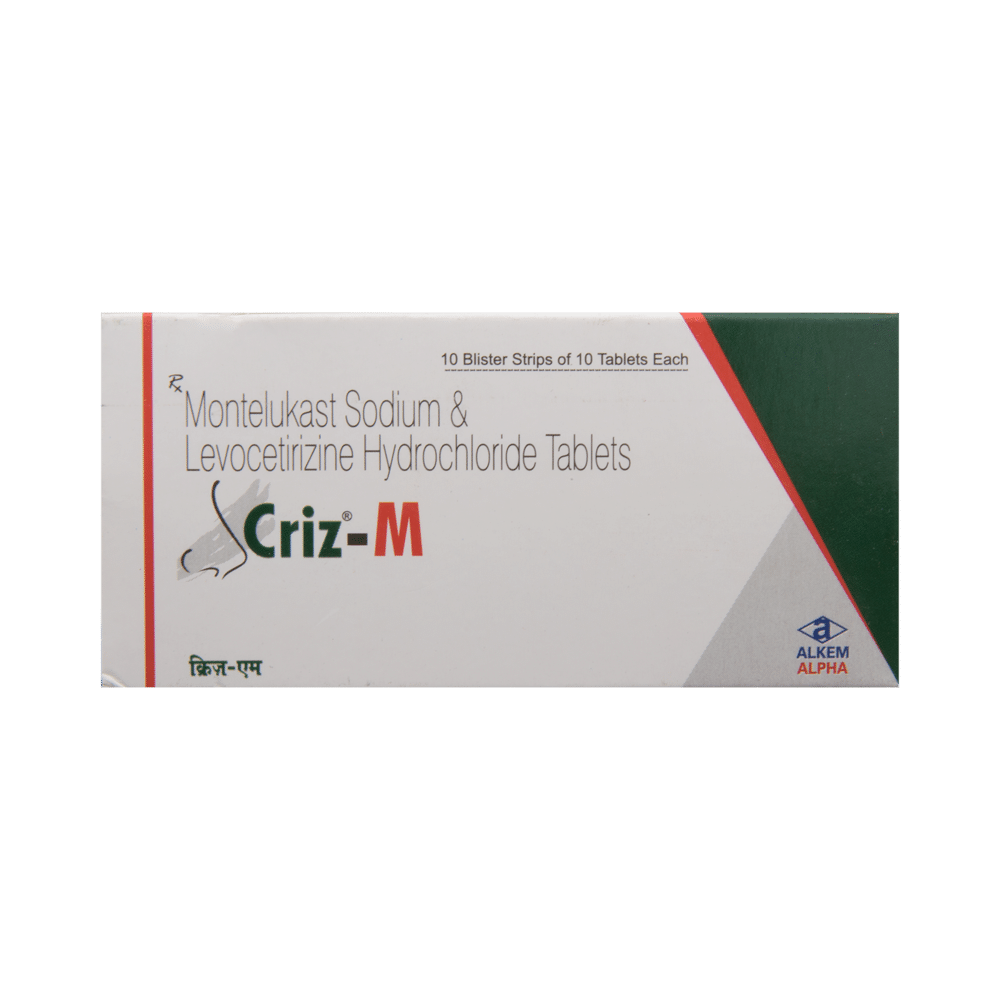

Criz-M Tablet
1 Strip of 10 Tablet.Prescription required
About this product:
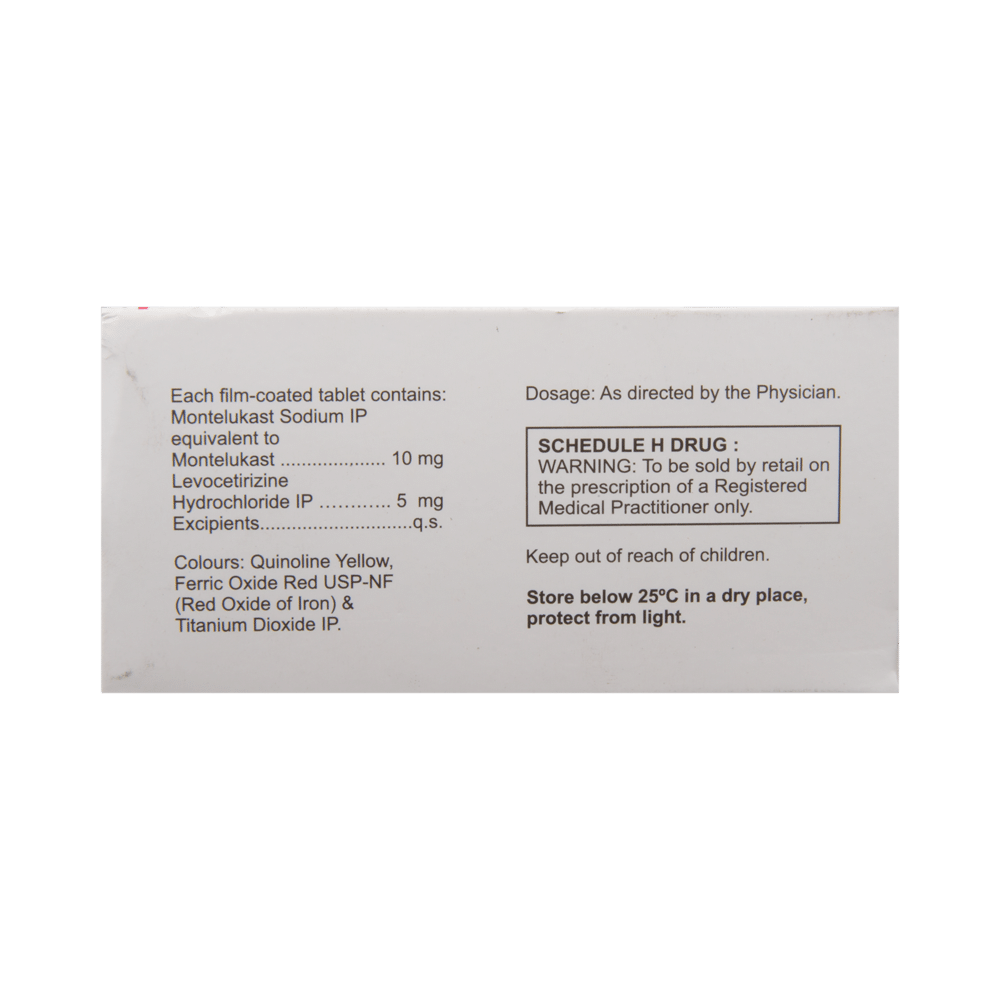
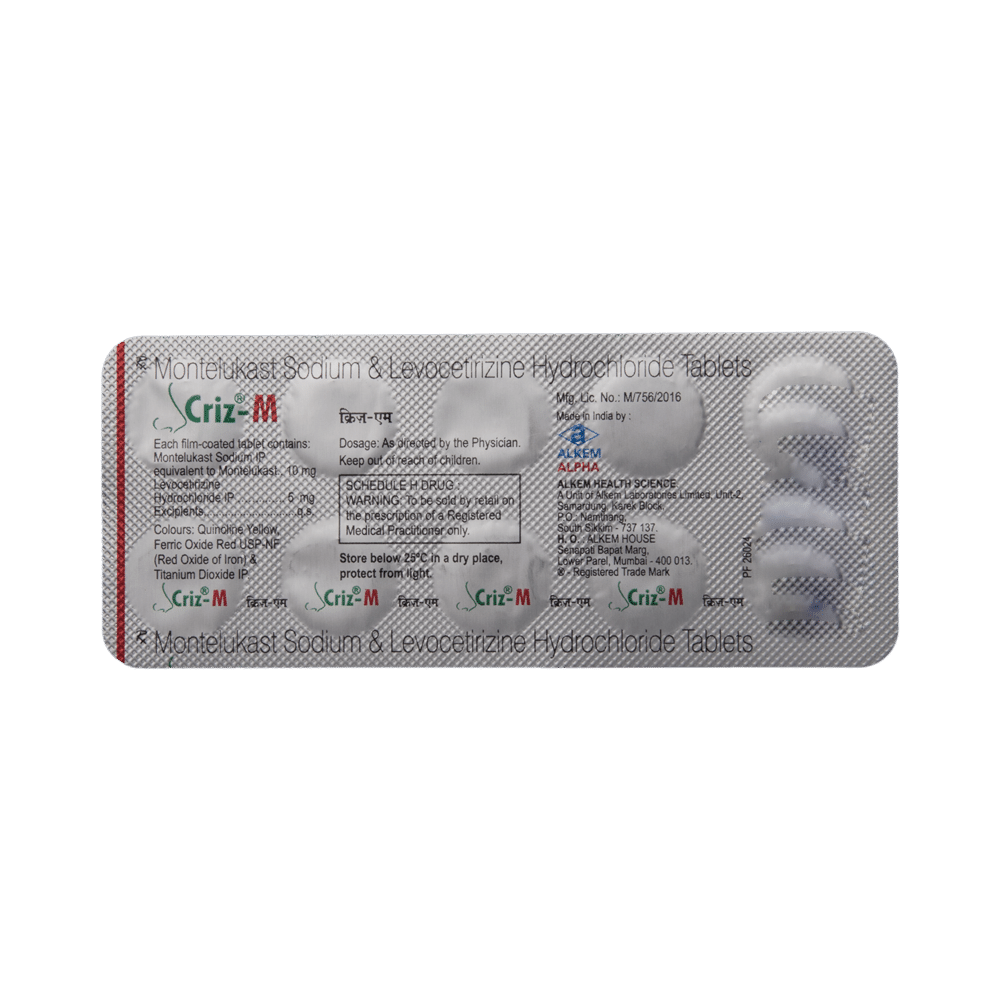
| Salt Composition: | Levocetirizine (5mg) + Montelukast (10mg) |
| Manufacturer: | Alkem Laboratories Ltd |
| Storage: | Below 25 degree celcius |
Out of Stock
Have doubts about this medicine?
Have doubts about this medicine?
Criz-M Tablet is a combination medicine used to treat allergic symptoms such as runny nose, sneezing, itching, swelling, watery eyes, and congestion. Criz-M Tablet is a combination medicine used to alleviate allergic symptoms like runny nose, stuffy nose, sneezing, itching, swelling, watery eyes, and congestion. It also helps reduce inflammation in the airways, making breathing easier. The medicine contains Levocetirizine, an antiallergic that blocks histamine, and Montelukast, a leukotriene antagonist that reduces inflammation. While generally safe, it may cause side effects such as dizziness, sleepiness, and dry mouth. It is important to follow the prescribed dosage and consult a doctor for any concerns, especially during pregnancy and breastfeeding.
Criz-M Tablet is a combination of Levocetirizine and Montelukast. Levocetirizine is an antiallergic that blocks histamine, a chemical messenger responsible for runny nose, watery eyes, and sneezing. Montelukast is a leukotriene antagonist that blocks leukotriene, another chemical messenger, reducing inflammation in the airways and nose.
What is Criz-M Tablet?
Criz-M Tablet is a medication that combines two active ingredients: Montelukast and Levocetirizine. Levocetirizine helps alleviate allergy symptoms such as runny nose, sneezing, watery eyes, and cough by reducing the levels of certain chemicals in the body that cause these symptoms. Montelukast works by blocking another chemical messenger (leukotriene) that contributes to inflammation in the airways and nose, further helping to relieve allergy symptoms.
Can Criz-M Tablet cause drowsiness or sleepiness?
Yes, one of the most common side effects of Criz-M Tablet is drowsiness. To minimize this risk, do not drive, operate heavy machinery, or engage in activities that require your full attention unless advised to do so by your doctor. Avoid consuming alcohol or taking other central nervous system depressants, as well as certain pain relief medicines and sleep aids, which can exacerbate drowsiness.
Can Criz-M Tablet be stopped when allergy symptoms are relieved?
No, it is essential to continue taking Criz-M Tablet as advised by your doctor. If you experience any side effects or if your allergy symptoms worsen, consult your doctor for re-evaluation and guidance.
Can the use of Criz-M Tablet cause dry mouth?
Yes, using Criz-M Tablet can lead to dry mouth. To alleviate this issue, drink plenty of water throughout the day and keep some by your bed at night. You may also use lip balm if your lips become dry.
Can I drink alcohol while taking Criz-M Tablet?
No, it is not recommended to consume alcohol while taking Criz-M Tablet, as it can increase the severity of drowsiness/sleepiness caused by this medication.
Will Criz-M Tablet be more effective if taken in higher doses?
No, taking a higher dose than recommended will not make Criz-M Tablet more effective. Consuming higher doses may lead to increased side effects. If your symptoms worsen, please consult your doctor for re-evaluation.
What are the instructions for storage and disposal of Criz-M Tablet?
To store Criz-M Tablet safely, keep it in its original container or pack, tightly closed. Dispose of any unused medicine according to the instructions on the pack or label, making sure it is not consumed by pets, children, or other people.
Take this medicine in the dose and duration as advised by your doctor. Swallow it as a whole. Do not chew, crush, or break it. Criz-M Tablet may be taken with or without food, but it is better to take it at a fixed time.
- You have been prescribed Criz-M Tablet to help relieve symptoms of allergy such as runny nose, sneezing, watery eyes, and cough.
- Be cautious while driving or doing anything that requires concentration as Criz-M Tablet can cause dizziness and sleepiness.
- Do not drink alcohol while taking Criz-M Tablet as it may cause increased sleepiness.
- Dry mouth may occur as a side effect. Frequent mouth rinses, good oral hygiene, increased water intake, and sugarless candy may help.
- Stop taking Criz-M Tablet at least three days before taking an allergy test as it can affect the test results.

Alcohol
Caution is advised when consuming alcohol with Criz-M Tablet. Please consult your doctor.

Breastfeed
Criz-M Tablet is unsafe to use during breastfeeding. Data suggests that the drug may cause toxicity to the baby.

Pregnancy
Criz-M Tablet is generally considered safe to use during pregnancy. Animal studies have shown low or no adverse effects to the developing baby; however, there are limited human studies.