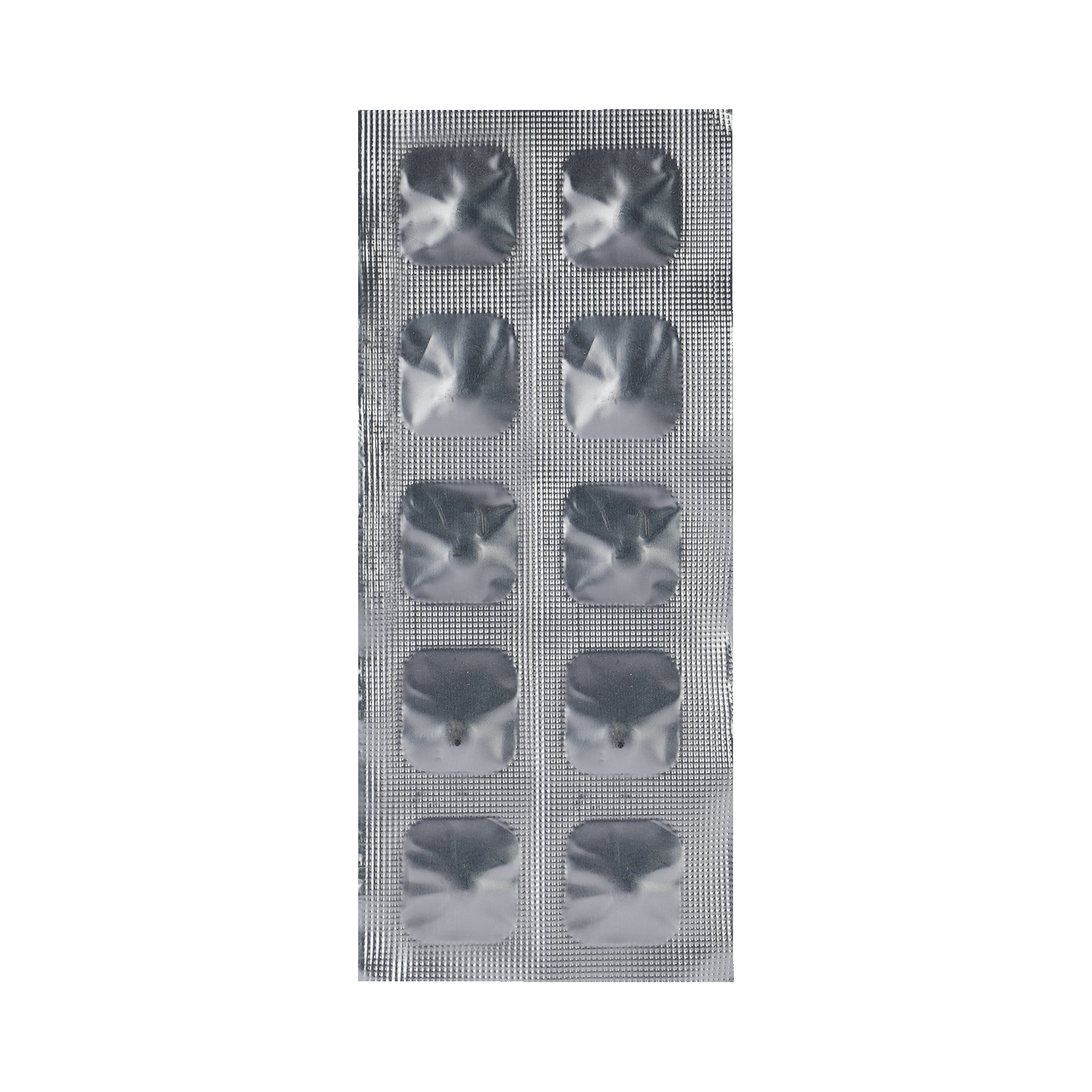
Cadigran 1mg Tablet
strip of 8.0 tablets.Prescription required
About this product:
| Salt Composition: | Granisetron (1mg) |
| Manufacturer: | Cadila Pharmaceuticals Ltd |
| Storage: | Below 25 degree celcius |
Out of Stock
Have doubts about this medicine?
Have doubts about this medicine?
Cadigran 1mg Tablet is an antiemetic medicine commonly used to control nausea and vomiting caused due to any surgery, cancer drug therapy, or radiotherapy. Cadigran 1mg Tablet will not relieve other side effects associated with cancer treatments. It also has little effect on vomiting caused by motion sickness. You should take this medicine in the dose and duration advised by your doctor. But it is better to take this medicine at a fixed time. Remember you should not stop taking this medicine suddenly without talking to your doctor. In case you vomit within one hour of taking a dose then take another dose and avoid heavy meals throughout the day. The most common side effects of taking this medicine include headache, constipation, diarrhea, and weakness. Dizziness and sleepiness may also occur so do not drive or do anything that requires mental focus until you know how this medicine affects you. These symptoms should disappear when you stop taking the medicine but if they bother you or do not go away your doctor may be able to suggest ways of preventing or reducing them.
Cadigran 1mg Tablet is an antiemetic medication. It works by blocking the action of a chemical messenger (serotonin) in the brain that may cause nausea and vomiting during anti-cancer treatment (chemotherapy) or after surgery.
What is Cadigran 1mg Tablet used for?
Cadigran 1mg Tablet is an antiemetic medicine indicated for the treatment and prevention of nausea or vomiting associated with surgical procedures, certain medications, stomach upset, or cancer treatments. It also helps prevent nausea caused by motion sickness to a degree.
What are the side effects of Cadigran 1mg Tablet?
Common side effects of Cadigran 1mg Tablet include drowsiness, weakness, headache, constipation, and diarrhea. However, these usually subside on their own without causing significant issues. If you experience any concerning symptoms or they persist longer than usual, please contact your doctor for advice. They will suggest ways to manage these side effects and prevent them in future.
Is Cadigran 1mg Tablet safe for use during pregnancy?
Animal studies haven't shown any adverse effects of Cadigran 1mg Tablet. However, its safety and effectiveness in pregnant women remain unknown. Therefore, it is not recommended for use in women who are pregnant or planning to conceive without a doctor's prescription.
Is Cadigran 1mg Tablet better than Ondansetron?
Cadigran 1mg Tablet and Ondansetron belong to the same class of medications, which are serotonin 5-HT3 receptor antagonists. Both are effective in preventing nausea and vomiting. However, some studies suggest that Cadigran 1mg Tablet might be more effective than Ondansetron. It is believed to be quicker acting and provides relief from nausea and vomiting faster compared to Ondansetron.
Does Cadigran 1mg Tablet cause constipation?
Yes, Cadigran 1mg Tablet may lead to constipation as a common side effect. This is usually not severe or troublesome. Consuming fiber-rich foods can help improve digestion and reduce the risk of constipation. You might also consider using laxatives for relief and drinking plenty of water. Avoid alcohol consumption as it could worsen constipation. In case you continue to experience issues, please consult your doctor for suitable treatment options.
Take this medicine in the dose and duration as advised by your doctor. Swallow it as a whole. Do not chew, crush or break it. Cadigran 1mg Tablet may be taken with or without food but it is better to take it at a fixed time.
- You have been prescribed Cadigran 1mg Tablet for prevention of nausea and vomiting caused after surgery or due to chemotherapy and radiotherapy.
- It is fast-acting and starts working within 30 minutes.
- If you vomit within one hour of taking a dose take another dose.
- Avoid heavy meals and try eating small nourishing snacks throughout the day. Also sip water regularly to help avoid dehydration.
- Headache
- Constipation
- Diarrhea
- Weakness
- Dizziness
- Sleepiness

Alcohol
It is not known whether it is safe to consume alcohol with Cadigran 1mg Tablet. Please consult your doctor.

Breastfeed
Cadigran 1mg Tablet is probably safe to use during breastfeeding. Limited human data suggests that the drug does not represent any significant risk to the baby.

Pregnancy
Cadigran 1mg Tablet is generally considered safe to use during pregnancy. Animal studies have shown low or no adverse effects to the developing baby; however, there are limited human studies.