Azerin 10 Cream
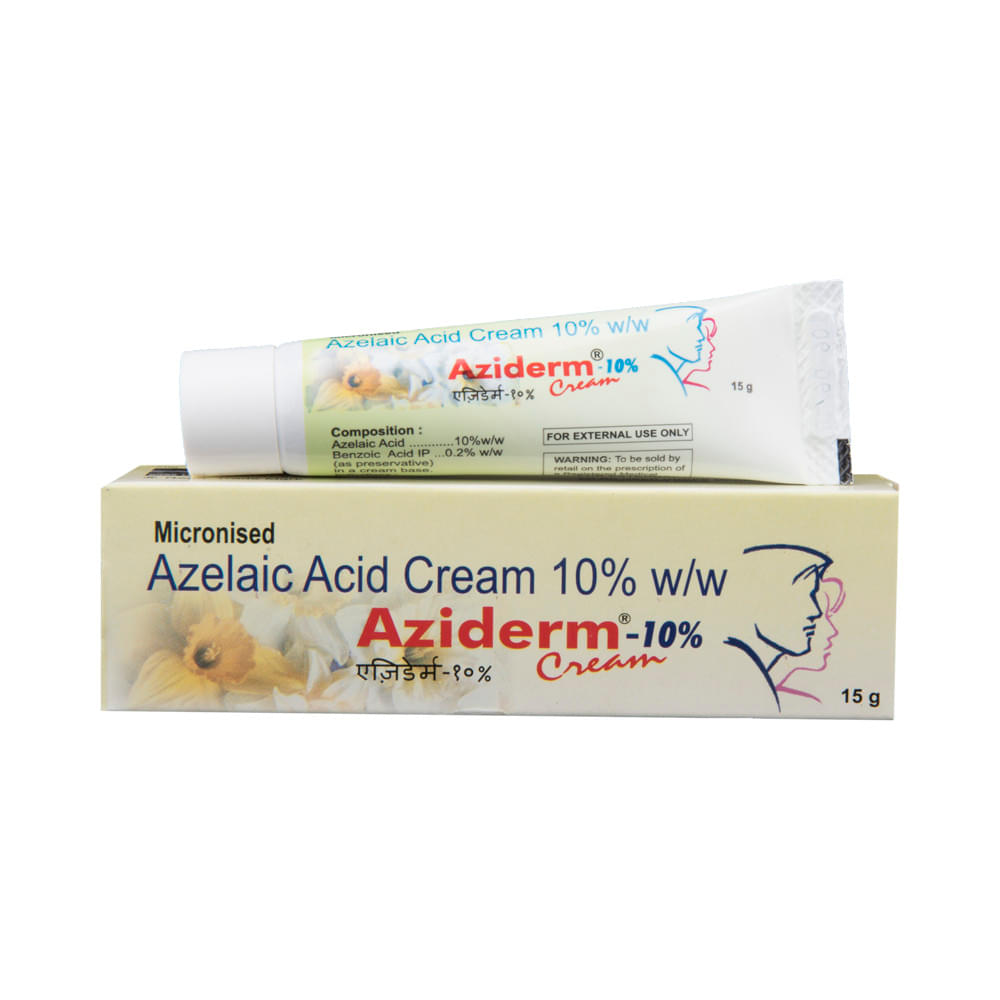
tube of 15.0 gm Cream.Prescription required
About this product:
| Salt Composition: | Azelaic Acid (10% w/w) |
| Manufacturer: | Elixir Pharma |
| Storage: | Below 25 degree celcius |
Out of Stock
Have doubts about this medicine?
Have doubts about this medicine?
Azerin 10 Cream is used in the treatment of acne (pimples). It effectively relieves symptoms such as lumps, redness, and swelling associated with different forms of acne. Azerin 10 Cream is for external use only. You should always use it exactly as prescribed. Both the affected area and your hands should be clean and dry before application. Use this medicine regularly to get the most benefit from it. Do not use more than you need as it will not clear your condition faster and some side effects may be increased. If your condition goes on for longer than four weeks or gets worse at any time, let your doctor know. You can help this medication work better by keeping the affected areas clean. Azerin 10 Cream has a few potential side effects but not everyone will get them. These include application site reactions like burning, irritation, itching, and redness. Let your doctor know if you’re bothered by these or they do not go away. Avoid getting the medicine in your eye. In case of accidental contact, rinse thoroughly with water. If you are pregnant, breastfeeding, or plan to become pregnant, you should consult your doctor before using this medicine.
Azelaic acid works by killing the acne-causing bacteria and reduces inflammation (redness and swelling) of the skin.
What amount of Azerin 10 Cream should be applied?
Use exactly as recommended by your healthcare provider. If the entire face is affected, apply approximately 2.5 cm (about 0.5 g) of cream each time. Adjust the amount based on the specific areas of acne on your body.
How long does Azerin 10 Cream take to show complete effect?
The time needed for Azerin 10 Cream to demonstrate results varies from person to person. It depends on the severity of initial acne. You may start seeing noticeable improvement after about four weeks. However, your doctor may advise using Azerin 10 Cream regularly for several months to achieve best outcomes. Be advised that use of Azerin 10 Cream should not exceed 12 months at any time.
Does Azerin 10 Cream lighten skin?
Azerin 10 Cream may cause change in skin color, particularly if you have darker skin. If you notice any changes to your skin color, seek advice from your doctor immediately.
Does Azerin 10 Cream help blackheads?
Azerin 10 Cream works by eliminating the bacteria (Propionibacterium acnes) that causes acne. It also reduces the growth of hard outer skin cells which block pores, leading to blackheads and whiteheads.
How should Azerin 10 Cream be applied?
Before applying Azerin 10 Cream, thoroughly wash the area with water. If the skin is greasy, use a mild cleanser. After washing, dry the skin before applying the cream. Gently rub it in and wash your hands thoroughly after use.
How often should Azerin 10 Cream be used?
Azerin 10 Cream should be applied to affected skin twice daily (morning and evening) unless otherwise directed by your healthcare provider. People with sensitive skin may begin using it once a day in the evening during the first week of treatment. After the initial week, they can proceed to applying twice daily.
Can Azerin 10 Cream be used to treat melasma?
Azerin 10 Cream is not FDA-approved for treating melasma. It's intended for acne and rosacea (a skin condition causing redness, flushing and pimples on the face). However, your doctor may advise its use for melasma if prescribed.
This medicine is for external use only. Use it in the dose and duration as advised by your doctor. Check the label for directions before use. Clean and dry the affected area and apply the cream. Wash your hands after applying unless hands are the affected area.
- Apply it precisely only over the affected area. If irritation happens, stop using it and consult your doctor.
- If you have sensitive skin, you should apply Azelaic acid only once a day for the first week of treatment and then proceed to twice daily applications.
- Before applying the cream/gel, clean the skin thoroughly with plain water and make it dry.
- Avoid contact with eyes, mouth or other inner skin layers (mucous membranes). In case of accidental contact, wash immediately with large amounts of cold water.
- Inform your doctor if you are pregnant, planning pregnancy or breastfeeding.
- No common side effects listed.

Alcohol
No interaction found/established

Breastfeed
Azerin 10 Cream is probably safe to use during breastfeeding. Limited human data suggests that the drug does not represent any significant risk to the baby.

Pregnancy
Azerin 10 Cream is generally considered safe to use during pregnancy. Animal studies have shown low or no adverse effects to the developing baby; however, there are limited human studies.