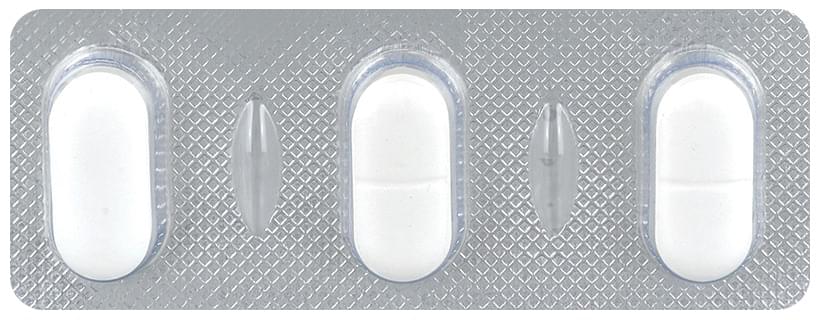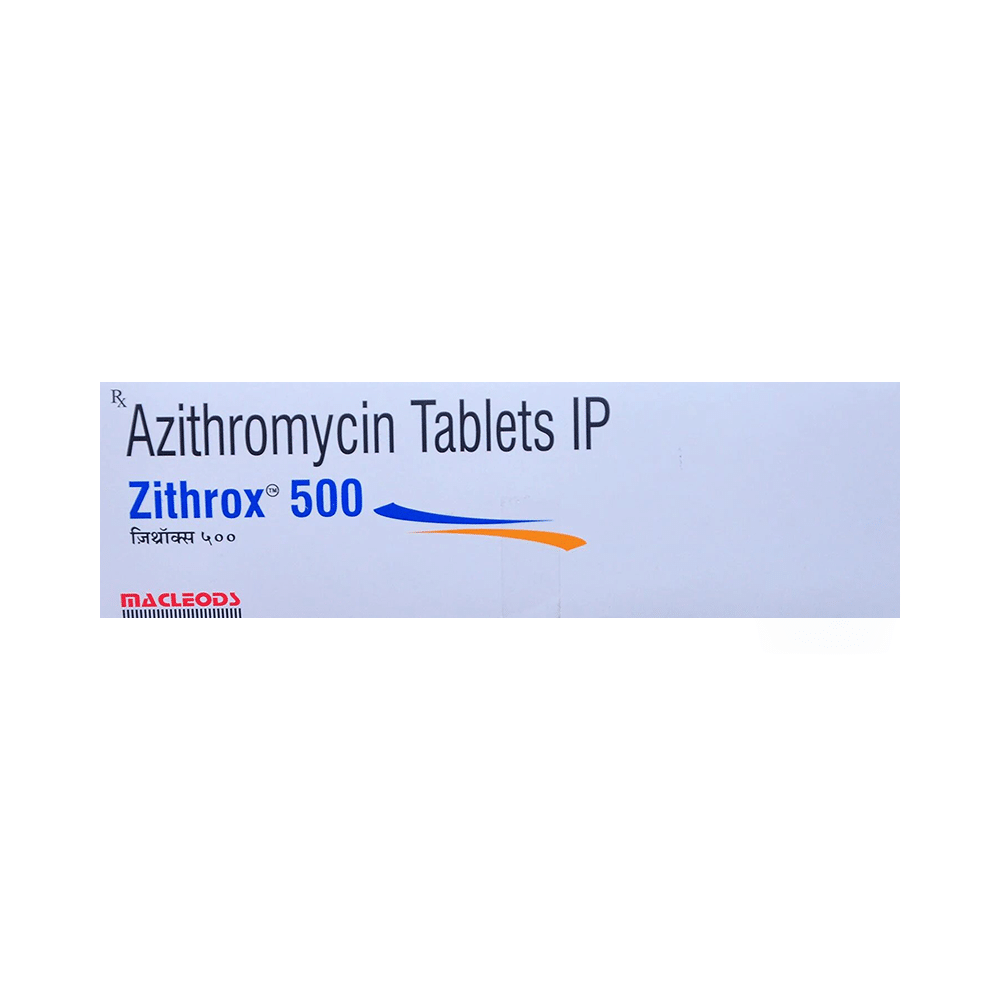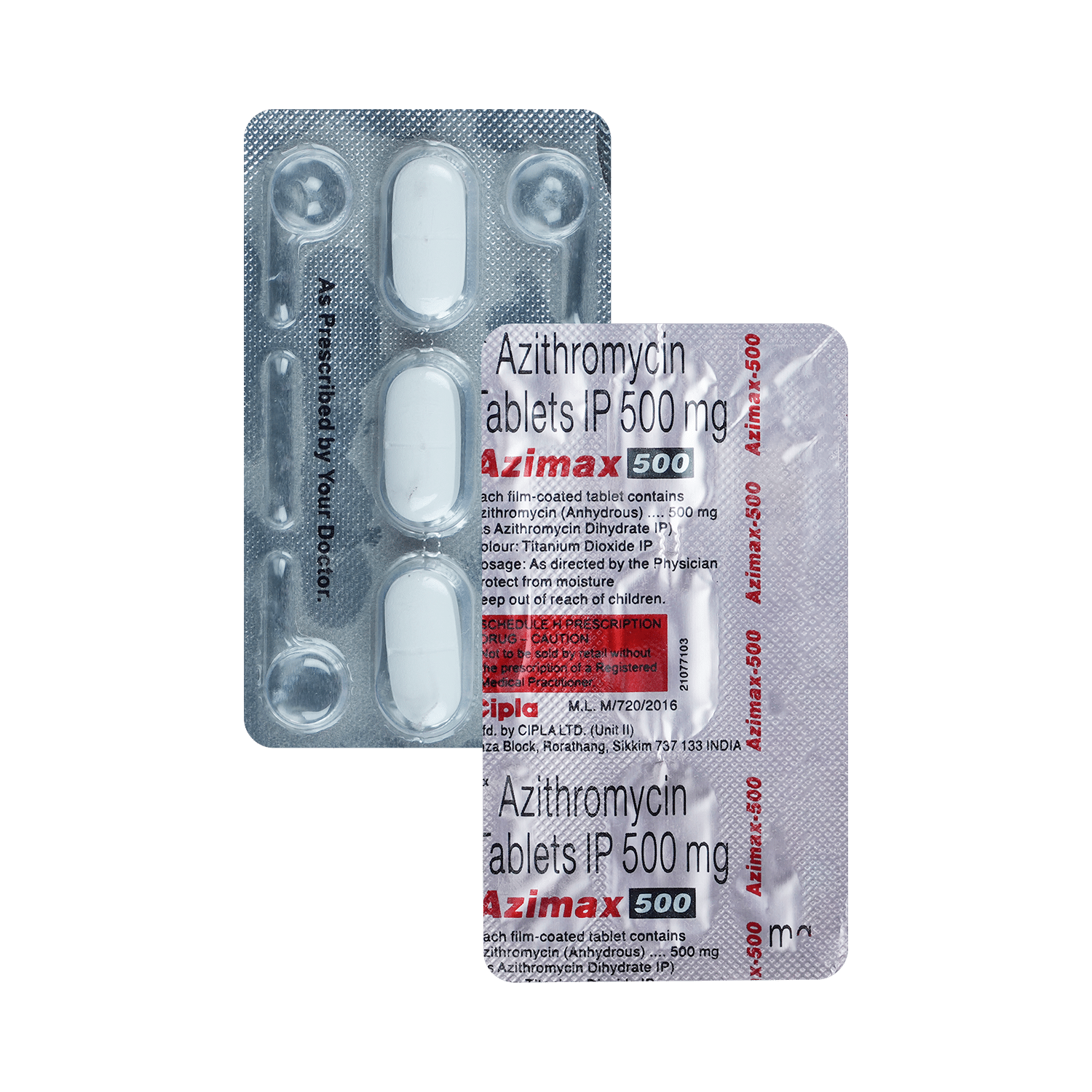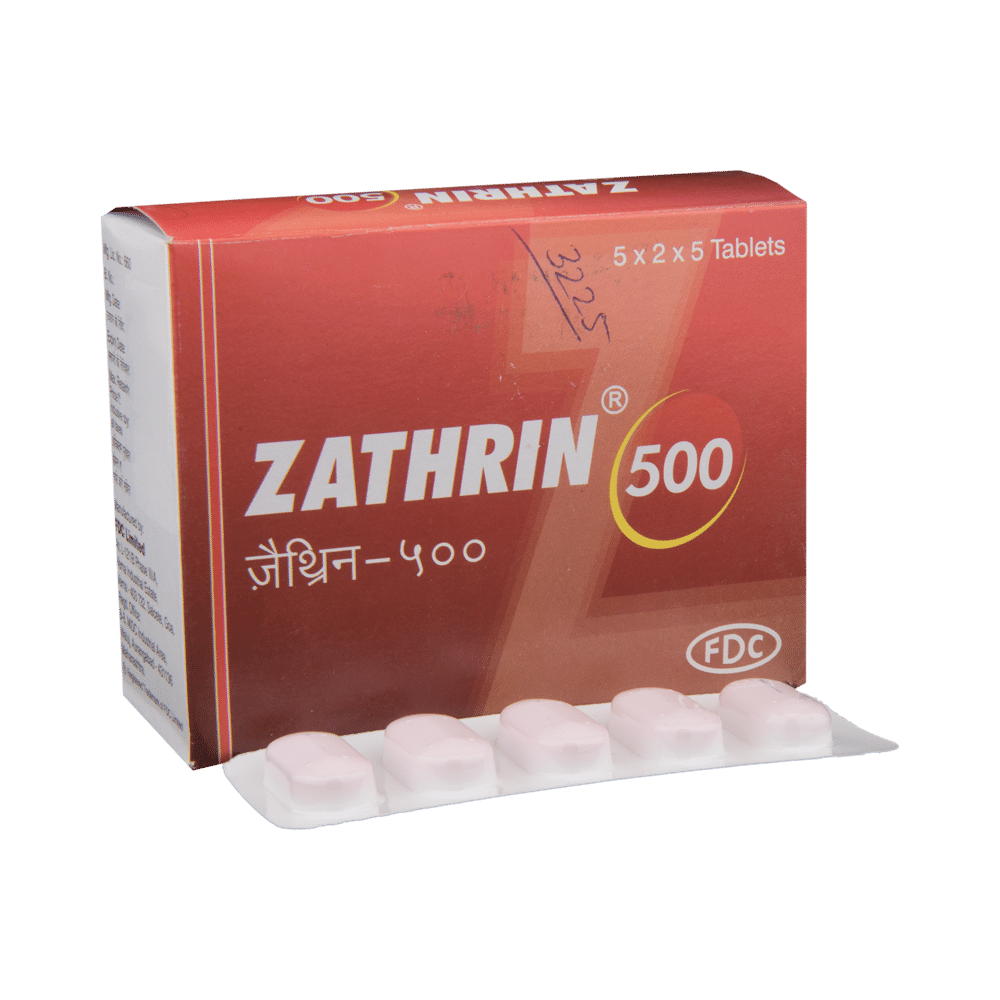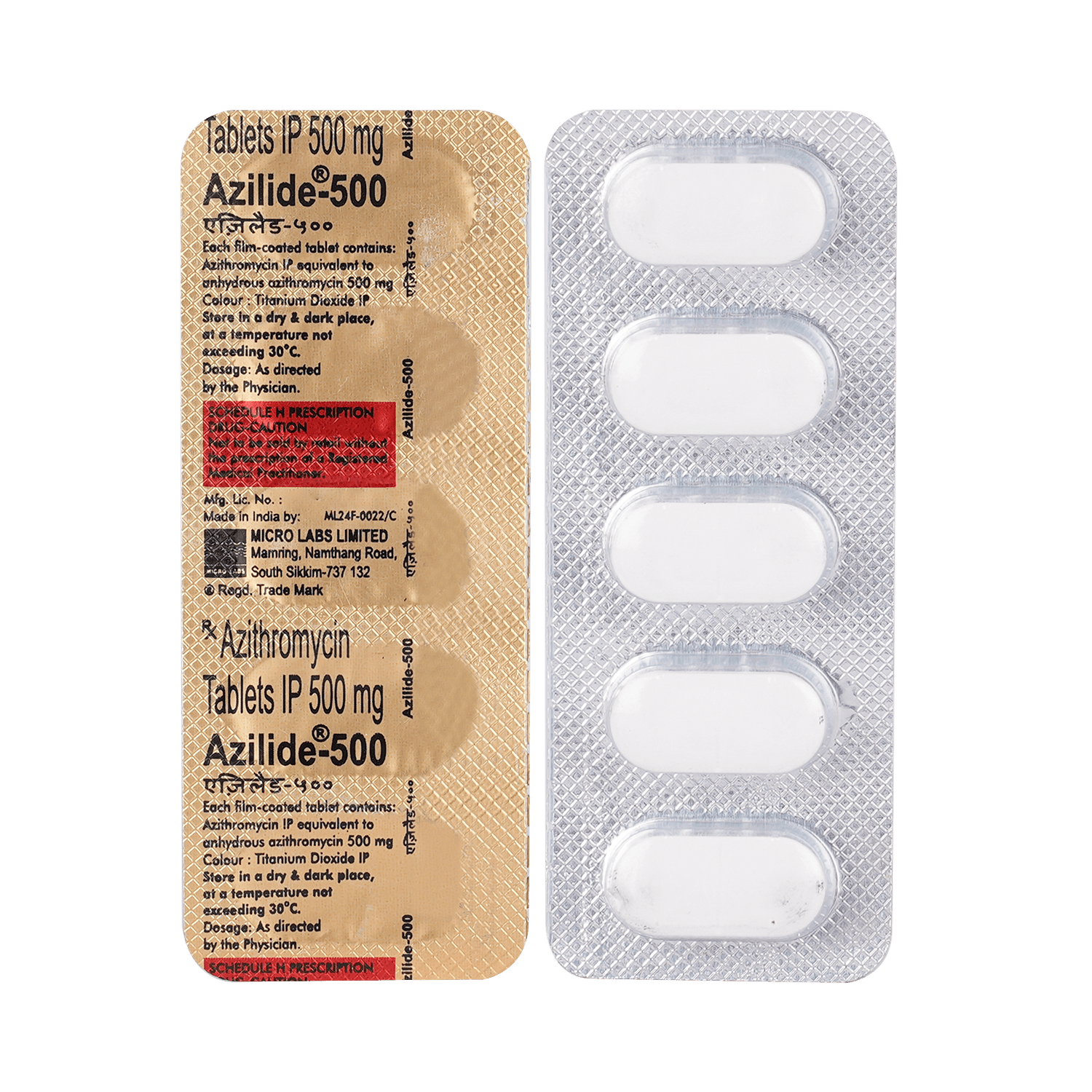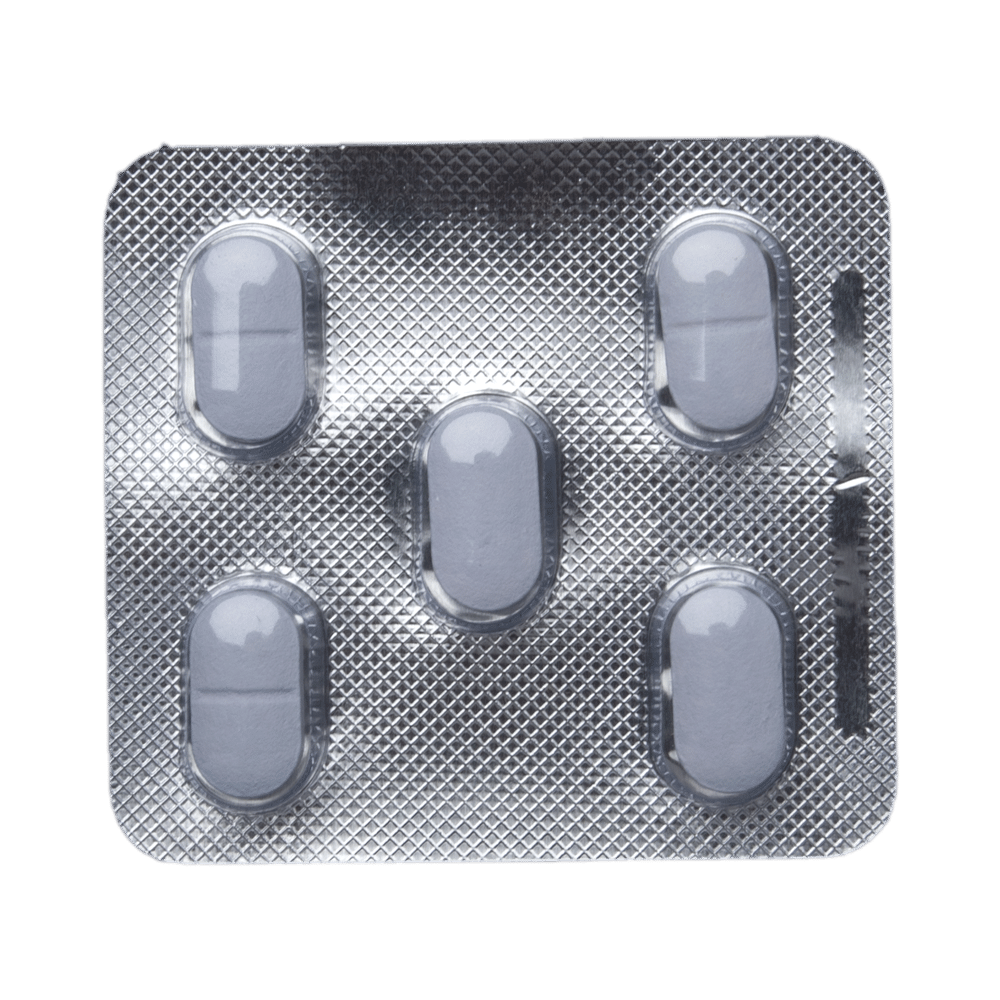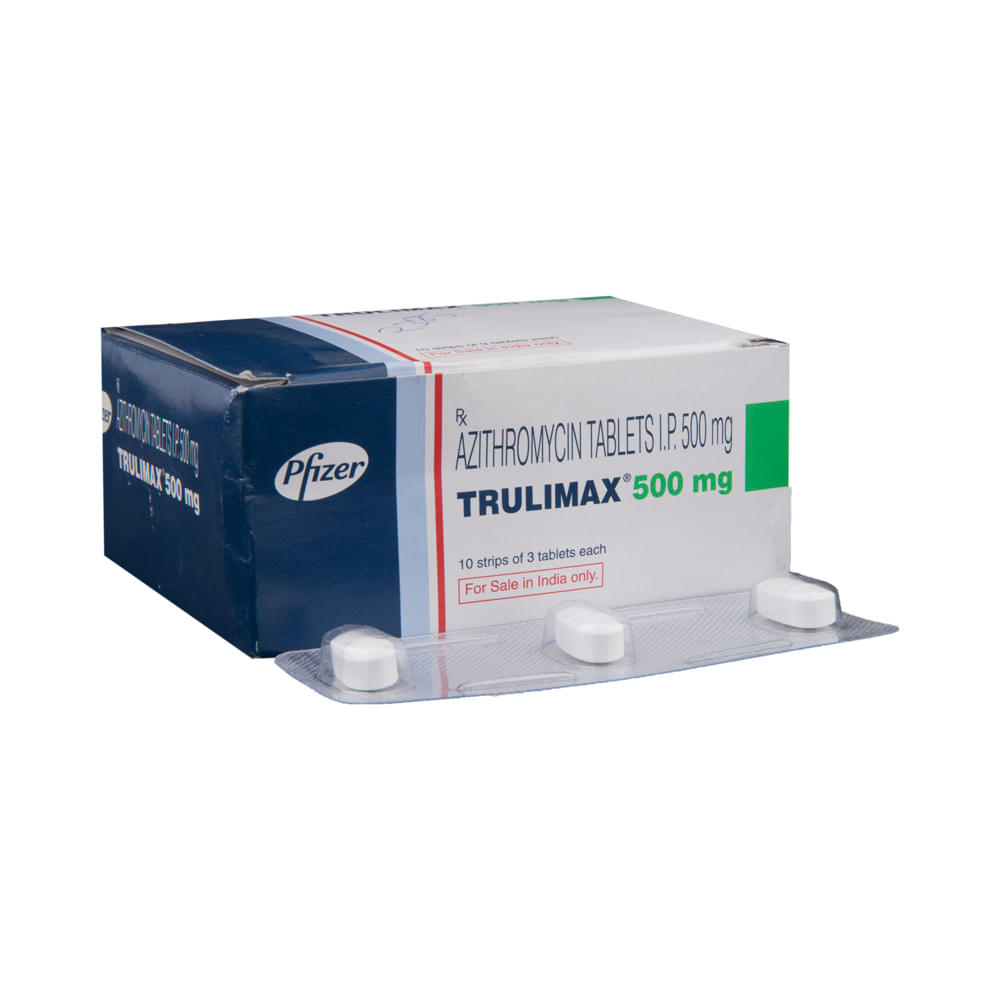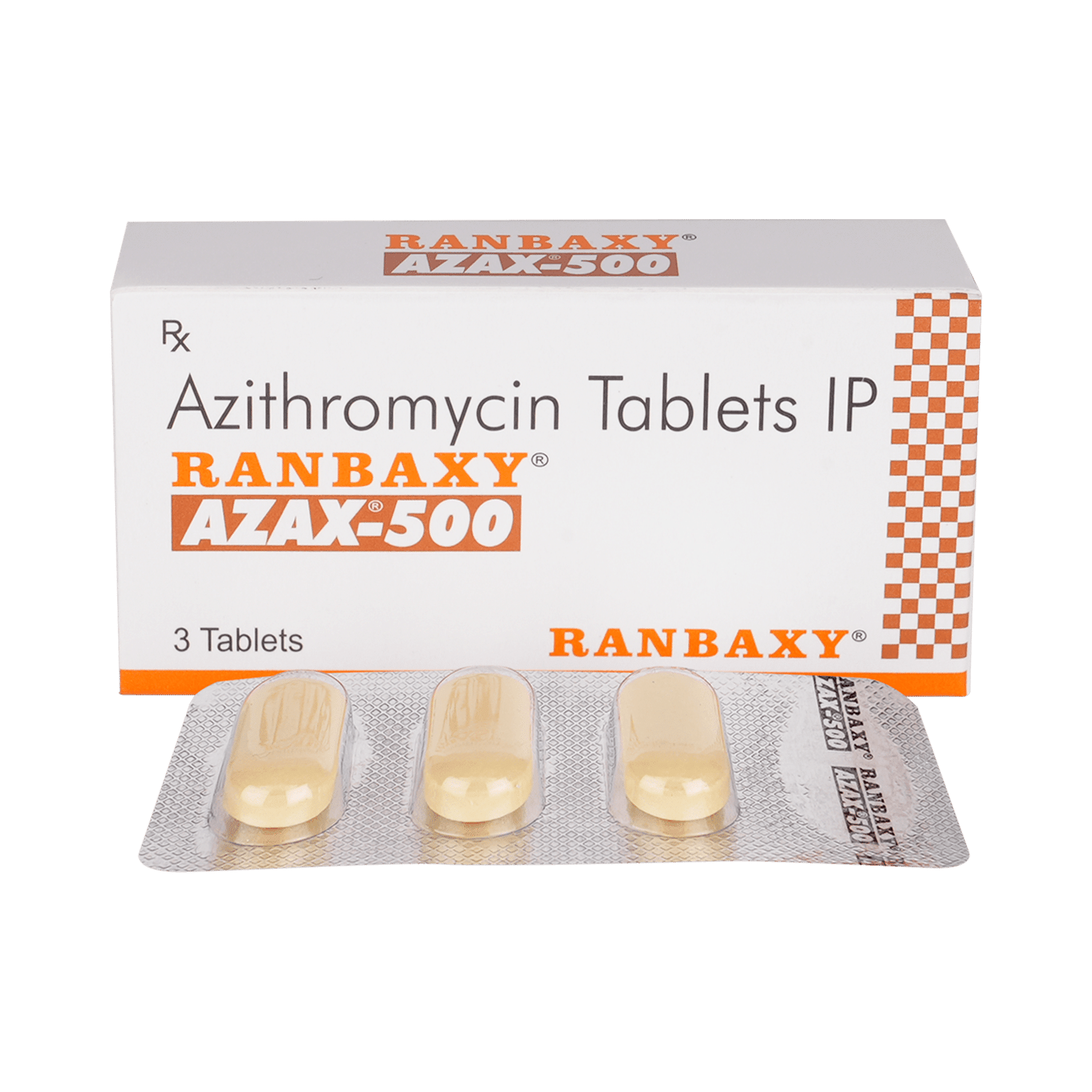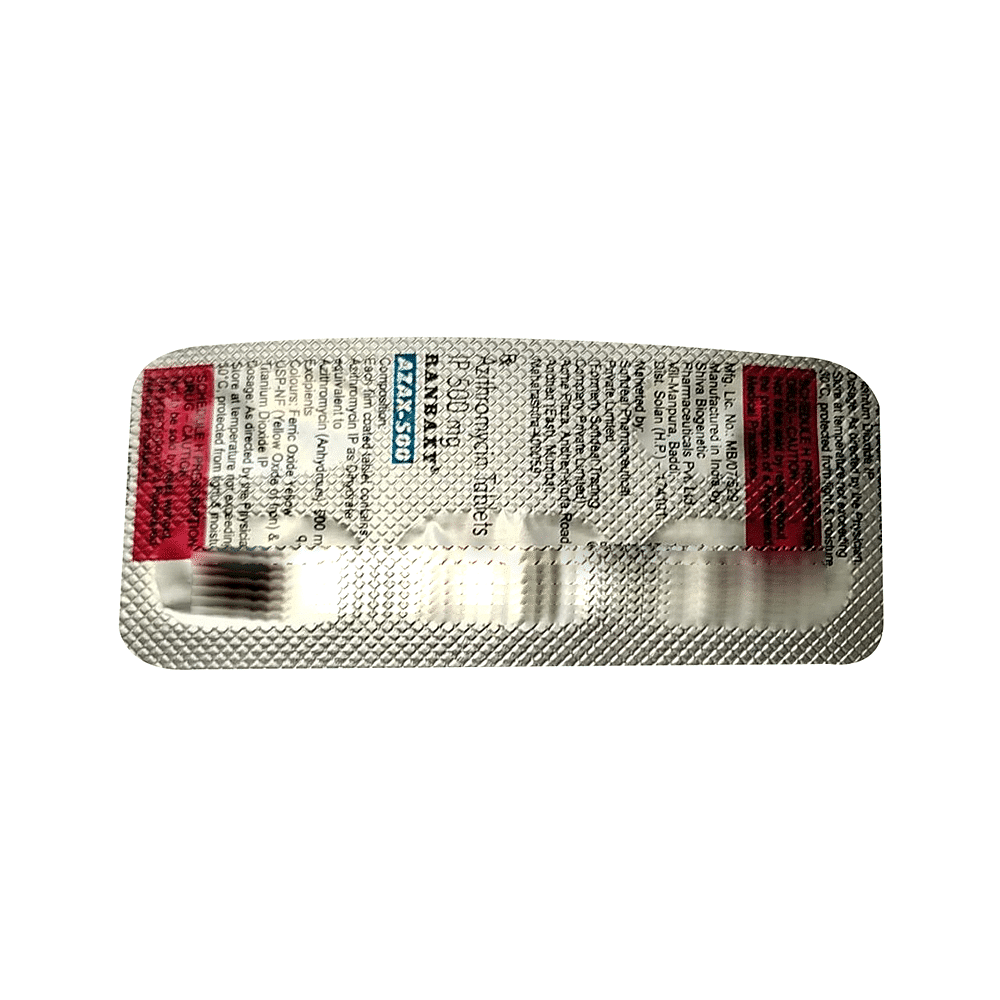
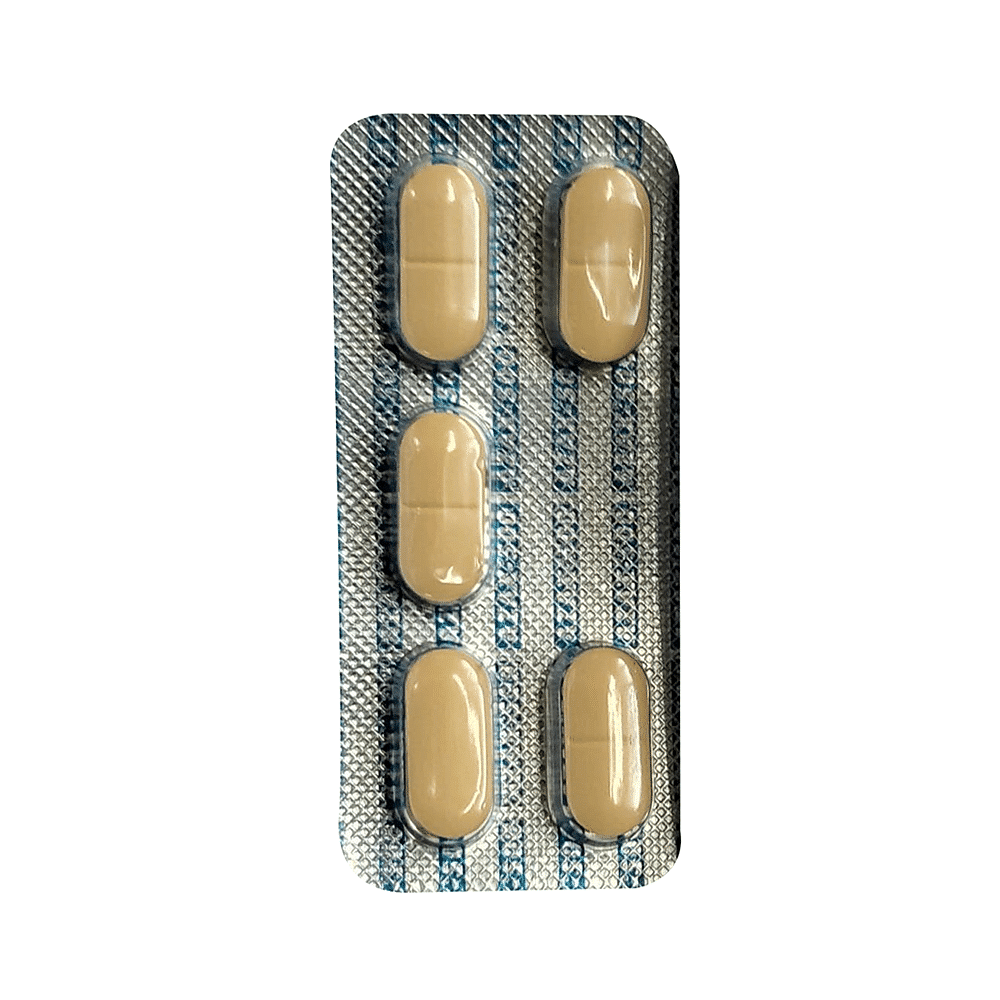
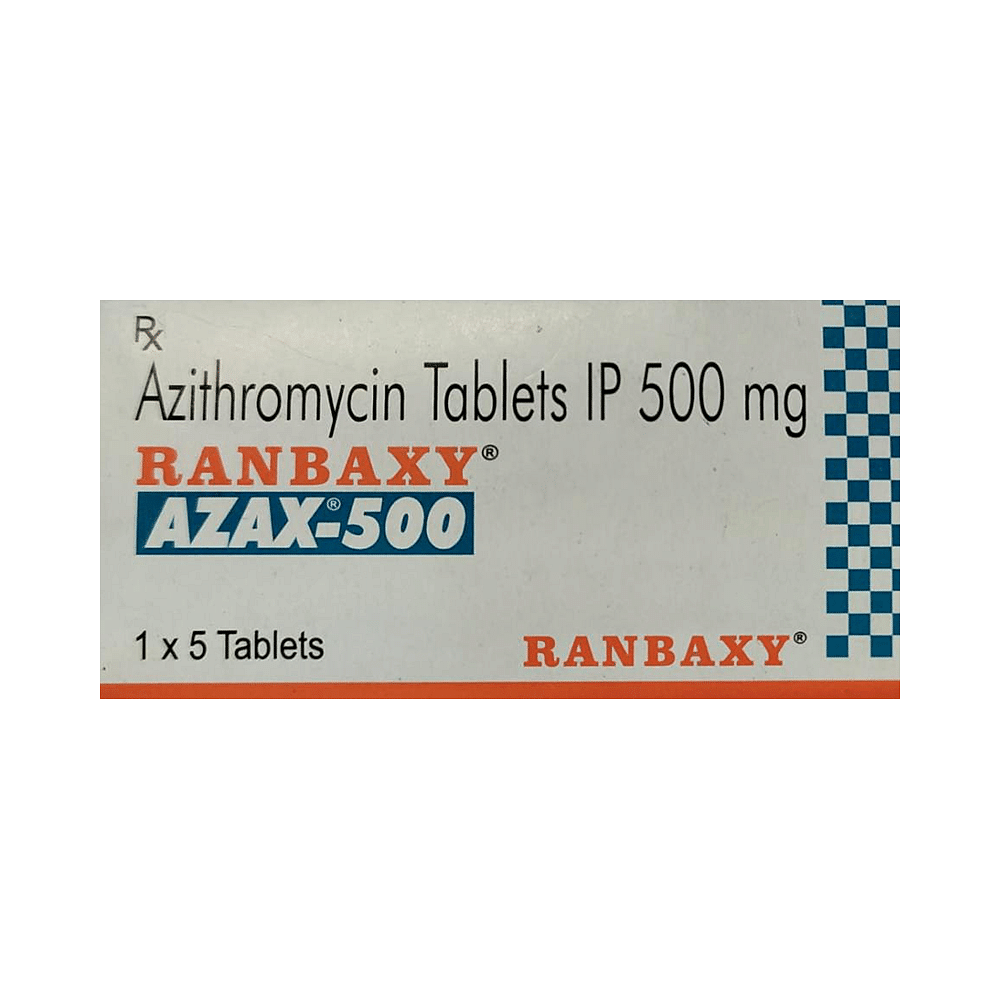
Azax 500 Tablet
1 Strip of 5 Tablet.Prescription required
About this product:
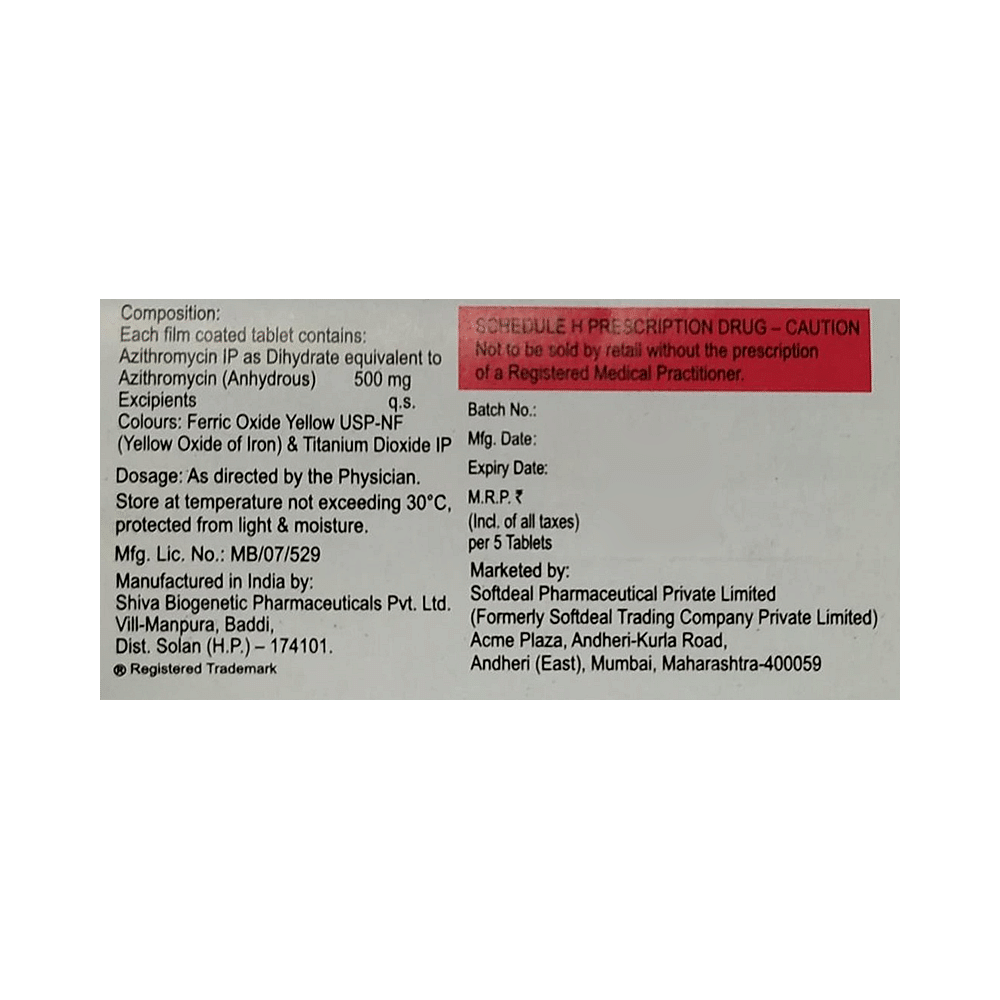
| Salt Composition: | Azithromycin (500mg) |
| Manufacturer: | Sun Pharmaceutical Industries Ltd |
| Storage: | Below 25 degree celcius |
Out of Stock
Have doubts about this medicine?
Have doubts about this medicine?
Azax 500 Tablet is an antibiotic used to treat various types of bacterial infections of the respiratory tract, ear, nose, throat, lungs, skin, and eye in adults and children. Azax 500 Tablet is an antibiotic used to treat various types of bacterial infections of the respiratory tract, ear, nose, throat, lungs, skin, and eye in adults and children. It is also effective in typhoid fever and some sexually transmitted diseases like gonorrhea.
Azax 500 Tablet is an antibiotic. It works by preventing synthesis of essential proteins required by bacteria to carry out vital functions. Thus, it stops the bacteria from growing and prevents the infection from spreading.
Is Azax 500 Tablet safe?
Azax 500 Tablet is generally safe when taken at prescribed doses and as advised by your doctor. However, like all medications, potential side effects may occur.
What if I don't get better?
If you do not notice any improvement in your symptoms after 3 days of taking Azax 500 Tablet, inform your doctor immediately. It is crucial to discuss any worsening symptoms with your healthcare provider as well.
Can the use of Azax 500 Tablet cause diarrhea?
Yes, some individuals may experience diarrhea while taking Azax 500 Tablet. This is because it can affect both harmful and beneficial bacteria in your stomach or intestines. If you experience severe diarrhea, consult with your doctor.
Can Azax 500 Tablet be taken at night?
Azax 500 Tablet is usually prescribed once daily. You can take it at any time of the day; however, remember to take it at the same time each day for consistent effectiveness. The medication should be taken 1 hour before meals or 2 hours after eating. It can be taken with or without food.
How long does it take Azax 500 Tablet to work?
Azax 500 Tablet generally starts working within a few hours of taking it, but significant improvement may not be immediate. Do not stop taking the medicine without completing your prescribed course as advised by your doctor.
Why is Azax 500 Tablet given for 3 days?
The duration of treatment depends on the specific bacterial infection and age. Typically, a single dose of 500 mg is administered for 3 days in most cases. However, your doctor may prescribe a different regime based on your individual situation. Always follow the prescribed instructions.
What should I avoid while taking Azax 500 Tablet?
It's advisable to avoid mixing Azax 500 Tablet with antacids as they can hinder its effectiveness. Additionally, exposure to sunlight or tanning beds may increase the risk of sunburn when using this medication.
Is Azax 500 Tablet a strong antibiotic?
Azax 500 Tablet is an effective antibiotic used for various bacterial infections. It has a longer half-life compared to some other antibiotics, meaning its effects linger in the body for longer.
Can you get a yeast infection from taking Azax 500 Tablet?
Some individuals may develop a fungal or yeast infection known as thrush after using Azax 500 Tablet. Antibiotics like Azax 500 can disrupt the balance of 'good' bacteria in your gut that help prevent thrush. Seek medical attention if you experience vaginal itching, discharge, a white patch in your mouth or tongue, or any other concerning symptoms.
Take this medicine in the dose and duration as advised by your doctor. Swallow it as a whole. Do not chew, crush or break it. Azax 500 Tablet may be taken with or without food but it is better to take it at a fixed time.
- Do not skip any doses and finish the full course of treatment even if you feel better. Stopping it early may make the infection to come back and harder to treat.
- Take it 1 hour before or two hours after food.
- Do not take antacids 2 hours before or after taking Azax 500 Tablet.
- Diarrhea may occur as a side effect but should stop when your course is complete. Inform your doctor if it doesn't stop or if you find blood in your stools.
- Stop taking Azax 500 Tablet and inform your doctor immediately if you develop an itchy rash, swelling of the face, throat or tongue or breathing difficulties while taking it.

Alcohol
It is unsafe to consume alcohol with Azax 500 Tablet.

Breastfeed
Azax 500 Tablet is safe to use during breastfeeding. Human studies suggest that the drug does not pass into the breastmilk in a significant amount and is not harmful to the baby. There may be a possibility of diarrhea or rash in the baby.

Pregnancy
Azax 500 Tablet is generally considered safe to use during pregnancy. Animal studies have shown low or no adverse effects to the developing baby; however, there are limited human studies.