Acnesol 1% Solution
1 Bottle of 25 Ml
About this product:
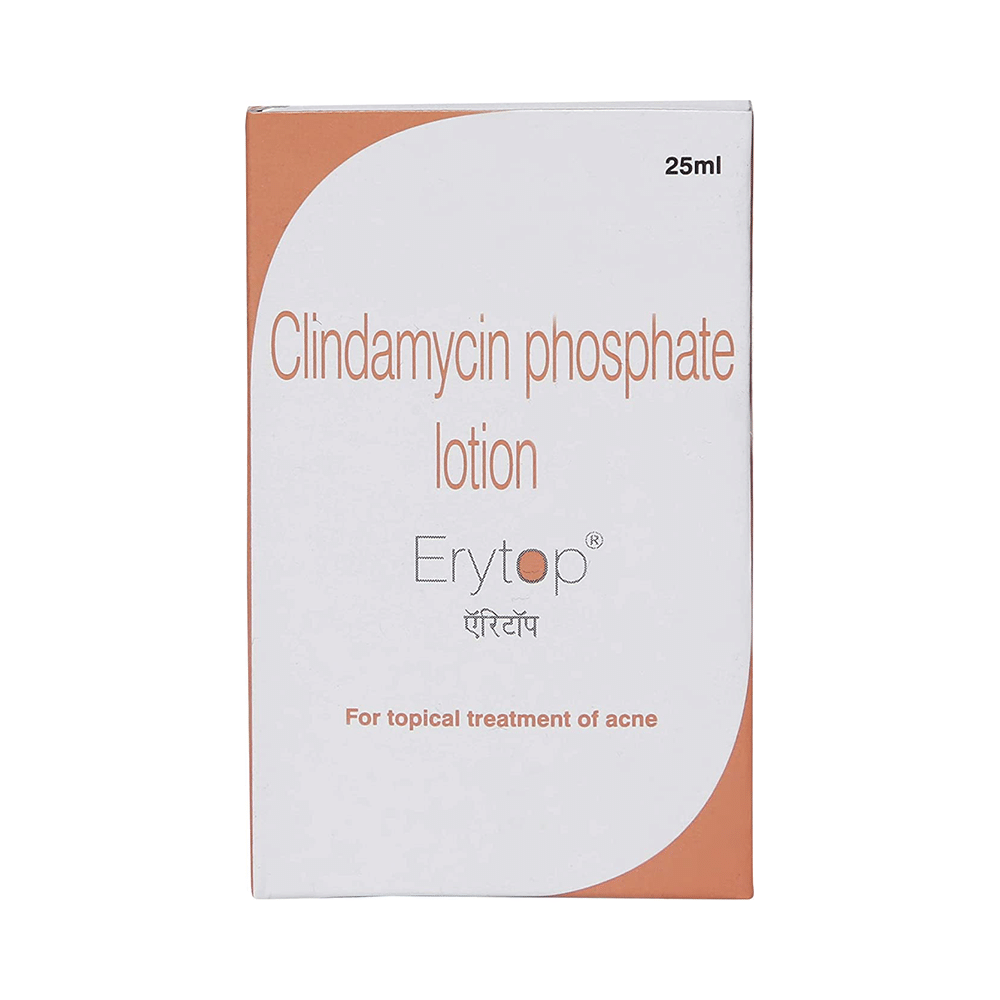
| Salt Composition: | Clindamycin (1%w/v) |
| Manufacturer: | Systopic Laboratories Pvt Ltd |
| Storage: | Below 25 degree celcius |
Out of Stock
Have doubts about this medicine?
Have doubts about this medicine?
Acnesol 1% solution is an antibiotic that fights bacteria, used to treat acne, which appears as spots or pimples on your face, chest, or back. Acnesol 1% solution is an antibiotic that fights bacteria. It is used to treat acne, which appears as spots or pimples on your face, chest, or back. This medicine works by attacking the bacteria that cause these pimples.
Acnesol 1% solution is an antibiotic. It works by preventing synthesis of essential proteins required by bacteria to carry out vital functions. Thus, it stops the bacteria from growing and prevents the infection from spreading.
How to use Acnesol 1% solution?
Before using Acnesol 1% solution, clean and dry the affected area. Gently massage it into the skin. Avoid getting the medication in your eyes or mouth. If Acnesol 1% solution gets into your eyes, rinse with plenty of water immediately and contact your doctor if you experience irritation.
How long should I use Acnesol 1% solution?
Use Acnesol 1% solution for as long as your doctor advises. You may need to use it for several months to clear your acne completely. Even the initial benefits may take several weeks to appear following which you shall be able to note a gradual but definite improvement. Usually, Acnesol 1% solution should be used for a maximum of 12 weeks. You may need more than one tube of Acnesol 1% solution during each course of treatment.
What does Acnesol 1% solution do for acne?
Acnesol 1% solution treats and prevents acne by stopping the growth of bacteria (Propionibacterium acnes) which causes it. Acne is a common skin condition that develops when oil glands in the skin produce excess oil in response to hormonal changes during adolescence. This can lead to blocked pores, which then become invaded by bacteria. The bacteria leads to chemicals being produced deep within the skin that manifest as red spots filled with pus called acne.
Is Acnesol 1% solution effective?
Acnesol 1% solution is effective if used in the dose and duration advised by your doctor. Do not stop taking it even if you see improvement in your condition. If you stop using Acnesol 1% solution too early, the symptoms may return or worsen.
Can Acnesol 1% solution cause skin rash?
Common side effects of Acnesol 1% solution include irritation, swelling, reddish bumps, and dryness. A scaly skin rash might occur rarely with the use of Acnesol 1% solution. If you experience any concerns, consult your doctor.
What precautions do I need to take while using Acnesol 1% solution?
Avoid getting Acnesol 1% solution into your eyes or mouth. Rinse off with plenty of water immediately if you get it in your eyes and contact your doctor. Do not use Acnesol 1% solution if you are allergic to it or any of its ingredients. Inform your doctor if you notice any allergic reactions while using it for the first time. Let your doctor know if you have any allergies or take other medications regularly, as this may impact medication interactions. Do not cover the treated area with a bandage, as it might increase Acnesol 1% solution absorption and enhance side effects. Do not exceed the recommended dosage to relieve symptoms faster. Using more than the prescribed amount will only worsen side effects.
Is Acnesol 1% solution effective?
Acnesol 1% solution is effective if used in the dose and duration advised by your doctor. Do not stop taking it even if you see improvement in your condition. If you stop using Acnesol 1% solution too early, the symptoms may return or worsen.
This medicine is for external use only. Use this medicine in the dose and duration as advised by your doctor. Shake it well and apply to the area evenly.
- You have been prescribed Acnesol 1% solution for the treatment of acne.
- You may have to use it for a long time before your acne starts to improve. Be patient and keep using it every day.
- Wash your skin with a mild cleanser and pat it dry before applying Acnesol 1% solution.
- Apply it as a thin layer onto clean, dry, unbroken skin affected by acne.
- It may cause minor burning, stinging, or irritation when applied. Inform your doctor if this does not go away.
- No common side effects listed.

Alcohol
No interaction found/established

Breastfeed
Acnesol 1% solution is probably unsafe to use during breastfeeding. Limited human data suggests that the drug may pass into the breastmilk and harm the baby.

Pregnancy
Acnesol 1% solution is generally considered safe to use during pregnancy. Animal studies have shown low or no adverse effects to the developing baby; however, there are limited human studies.