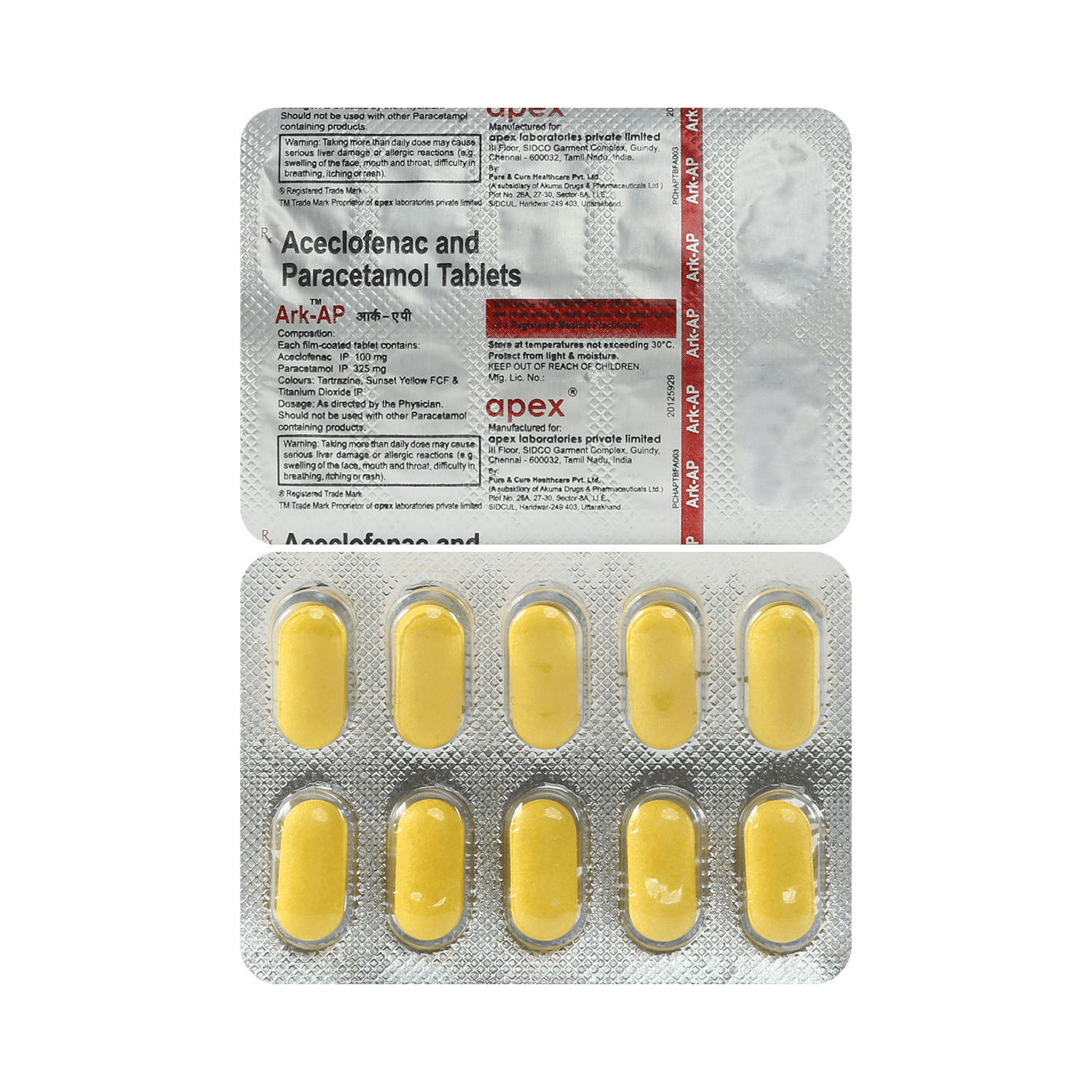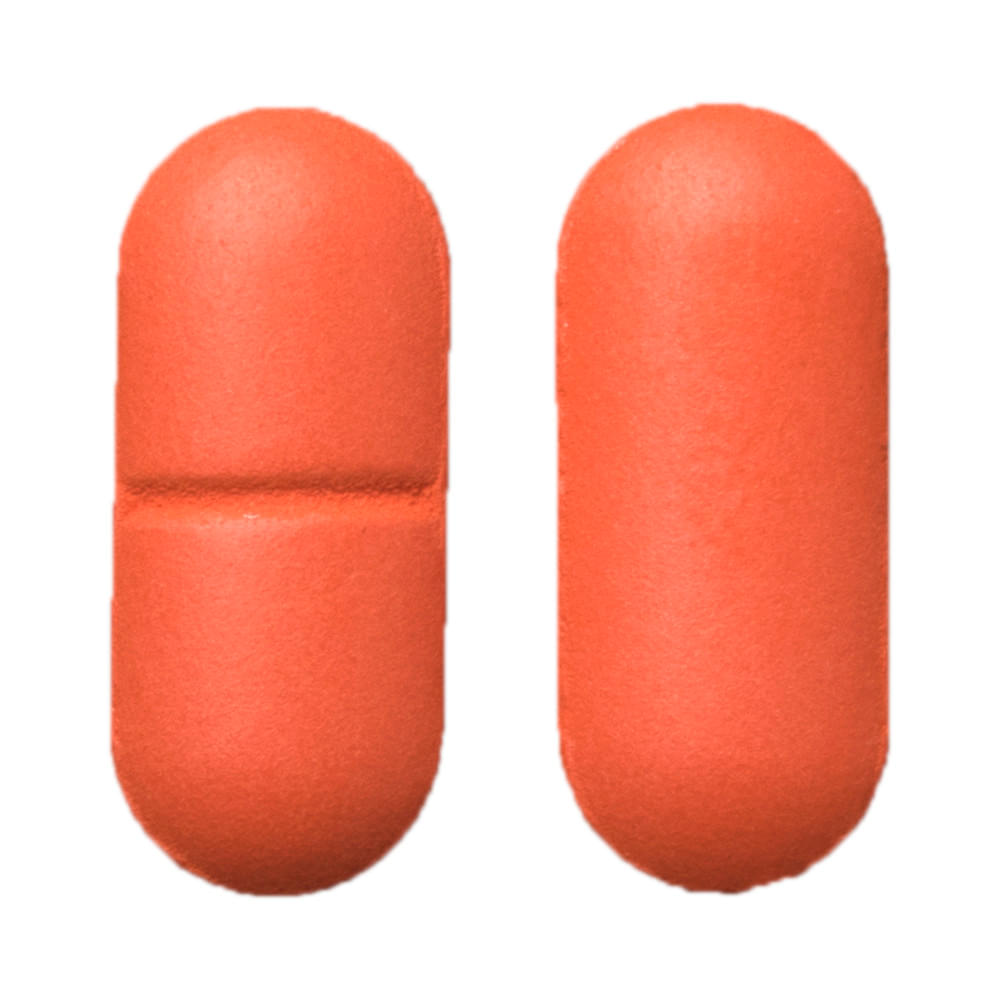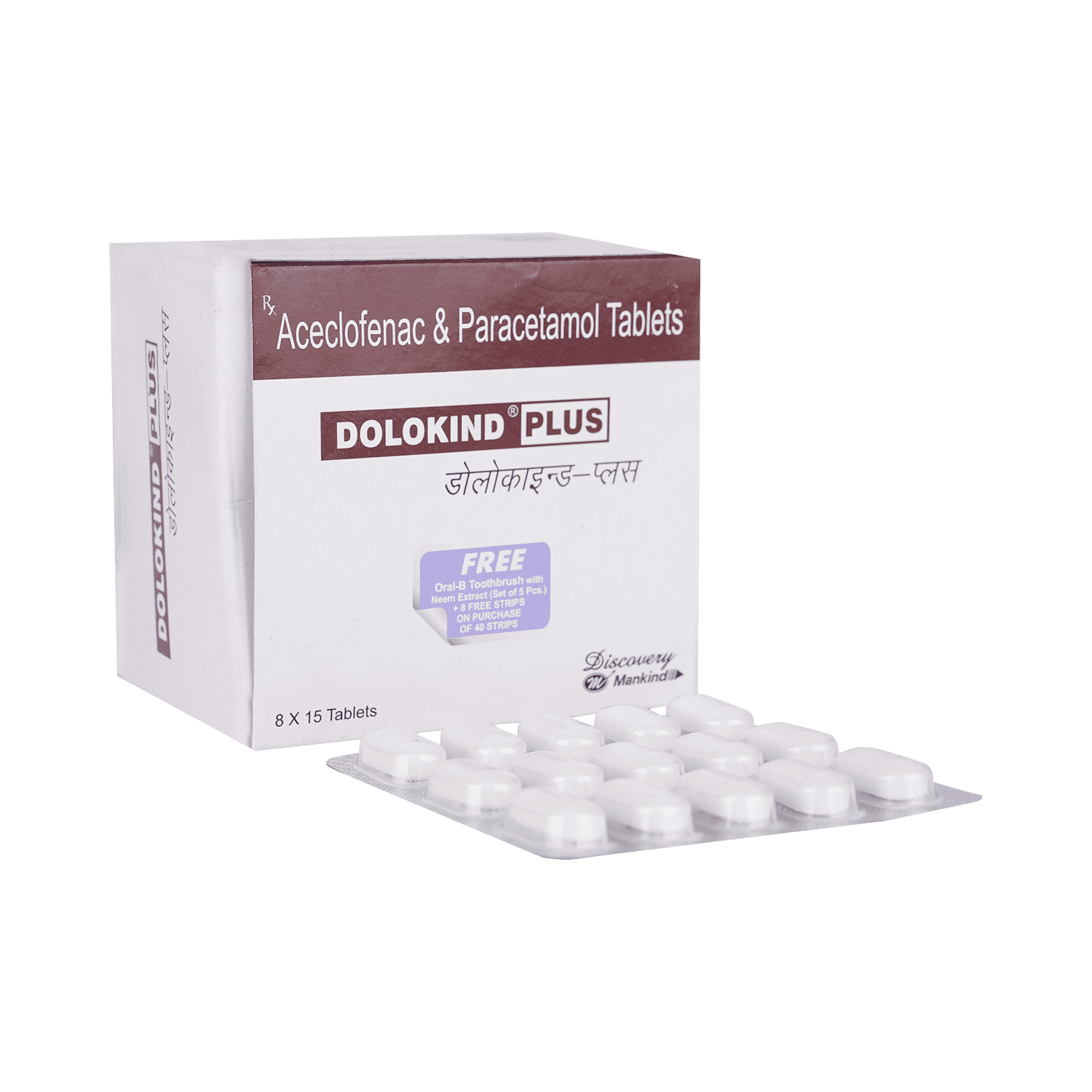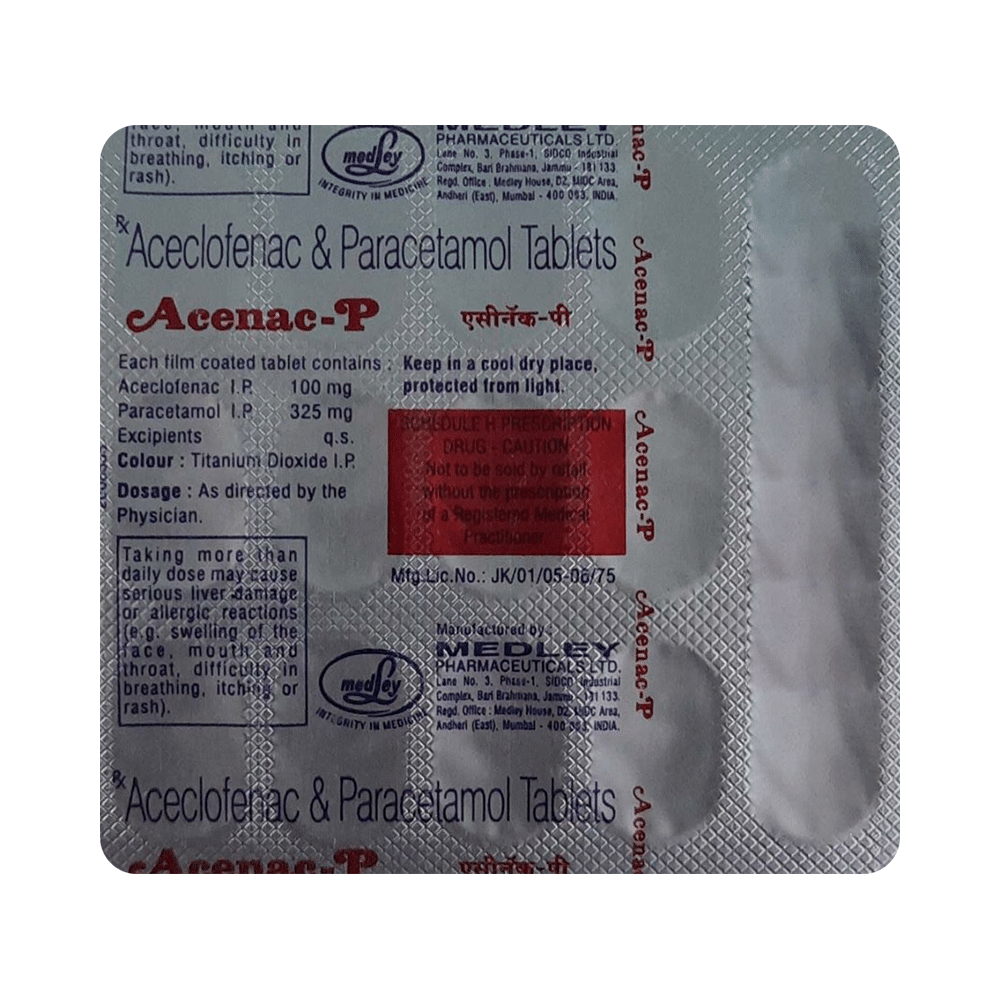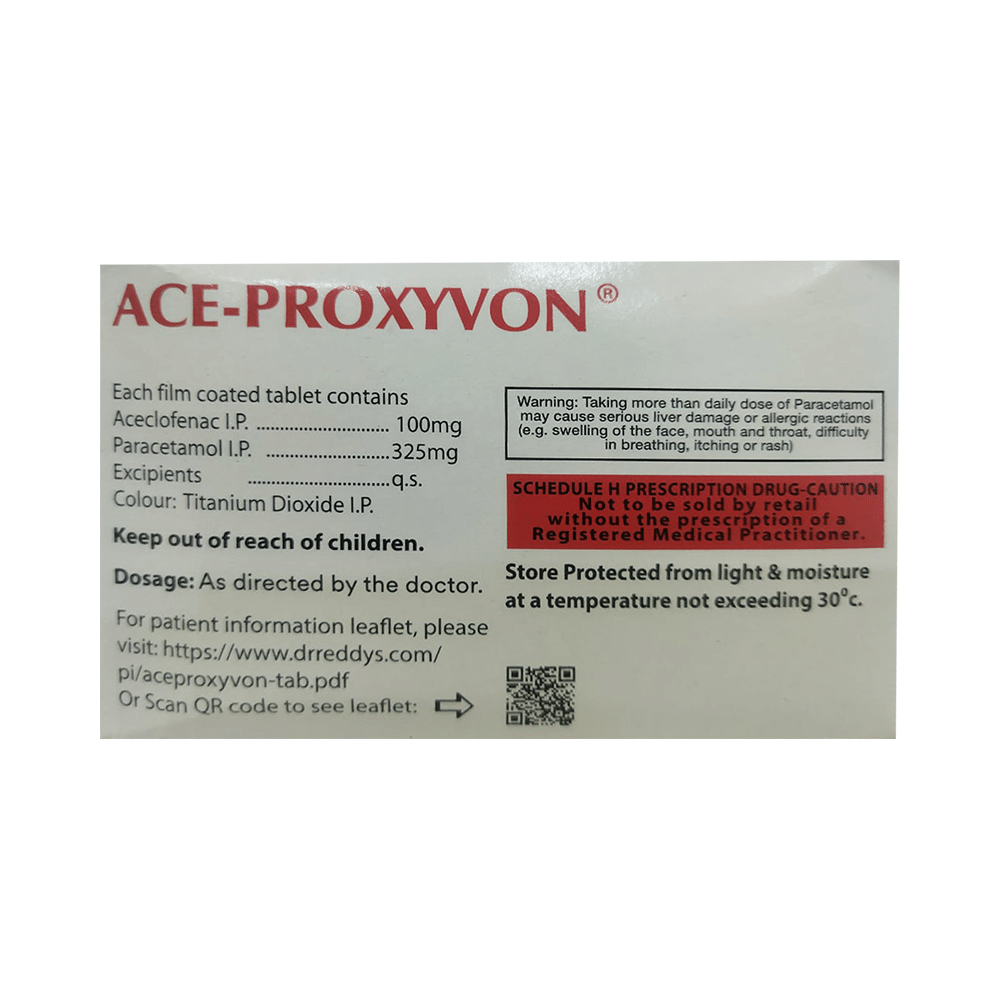
Aceclife-P Tablet
strip of 10.0 tablets.Prescription required
About this product:
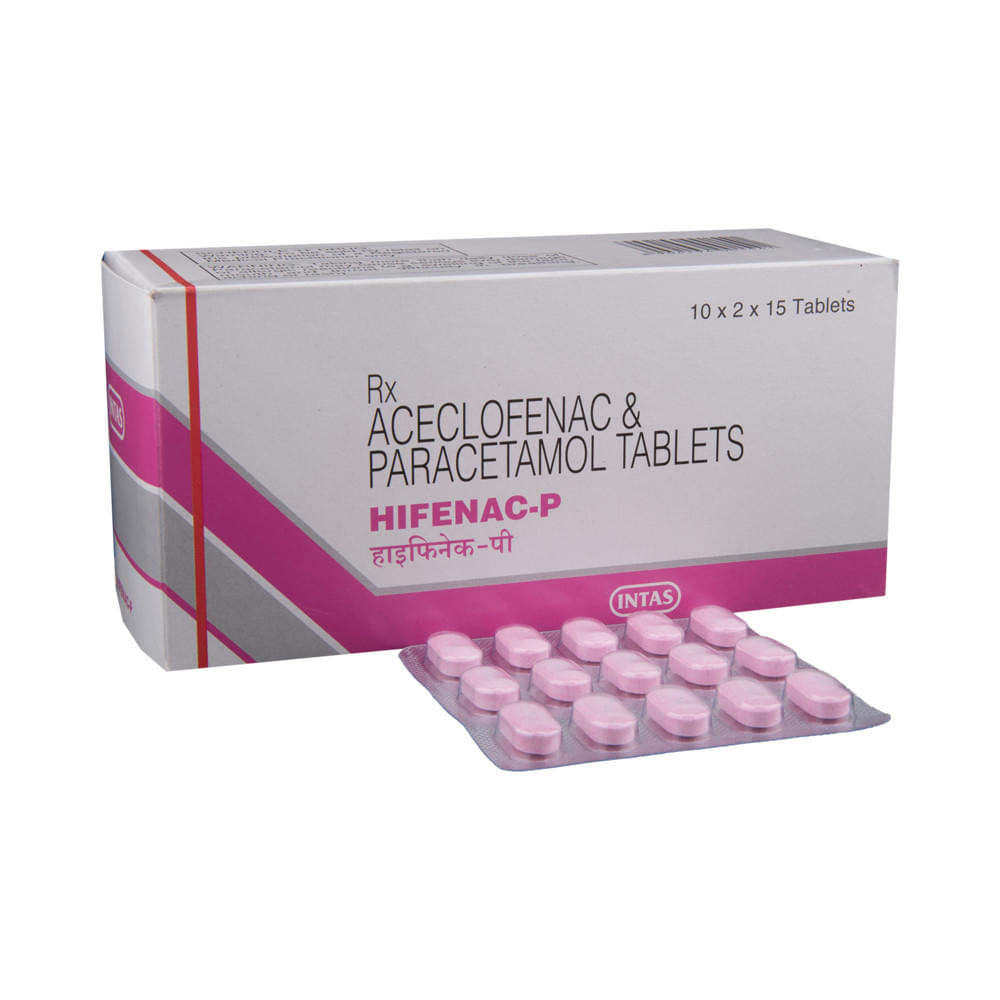
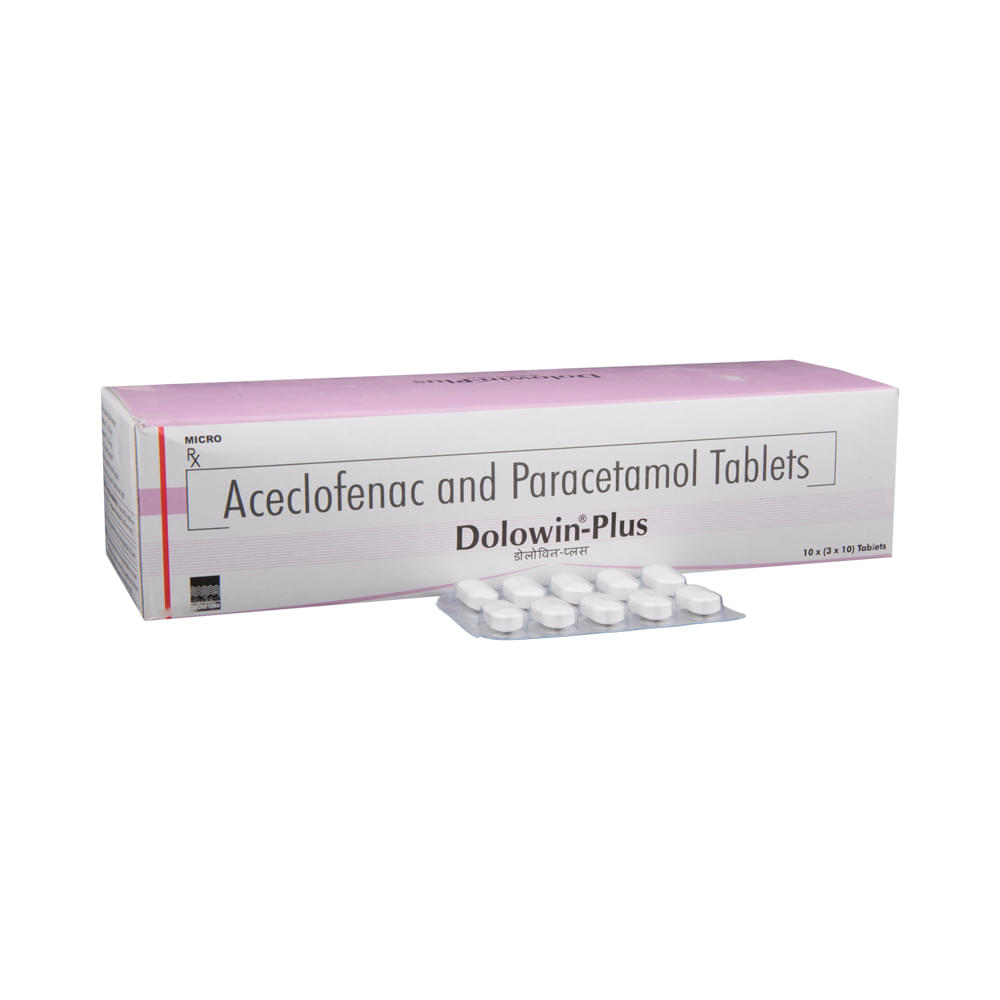
| Salt Composition: | Aceclofenac (100mg) + Paracetamol (325mg) |
| Manufacturer: | Lifeline Antidotes Pvt. Ltd. |
| Storage: | Below 25 degree celcius |
Out of Stock
Have doubts about this medicine?
Have doubts about this medicine?
Aceclife-P Tablet is a pain-relieving medicine used to reduce pain and inflammation in conditions like rheumatoid arthritis, ankylosing spondylitis, and osteoarthritis. Aceclife-P Tablet should be taken with or without food. You should take it regularly as advised by your doctor. Your doctor may change the dose and time between doses according to your pain level and your needs. Do not take more or use it for a longer duration than recommended by your doctor. Some of the common side effects of this medicine include nausea, vomiting, stomach pain, loss of appetite, heartburn, and diarrhea. If any of these side effects bother you or do not go away with time, you should let your doctor know. Your doctor may help you with ways to reduce or prevent these side effects by prescribing an alternative medicine or adjusting the dose. Aceclife-P Tablet may not be suitable for everybody. Before taking it, let your doctor know if you have any problems with your heart, kidneys, liver, or have stomach ulcers. To make sure it is safe for you, let your doctor know about all the other medicines you are taking. Pregnant and breastfeeding mothers should first consult their doctors before using Aceclife-P Tablet.
Aceclife-P Tablet is a combination of two medicines: Aceclofenac and Paracetamol. These medicines work by blocking the action of chemical messengers responsible for pain, fever and inflammation (redness and swelling).
What is Aceclife-P Tablet?
Aceclife-P Tablet contains two active ingredients: aceclofenac and paracetamol. It helps relieve pain and inflammation by lowering the levels of chemical substances in the body that contribute to these symptoms.
Is Aceclife-P Tablet safe to use?
Aceclife-P Tablet is generally safe for most patients. However, some individuals might experience side effects like nausea, vomiting, stomach pain, heartburn, diarrhea, and other less common and rare adverse events.
Can I stop taking Aceclife-P Tablet when my pain is relieved?
If you are using the medication for long-term pain, your doctor may recommend continuing it for as long as necessary. If you are only taking it for short-term pain relief, you can consult with your doctor to discontinue the medication.
Can Aceclife-P Tablet cause nausea and vomiting?
Yes, Aceclife-P Tablet may cause nausea and vomiting. Taking it with milk or food can help prevent these side effects. Avoid taking fatty or fried foods alongside this medication. If you experience vomiting, drink plenty of water or other fluids in small doses. It is important to talk to your doctor if you continue to experience vomiting and notice signs of dehydration such as dark-colored urine and low urine frequency.
Can Aceclife-P Tablet cause dizziness?
Yes, Aceclife-P Tablet can cause dizziness (feeling faint, weak, unsteady or lightheaded) in some patients. If you feel dizzy, it is best to rest and resume the medication only when you feel better.
Are there any contraindications associated with Aceclife-P Tablet?
Aceclife-P Tablet should not be taken by people with known allergies to its components or excipients, or those allergic to other painkillers. It is particularly important to avoid using this medication in patients with a history of stomach ulcers, active or recurrent ulcer/bleeding, high blood pressure, kidney disease or liver disease.
Can Aceclife-P Tablet be taken with vitamin B-complex?
Yes, Aceclife-P Tablet can be taken with vitamin B-complex preparations. While Aceclife-P helps relieve pain, vitamin B-complex may help correct any vitamin deficiencies that might contribute to the underlying painful condition.
Is Aceclife-P Tablet helpful for stomach pain?
No, Aceclife-P Tablet should not be used for stomach pain without consulting a doctor. This medication may increase gastric acid secretion, which could worsen an underlying condition.
Can the use of Aceclife-P Tablet cause kidney damage?
Yes, long-term use of Aceclife-P Tablet can potentially damage kidneys. It affects how prostaglandins work in the body, which helps prevent inflammation and pain. Prostaglandins are chemicals that help protect against kidney problems, but their presence can also increase blood pressure. This is why long-term use of this medication can be a risk factor for kidney disease.
What are the instructions for storing and disposing of Aceclife-P Tablet?
Store Aceclife-P Tablet in its original container or pack, tightly sealed. Follow the storage instructions on the label. Dispose of unused medicine properly and ensure it is not available to pets, children, and other individuals.
How long does it take for Aceclife-P Tablet to show results?
You may notice a change in pain levels within 1.5 to 3 hours after taking Aceclife-P tablet orally. However, the time needed for noticeable effects varies from person to person.
What is the dosage of Aceclife-P Tablet?
Typically, you take one tablet of Aceclife-P twice a day or as directed by your doctor. Always follow your doctor's instructions regarding medication use.
Can I take Aceclife-P Tablet with other painkiller tablets?
No, it is not advisable to combine Aceclife-P Tablet with other painkillers without consulting your doctor. This could potentially lead to unwanted side effects like stomach pain or ulcers.
Can Aceclife-P Tablet be given to children?
No, Aceclife-P Tablet is not recommended for use in children under the age of 18 years.
Take this medicine in the dose and duration as advised by your doctor. Swallow it as a whole. Do not chew, crush or break it. Aceclife-P Tablet may be taken with or without food but it is better to take it at a fixed time.
- Take Aceclife-P Tablet with food to avoid getting an upset stomach
- Do not take Aceclife-P Tablet with any other medicine containing paracetamol (drugs for pain/fever or cough-and-cold) without asking your doctor first
- It may cause dizziness and sleepiness. Do not drive or do anything that requires mental focus until you know how it affects you
- Avoid consuming alcohol when taking Aceclife-P Tablet as it may cause excessive drowsiness and increase the risk of liver damage
- In case of muscle pain, your doctor might advise you to undergo physiotherapy to get relief along with taking Aceclife-P Tablet
- Inform your doctor if you have a history of stomach ulcers before taking this medicine
- Nausea
- Vomiting
- Stomach pain
- Loss of appetite
- Heartburn
- Diarrhea

Alcohol
It is unsafe to consume alcohol with Aceclife-P Tablet.

Breastfeed
Information regarding the use of Aceclife-P Tablet during breastfeeding is not available. Please consult your doctor.

Pregnancy
Aceclife-P Tablet may be unsafe to use during pregnancy. Although there are limited studies in humans, animal studies have shown harmful effects on the developing baby. Your doctor will weigh the benefits and any potential risks before prescribing it to you. Please consult your doctor.